
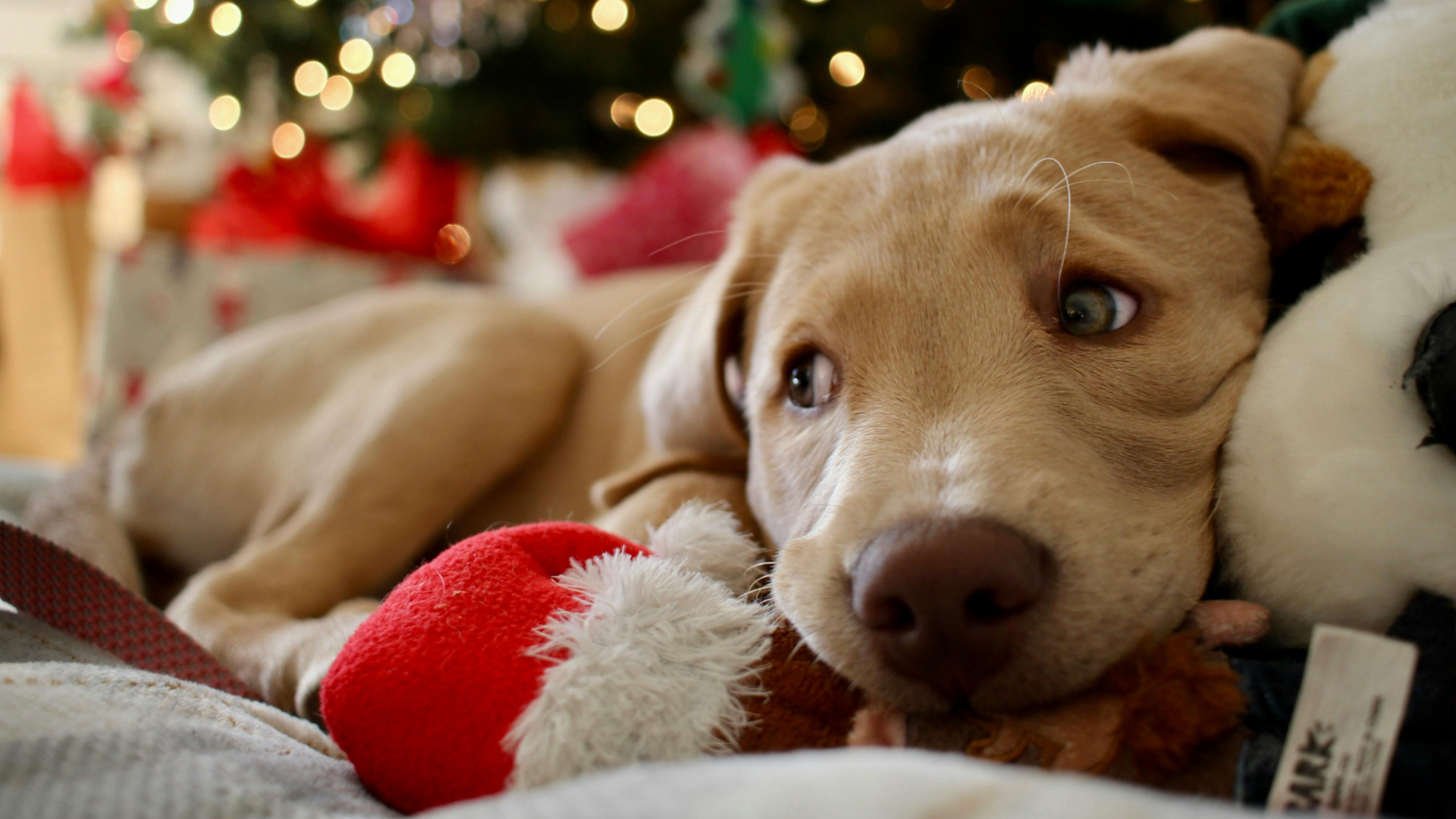
Families wanting to a puppy this holiday season need to understand and prepare for what that means, says accredited dog behaviourist, force-free trainer and author Sarah Rutten.
“Puppies are gorgeous, hilarious little chaos machines but they can also be a lot of work,” she says.
“When puppy guardians know what to expect, it can make Christmas and the months after so much easier.”
Rutten, who also runs a website, outlines some tips for those wanting to buy.
“Puppies aren’t just for Christmas, they’re for life,” she says.
“A little preparation now can set you up for a strong, lifelong bond with your dog.”
PUPPY TIPS
Her tips are:
- Give them downtime: all the excitement of the holiday season can be overwhelming for a puppy, Rutten says. “Puppies are leaving their mother and littermates for the first time. That alone is huge,” she says. “They need lots of rest, consistency and gentle structure. Make sure you provide them with a lot of downtime and a quiet space to rest, like a crate, in between all the fun.”
- Pick gifts that help: Rutten says some gifts can help to raise a puppy but others can do the opposite and highlights examples. Do buy: Chew toys for teething. Puppies bite because they’re teething, exploring, and developing jaw strength. “You shouldn’t prevent a puppy from biting,” Rutten explains. “You can only teach them what’s appropriate to bite by giving them things they are allowed to chew.” Toys like lick mats, snuffle mats and doggie puzzles can mentally stimulate your pup and help prevent boredom. Don’t buy: Rawhide chews (these can be a choking hazard, cause digestive blockages, and some may contain toxic chemicals) and toys with small buttons or embellishments that can easily become a choking hazard.
- Prepare your puppy now for post-holiday life: Even if you’re home more during the break, she says it’s important to gently teach your puppy that alone time is safe and normal. This helps prevent separation anxiety when everyone goes back to work. “Start with small moments of separation,” Sarah says. “Pop your puppy in their crate or playpen with a toy while you step into another room for a minute or two. Slowly build up the time. These small, positive experiences teach puppies that being alone isn’t scary — it’s just part of everyday life.”
- Start socialisation early: “It’s crucial to gradually introduce your puppy to the world and pair this with positive associations like treats and praise,” Rutten says. That includes progressively exposing your pup to other dogs, Santa costumes, visitors, kids, vet clinics and everyday sights and sounds. “The number of dogs terrified of Santa is phenomenal, which is honestly understandable considering he’s a stranger in a garish outfit,” she says. “If you’re taking your new puppy to get Santa photos, make these moments positive so you don’t end up with an anxious adult dog.”
- Seek support early: “There’s so much advice out there (online) about how to raise a puppy. Guardians deserve advice that makes sense, feels good to use, and actually helps their pup thrive,” she says.
MORE INFORMATION: Click here if you want to visit the RSPCA website
OTHER DOG NEWS: New off-leash areas for Queensland suburb




