
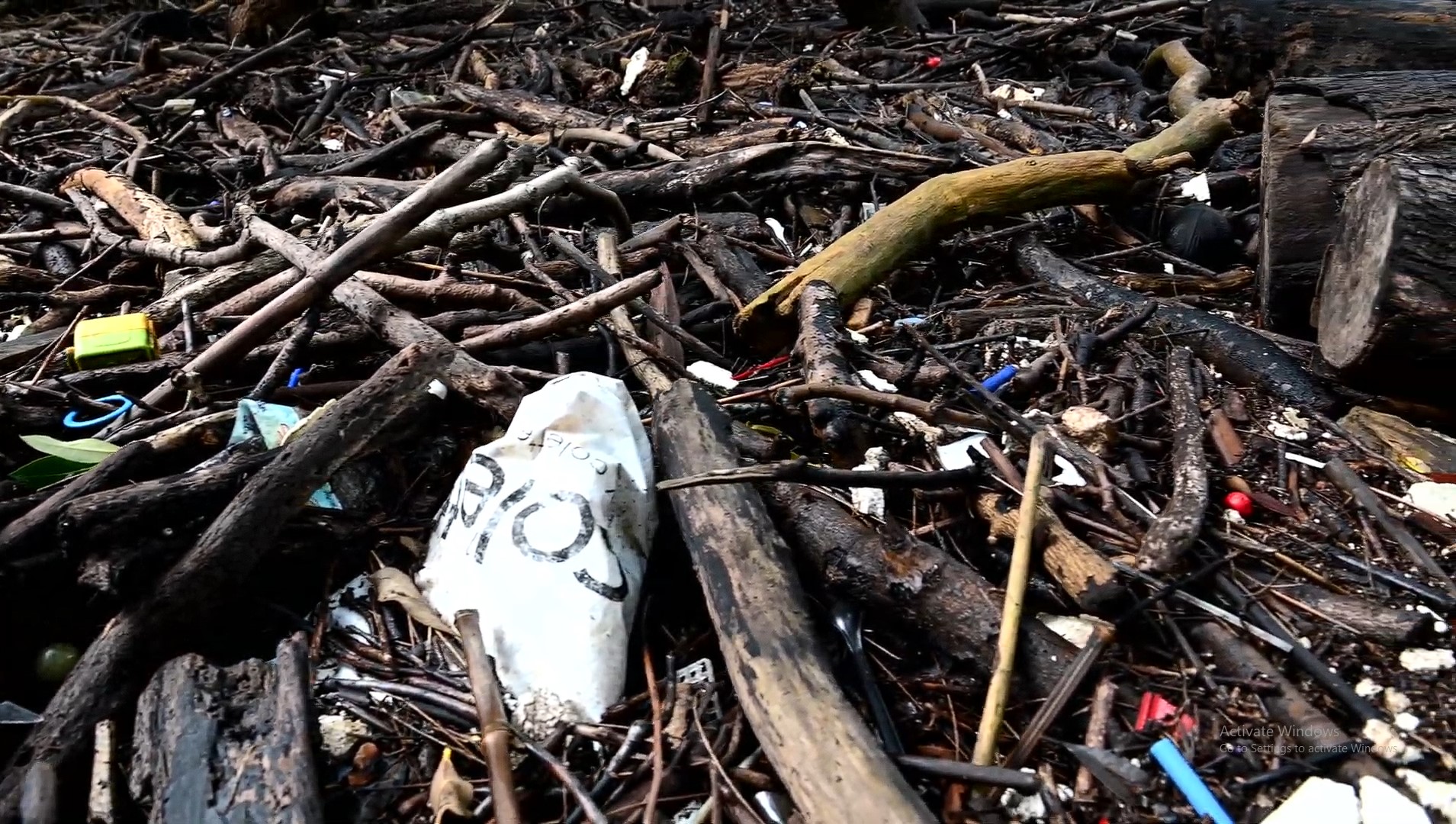
A new microplastics report identifies NSW’s Cooks River, Dee Why Lagoon, Muddy Creek and upper Parramatta River as the state’s most contaminated coastal waterways.
The NSW Environment Protection Authority (EPA) and NSW Department of Environment teamed up to produce a report on microplastic pollution.
The report ranks coastal waterways by microplastic concentration in the top 15 centimetres of surface water, from most to least contaminated.
The top 10 hotspots are: Cooks River, Dee Why Lagoon, Muddy and Toongabbie creeks (Upper Parramatta River), Throsby and Coffs creeks, South West Rocks Creek, Manly Lagoon, Parramatta River and Middle Harbour Creek.
The least contaminated are Myall Lake, Nadgee Lake, Middle Lagoon, Myall Broadwater and Wallaga Lake, on the state’s north and south coasts.
MICROPLASTICS THREAT
NSW EPA Chief Executive Tony Chappel says the results will help guide future work.
“Microplastics are one of the fastest-emerging threats to marine life and our environment, often washed from land into rivers then into the ocean through stormwater drains,” he says.
“For the first time, we’ve sampled 120 catchments from the Tweed to the Victorian border to identify the most affected sites, the types of microplastics present, and where we can make the greatest impact.
“Microplastics were detected in every waterway sampled, demonstrating the widespread nature of plastic contamination across urban, regional, and remote catchments.”
More than 31,000 particles were identified, including foam packaging and plastic pellets (also known as nurdles); the EPA says these are priority microplastics because they can be traced and stopped at the source.
Chappel says these findings will turn science into practical steps.
“Putting microplastics under the microscope gives us a clear indication on where targeting our efforts is needed,” he says.
“We’ll use this groundbreaking data to develop models of sources and pathways to better target preventable pollution, work with water managers on local solutions and strengthen policies that keep microplastics out of our ecosystems.
“One way we’ll do this is by mapping how litter flows through the Cooks River and Manly Lagoon – tracing plastic from our streets to the sea so we can pinpoint sources and pathways, and direct action where it counts.”
NSW is already chasing other measures to reduce plastic pollution including greater compliance on plastic bans, awareness campaigns and litter prevention grants.
The study took three years to compile and will be used to track how microplastics end up in waterways and where to focus further research.
To read the report, visit: https://www.epa.nsw.gov.au/broadscale-microplastics-assessment
MORE EPA NEWS: Illegal dumping in NSW declining




