
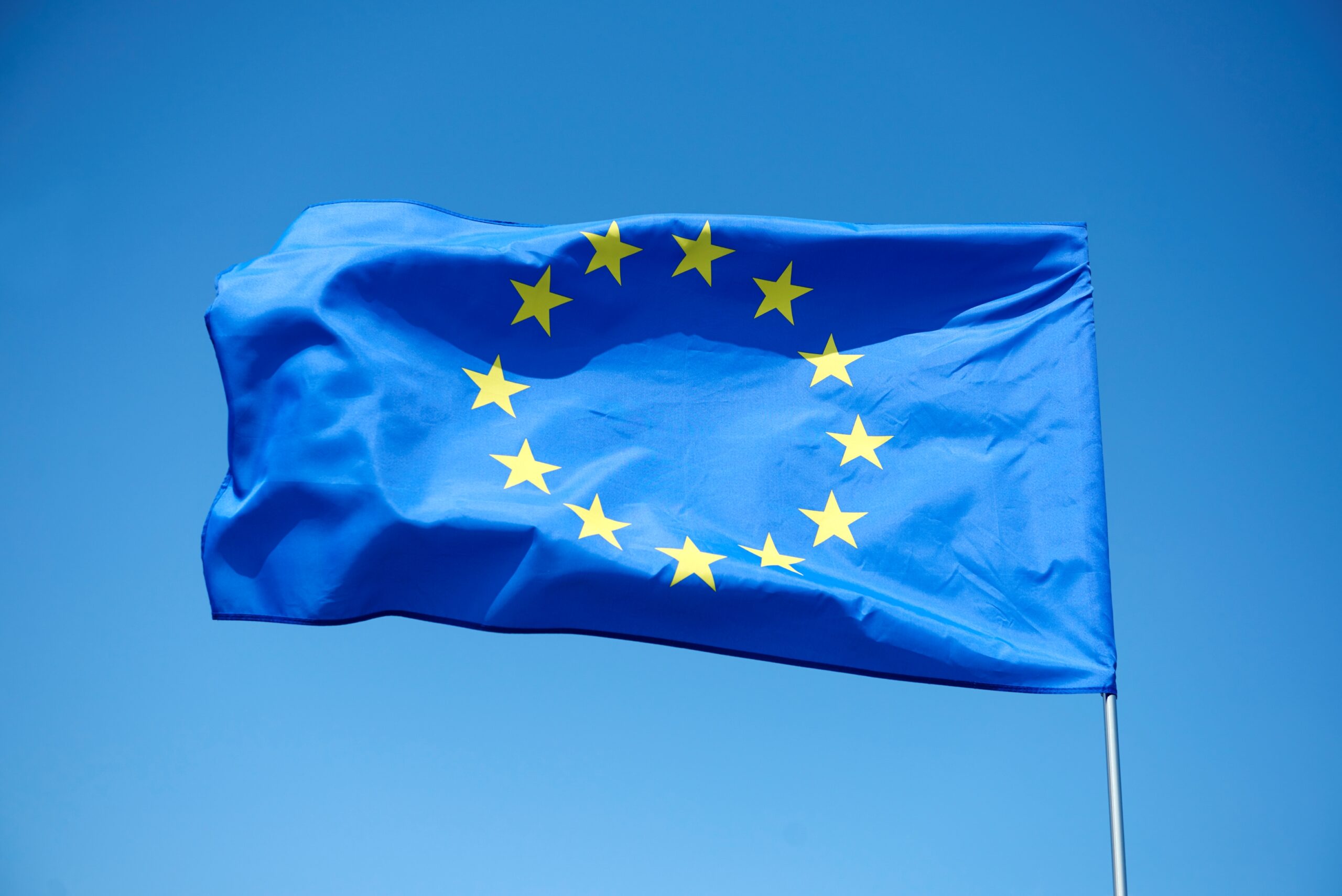
Europe and Australia have finally signed a free trade deal after eight years and a defence one as well.
The trade deal was signed today (Tuesday) in Canberra by European Commission (EC) President Ursula von der Leyen and Prime Minister Anthony Albanese; the defence deal was signed digitally by EC vice-president Kaja Kallas and Defence Minister Richard Marles.
The free trade agreement (FTA) will ease trade and investment barriers between Australia and the European Union (EU) market of around 450 million people.
It is expected to boost Australia’s GDP by $7.4 billion by 2030 and open this country’s exporters to a market worth $27.7 trillion, media reports say.
“This deal creates major new opportunities for Australian exporters in the European Union’s massive $30 trillion economy, and will reduce costs for Australian consumers,” Albanese says.
Trade Minister Don Farrell says the deal has been “hard-fought” but delivers “real” gains for Australian exporters into a market that has been “difficult” to enter or effectively closed for decades.
“The removal of EU tariffs on most exports gives Australian exporters the opportunity to diversify trade with 27 European countries and 450 million consumers,” he says.
“This is a strategically important and economically valuable agreement at a time when Australian exporters are navigating choppy trade waters.
“More trade, with more trading partners means more supply chain security, more well-paying jobs, cheaper prices, and more national income to build things like urgent care clinics and improve government services.”
On sensitive sectors like beef and sheep meats, sugar and rice, tariff free EU quotas will apply: for beef, it is 30,600 tonnes, for sheep and goat, it is 25,000 tonnes and for sugar, it is 35,000 tonnes.
The EU was Australia’s second largest source of foreign investment in 2024 ($869.3 billion), the government says.
FACTSHEET: Which sectors benefit and by how much
EUROPE’S VIEW
EC President von der Leyen says the EU and Australia are geographically far apart but are moving closer with the trade and defence deals.
“These agreements put in place lasting, trust-based structures to support peace and security through strength; driving prosperity through rules-based trade, and working together to uphold global institutions,” she says.
“We are sending a strong signal to the rest of the world that
friendship and co-operation is what matters most in times of turbulence.”
They expect exports to grow up to 33% over the next decade and reach up to €17.7 (A$29.3) billion annually; sectors marked for strong growth include dairy (expected to increase by up to 48%) motor vehicles (52%), and chemicals (20%).
EU investment into Australia has the potential to grow by over 87%, it says.
On defence, the EU and Australia have agreed to more training exercises and co-operation in areas like maritime, cyber security, space security and artificial intelligence.
WHAT THE TRADE DEAL MEANS
98% of Australia’s current exports to the EU will be duty free; almost all tariffs on Australia produce like wine, nuts, fruit and vegetables, honey, olive oil, most dairy products, wheat and barley, and seafood will be lifted. (For example, Australian wine exporters will benefit by about $37 million annually from the removal of import tariffs.)
For other agricultural exports, new or expanded tariff rate quotas will apply. This covers beef and sheep meat, sugar, rice, wheat gluten, skimmed milk powder and natural butter exports to Europe.
About 99% of Australian tariffs will lift on EU imports like wine, spirits, biscuits, chocolates and pasta, cars and machinery.
Domestic naming rights for produce like parmesan, kransky and Prosecco has been protected but lengthy phase-outs will apply to certain terms such as Feta, Romano and Gruyere.
Almost all Australian goods and minerals to the EU will face zero import tariffs such as critical minerals and hydrogen supplies.
Australian companies, including small and medium-sized enterprises (SMEs), will have better access to bid for European government contracts, worth around $845 billion annually, including for rail and construction while EU companies will also be able to bid for contracts Down Under.
Two-way service provision access will ease as will work visa access and EU recognition of Australian qualifications. Source: Prime Minister’s Office.
RELATED EU STORY: Germany eyes critical minerals in EU deal




