
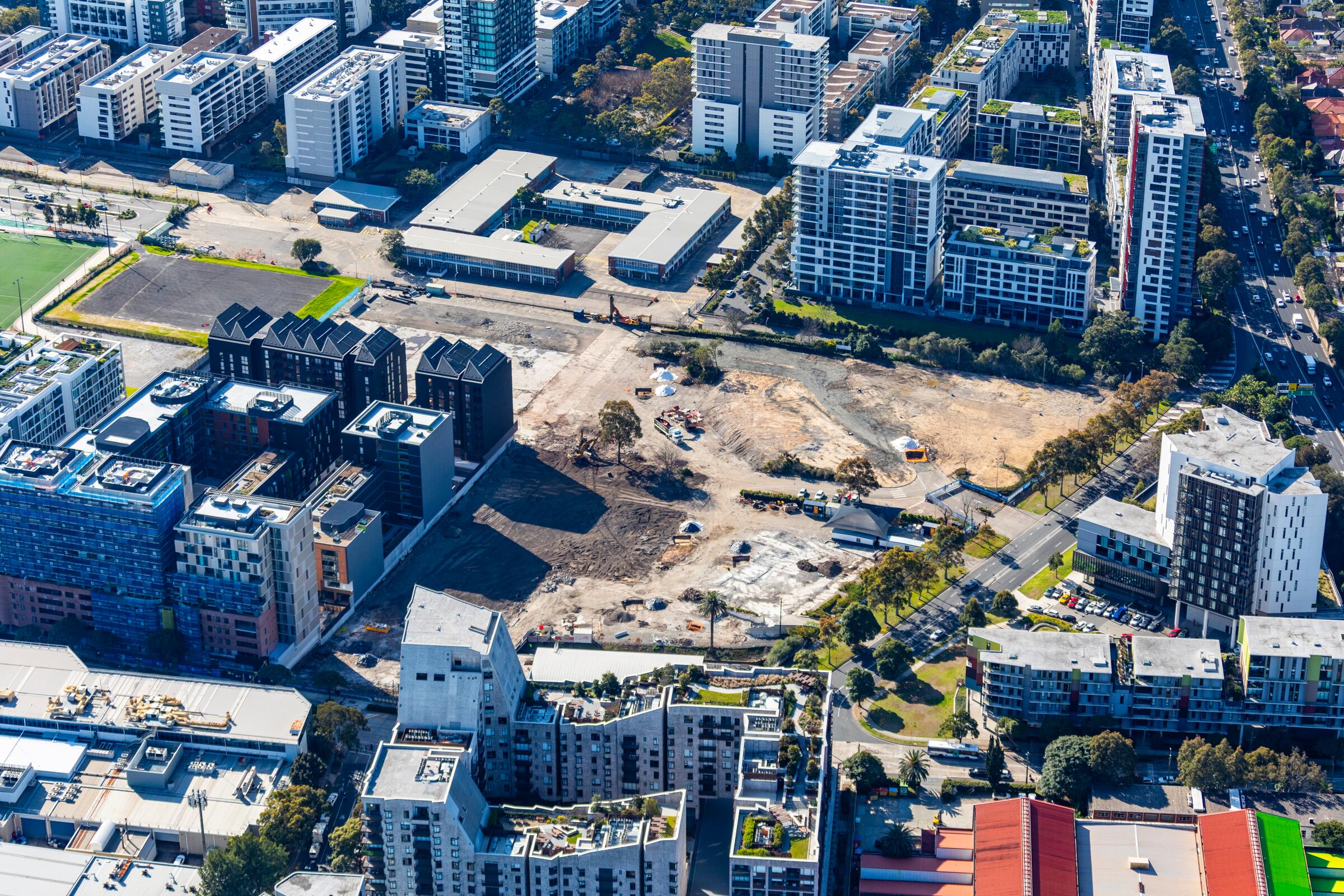
Sydney City Council wants to talk housing as it eyes laneways, reclaimed industrial sites and main streets for more homes.
Council has released a new discussion paper on housing for public debate and Lord Mayor Clover Moore says it asks three main questions that they want residents to answer.
She says they want to hear ideas about more potential sites, what the state government can do to help and the different kinds of housing that will be needed; the paper is open for public comment until May 22.
“The NSW Government’s draft Sydney Plan sets out a clear expectation that councils should be reviewing their planning controls to ensure there is additional capacity to increase private housing development,” she says.
“Our discussion paper will help lead a conversation about what type of housing is needed, where it can be delivered and what infrastructure is necessary to ensure successful communities.
“Our planners believe that through zoning changes, increased building densities or heights, and incentives for more homes in strategic locations, we could create space for thousands of new homes, on top of existing zoned capacity.”
TOP 10 SYDNEY SITES
The discussion paper identifies 10 locations across the city. These are:
Ultimo and Pyrmont.
North Green Square precinct (Green Square and Waterloo).
Prince Alfred Park east.
Supa Centre site renewal (next to the future public Moore Park).
Broadway (above businesses).
Parramatta Road at Forest Lodge (former industrial sites).
Beaconsfield.
High streets (main commercial streets).
Parkside (next to parks).
Laneways (involving ‘compact’ homes).
Sydney City Council says that since June 2004, over 66,000 new homes were approved; they say they met 77% of a previous government housing target just nine years into a 20-year timeframe with nearly 18,000 new homes in the development pipeline.
“Maintaining local planning control is essential to ensure growth aligns with community needs, deliver genuine affordability and avoid ad-hoc, developer-led outcomes,” Moore says in reference in government efforts in fast-tracking planning approvals.
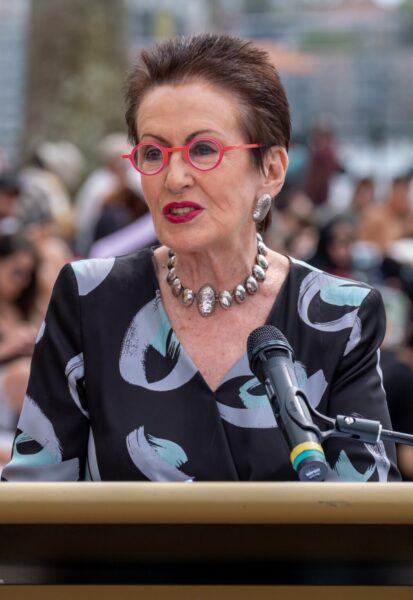
“Broadbrush approaches to rezoning and arbitrary targets aren’t as effective in the long-term as collaborative solutions; planning that works with, not separate from, local government,” she says.
The Lord Mayor also points out that more new homes could be built on vacant or underused state sites around Sydney.
“It is critical that the government provides the infrastructure to support growth, and that it looks at its own sites suitable for housing in our area, including vacant and under-utilised Transport for NSW land,” she says.
Moore points to sites such as the North Eveleigh precinct, Central station precinct and Explorer Street as examples of land suited for more housing.
She also says that while having more residential zones will help greatly in building new housing, more needs to be done.
“While we have some of the fastest application processing times in NSW, we continue to streamline our planning and assessment to ensure proposals for new housing are quickly approved and ready to be built when the market enables it,” she says.
“We have over 10,000 private and non-private dwellings approved but not yet built; our existing planning controls have capacity for over 50,000 new homes if they were all to be taken up.”
She says this shortage is due to wider supply issues facing the industry: “This hints at the larger problem hampering housing delivery which is that, even with planning approvals, the construction industry faces rising costs, a shortage of labour and materials, financial constraints and higher interest rates.”
The Lord Mayor of Sydney says their discussion paper also flags the need for more (affordable and social) rental housing.
“We can’t just rezone land for private development and hope some of it will be affordable or expect the private sector to address these diverse needs,” she says.
“We need targeted government investment in affordable and diverse housing.
“When developers contribute to affordable housing in exchange for additional height and floor space, (Sydney) City’s definition where rent is capped at 30% gross household income in perpetuity should be applied, not the state government’s current definition of 20% below market rates, which are still wildly unaffordable, and expires in 15 years.”
More information on the plans, and upcoming workshops and information sessions, can be found here.
OTHER COUNCIL NEWS: Pushing to electrify all new commercial buildings




