
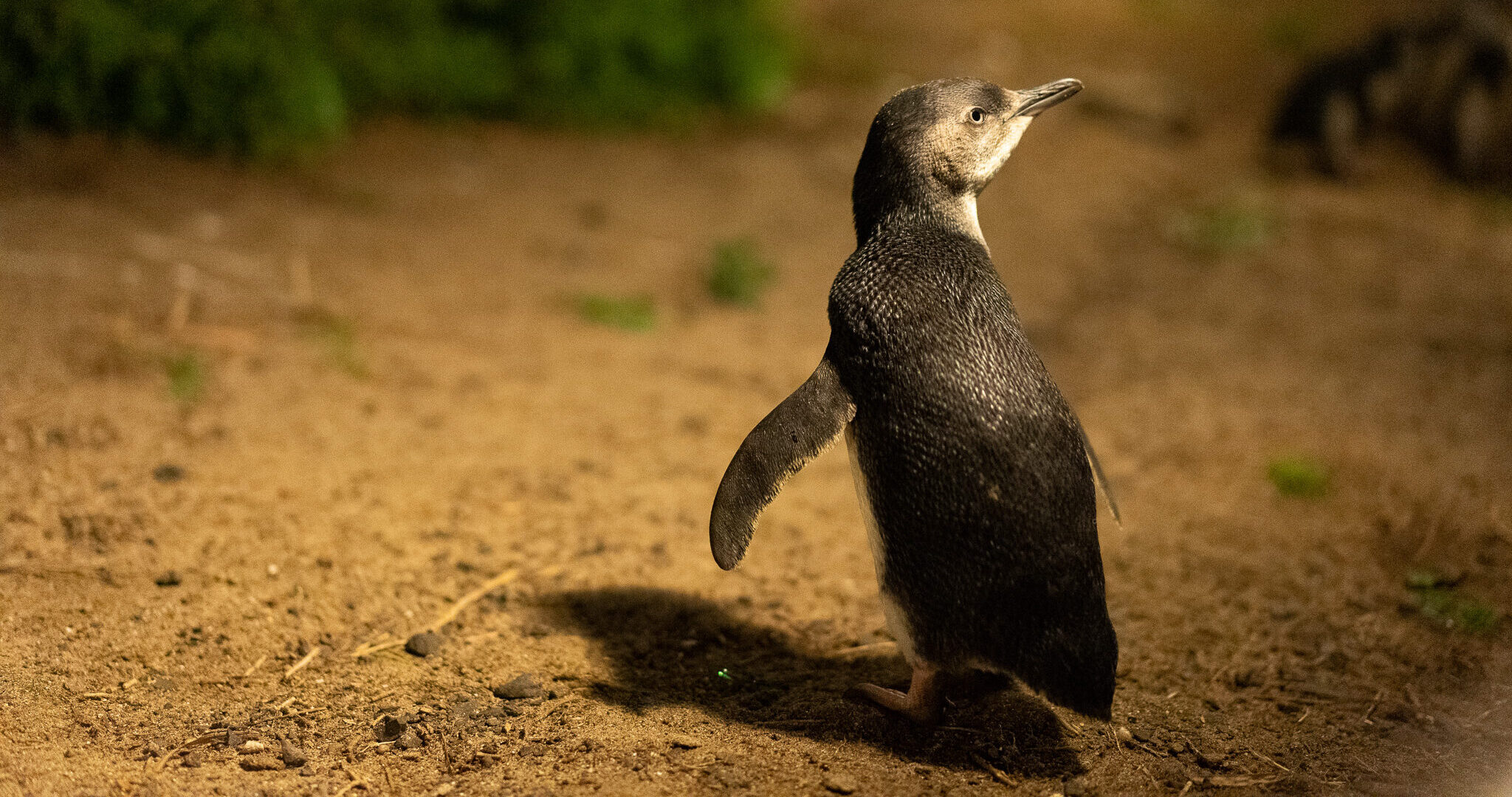
Bird flu vaccines for Phillip Island and St Kilda’s 5000-strong Little penguin population have arrived, the Victorian government says.
Doses have arrived at the island and are ready to be administered early next week if given regulatory clearance, the state government says.
It says while vaccinating wild birds requires each bird be caught twice to receive two doses, Little penguins usually return to the same colonies and burrows.
The H5 avian influenza vaccination rollout will prioritise vulnerable species in captivity, including at zoos.
The state government says new cases have been detected in wild birds (mainly in greater crested terns) at Phillip Island, Mildura, Warrnambool, Hamilton, St Andrews Beach and Hawkesdale.
The virus has not been detected in Little penguins to date.
BIRD FLU PRECAUTIONS IN PLACE
Environment Minister Jaclyn Symes says they can’t stop the virus from spreading but they can “take practical steps” to protect vulnerable species like Little penguins.
“Vaccination is one response measure, alongside strong biosecurity and surveillance, that can help manage the impact on our wildlife,” she says.
According to Agriculture Minister Julie Collins says more than more than $113 million has been spent on defending against the virus including nearly $2m on vaccines and trials.
Phillip Island Nature Parks CEO Catherine Basterfield says she believes the vaccination program will be the world’s largest involving wild birds.
“We are … building knowledge that could help protect Little penguins and strengthen wildlife disease preparedness in Australia and internationally.”
The state government will also spend $500,000 on personal protective equipment, advice and access to quarantine facilities for volunteers and organisations.
Half will go to frontline rescuers and shelters, and the balance for Wildlife Victoria which will boost its emergency response service.
It will provide H5 bird flu advice for wildlife rehabilitators, support testing and sampling, and supply PPE.
Symes has message for those who find sick or dead wildlife.
“Early reporting makes a real difference. If you come across sick or dead wildlife, don’t touch it – report it.” Record the location and report it to the Emergency Animal Disease Hotline on 1800 675 888.
NSW CONFIRMS CASES
Another two cases of H5 avian influenza (bird flu) have been identified in NSW, the state government says.
Tests on two dead greater crested terns, near Narooma on the south coast and the other near Wentworth in western NSW, tested positive at CSIRO’s Australian Centre for Disease Preparedness.
This is the first time an Australian native bird has tested positive for H5 bird flu in NSW, raising the total cases to four birds; the first two were migratory petrel birds found near Port Stephens in early July.
No cases have been found in poultry and the risk to humans remains low, the NSW Government says.
The NSW Emergency Animal Disease Hotline says it has received more than 3558 calls since the state’s response to the bird flu outbreak began in June.
NSW Environment Minister Penny Sharpe says the cases were “not unexpected”.
“We have been preparing for a situation like this. We remain well equipped to respond to manage further impacts.”
Agriculture Minister Tara Moriarty says they are working with the poultry industry to strengthen biosecurity.
“While there have been no detections in poultry in NSW, the poultry industry has been preparing for this and is across the risks and actions required at this point,” she says.
CASES UPDATED: Australia now has 231 confirmed cases of H5 bird flu, the federal department of agriculture says: 11 new cases were reported in South Australia on Monday, all in wild seabirds on the Limestone Coast (Carpenter Rocks, Port MacDonnell and Beachport), Kangaroo Island (D’Estrees Bay and Seal Bay), Port Vincent on the Yorke Peninsula and at Glenelg, Adelaide.
RELATED STORIES




