
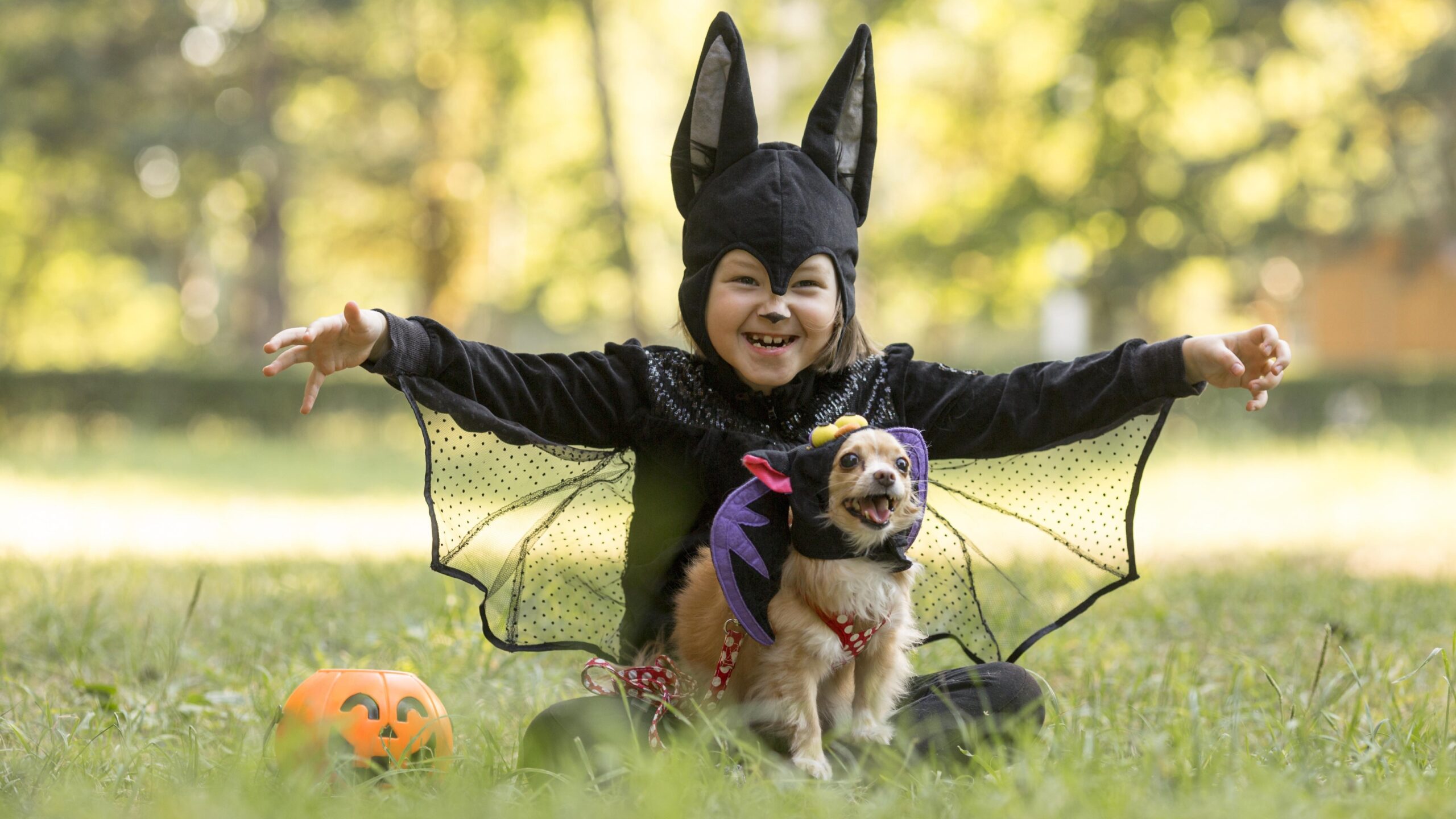
The RSPCA says that with Halloween looming on Saturday, the safety and welfare of pets and wildlife needs to be kept in mind.
The Society says the risks that decorations, costumes and treats poses to animals can be easily managed or eliminated.
RSPCA Australia Chief Science Officer, Dr Suzie Fowler, says: “The main risks to our native animals come from things like getting entangled in spider web decorations, ingesting lollies or chocolates, or their wrappers, and fires caused by unattended candles in pumpkins.
“The risks to our pets are a little different,” she adds.
“Our cats and dogs can be spooked by Halloween decorations and some are uncomfortable being forced into costumes – a little like some humans!
“Other things to watch out for with our pets are making sure they can’t get stuck into our Halloween treats, especially chocolate. Chocolate contains theobromine, which is toxic to dogs and other animals.”
According to Brad Smith, CEO of RSPCA Pet Insurance, claims data shows how quickly an accidental ingestion can become a serious and costly veterinary emergency.
In the past 12 months, poisoning and toxicity claims rose 36.4% compared to the previous year.
“We are seeing more poisoning and accidental ingestion claims, and the consequences can be significant for both pets and their owners,” Smith says.
“Halloween is a timely reminder to take a fresh look at what pets can access around the home, particularly when chocolate, treats, wrappers and unfamiliar items are more readily available.”
“We’ve seen a foreign-object ingestion claim involving a cat reach $14,474 but most Halloween hazards are preventable,” he says.
RSPCA TIPS FOR ANIMAL SAFETY
RSPCA Australia’s advice to keep our animals safe this Halloween:
ENTANGLEMENT
- Fake spider webs can become deadly traps for birds, bats and other wildlife; infant birds are particularly vulnerable during the Spring nesting season.
- Fishing line, string, rope, cotton wool, balloons, tree netting and tinsel can also entangle or be swallowed by native animals.
- If you find entangled wildlife, contact your local wildlife rescue organisation immediately rather than attempting a rescue that could cause further harm.
FOOD/PACKAGING
- Keep chocolates and lollies away from wildlife and pets; foods that are safe for people can be harmful or deadly to animals.
- Chocolate contains theobromine, which is fatal to dogs, and can poison cats and other animals.
- If your pet eats chocolate, contact a veterinarian immediately; prompt treatment gives them the best chance of recovery.
- Discarded wrappers, plastic debris and small decorations can become choking or ingestion hazards for wildlife and companion animals.
- Choose natural decorations where possible and dispose of wrappers, ornaments and pumpkins properly and promptly after Halloween.
DECORATIONS/COSTUMES
- Spooky decorations that seem entertaining to people can appear large, unfamiliar and threatening to pets. Move or remove any decoration that causes them discomfort as every animal will respond differently.
- Before you dress a pet up for Halloween, consider whether the experience is enjoyable for the animal rather than simply entertaining for people.
- Pets in costumes must be closely supervised and remain dressed for a short period. Remove a costume immediately if a pet freezes, struggles to move, tries to escape it or shows signs of discomfort such as panting.
- If there is any doubt about whether a pet is comfortable in a costume, the safest choice is to leave it off.
- A festive collar, harness or bandana may be more comfortable for dogs while cats generally should not be dressed in costumes.
FIRE/LIGHTING
- Candles can ignite costumes and decorations so use battery-operated tealights instead.
- Bright and extensive lights can disrupt wildlife. To reduce the impact, choose warm-coloured lights, place them indoors and switch them off before bed.
- Avoid placing lights in trees where they can disturb animals that rely on branches and foliage for shelter and safety. Source: RSPCA Australia




