
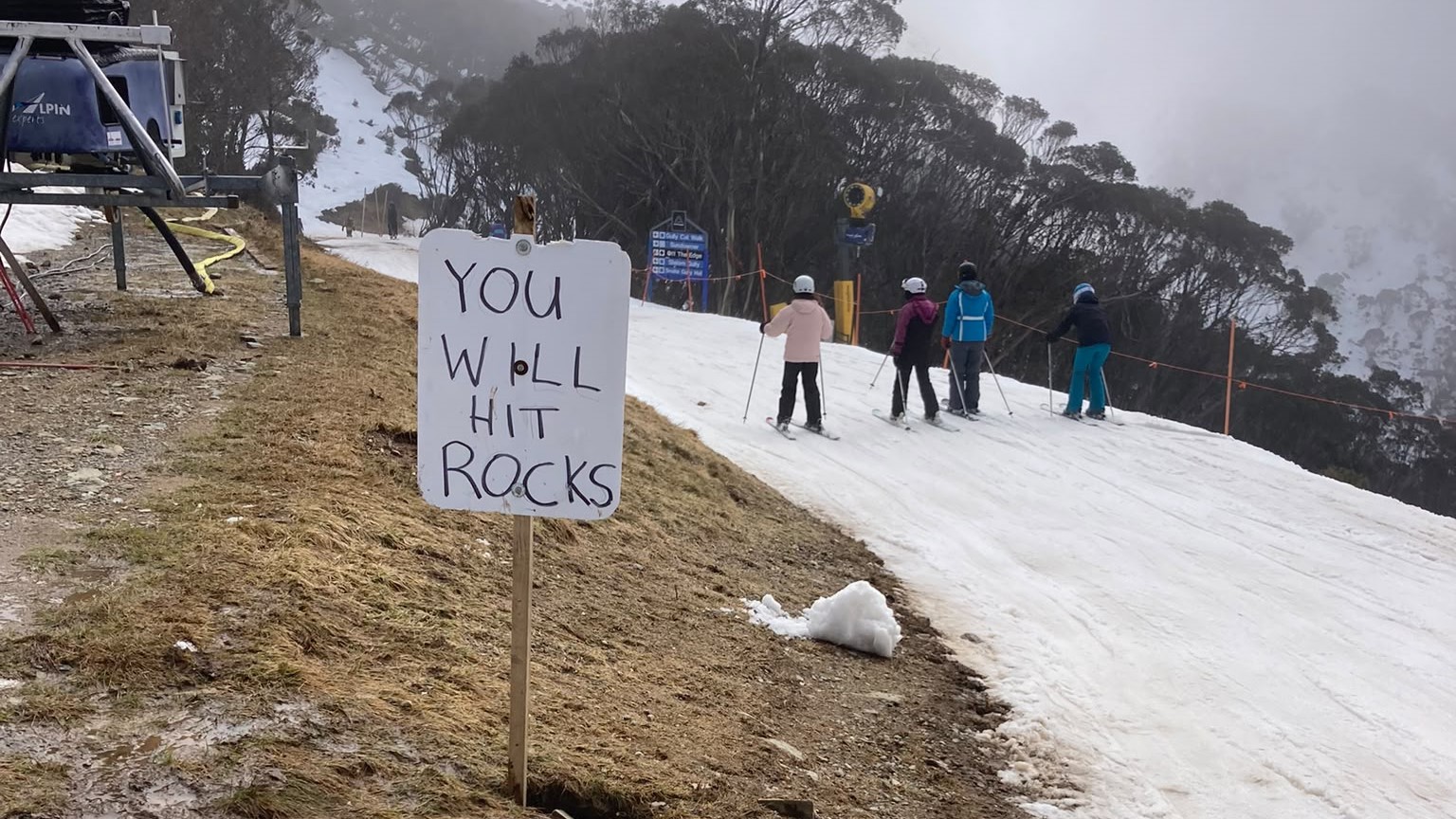
Poor snowfall in 2026 is forcing Winter Olympians to train overseas as the ski season ends early for some alpine resorts, says a winter alliance.
Jackson Harvey is a freestyle mogul skier, 2026 Olympian and a member of the Protect Our Winters Australia (POW) alliance of scientists, businesses and ski enthusiasts.
“Our national teams were able to train on world class snow facilities but only for a very short time compared to a typical domestic season, which forces athletes to make challenging adjustments to seek other training opportunities,” he says.
Australia had its most successful winter Olympics in Italy with three gold, two silver and one bronze medals.
“Our alpine communities are relying on us all to get our act together and make meaningful decisions that put our climate first.”
POOR SEASON SPELLS POOR BUSINESS
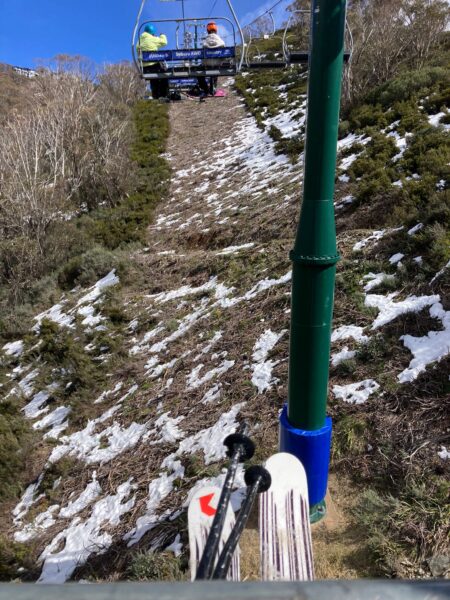
According to POW, the 2026 snow season is shutting down early across the Australian Alps amid seasonal closures for resorts, businesses going up for sale — and a severe lack of snow.
Mt Baw Baw (Victoria) and Selwyn Snow Resort (NSW) both closed for the season last week; Selwyn cited a “challenging winter”, temperature, and rain’s “impact on our remaining snow cover” as reasons for their decision.
Mt Hotham’s Hoff Hut has closed for the season and is up for sale, with snow cams showing the ski-in, ski-out access bare.
Thredbo Alpine Resort was recently hit with a drop in valuation of over 50% from $292 million to $143m.
The snow season typically runs from June, peaks in August and end in October but climate pollution from fossil fuel is driving higher temperatures and major rainfall that greatly reduced snow cover.
WINTERS ‘ARE CHANGING’
Mia ‘Miff’ Rennie is a freeskier, sports commentator and athlete member of POW.
“I grew up skiing at Selwyn snowfields and remember having to dig our front doors out at Cabramurra. That’s now a thing of the past,” she says.
“I have seen first-hand how quickly our winters are changing and how quickly we need to respond so future generations can continue to experience the magic of winter that I grew up with.”
The POW says the resort economy is worth over $3 billion annually and supports over 12,000 jobs in Victoria as big resorts, alpine towns and businesses share in the pain feeling the impact of climate change and short seasons.
The alliance says 2026 marks the fourth poor snow season in six years with its record-breaking July temperatures across the Alps and rainfall outweighing snowfall.
It points out that Canberra has 36 new or expanded fossil fuel coal, oil, and gas projects since 2022 (by Climate Council estimates).
CLIMATE IN NEED OF REPAIRING
Dr Lily O’Neill is a POW Director, climate lawyer and senior research fellow at the University of Melbourne.
“State and federal governments in Australia are operating a giant Ponzi scheme on regional Australia when it comes to climate change,” she says.
“They’re still approving coal mines and gas wells, hoping we don’t notice that same coal and gas is destroying our snow and alpine economies.”
Snow cover has fallen by 30% since the mid-1950s and the ski season shortened by 17-28% across most alpine resorts according to POW’s ‘Our Changing Snowscapes‘ Report); it also says Australia is on track for a further 44-55 day reduction in the ski season by 2050.
Dr Andrew Watkins is a POW Science member, adjunct professor at Monash University and National Climate Risk Assessment Lead Author.
“A metre of snow used to mean the season was just getting started; now a metre of snow is my daughter’s idea of a great season. Big changes in a generation,” he says.
(Media reports from New Zealand say there have been heavy falls, resulting in avalanches; click here for one report).




