
New fossil fuel projects are making a catastrophic situation worse as climate pollution drives fires across Europe, Canada and US with Australia next in the firing line.
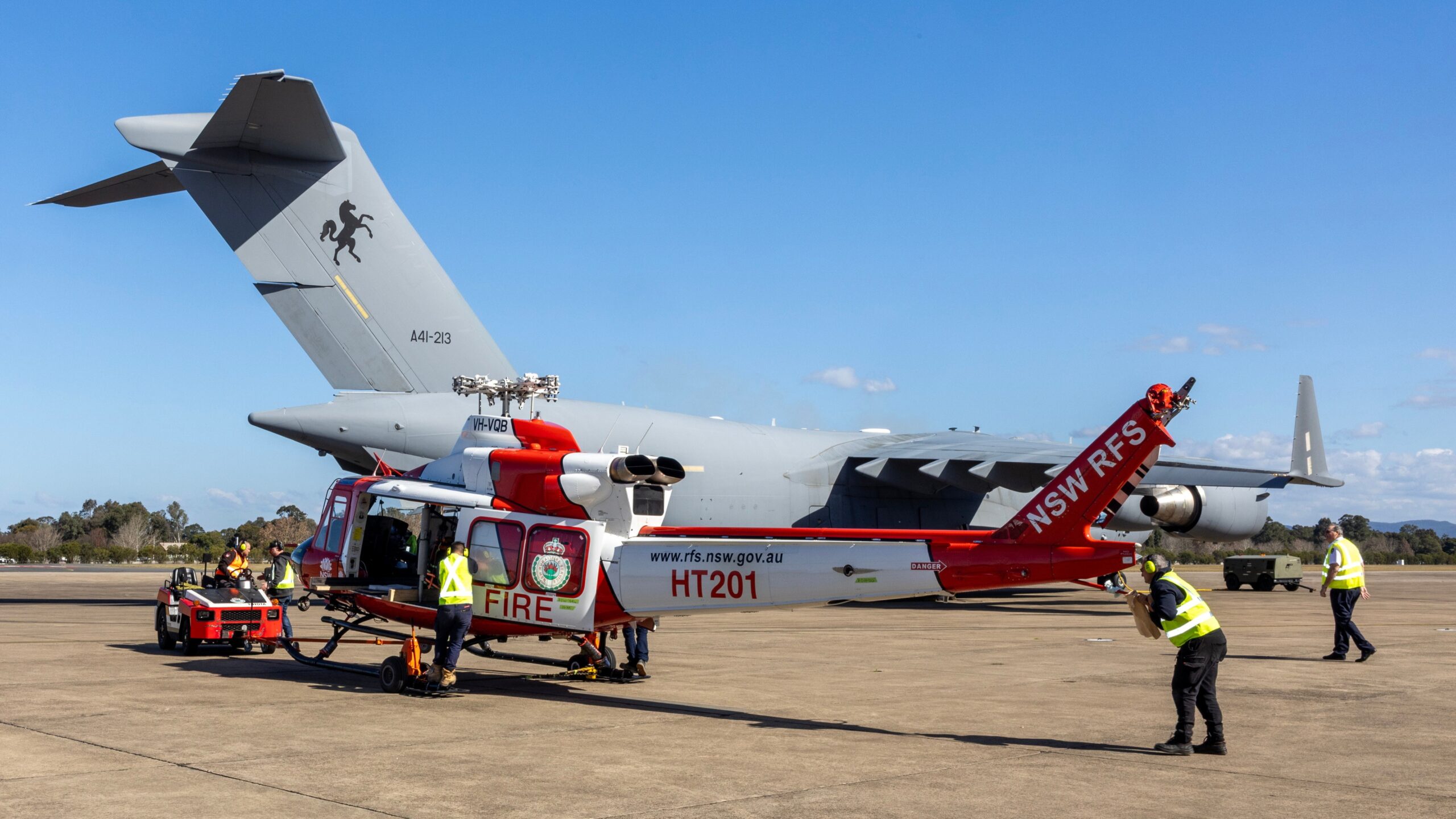
The warning was made as Australian (and Kiwi) crews and aircraft flew off to Europe, Canada and US to help fight bushfires.
It was delivered by the Emergency Leaders for Climate Action (ELCA) comprises of 37 former senior fire and emergency service leaders.
ELCA founder and former Commissioner of Fire & Rescue NSW Greg Mullins says the fire threat has “changed beyond recognition” in his 50-plus years of fighting them.
“Black Summer (2019-20) killed 33 people directly and hundreds more through smoke — in the six years since, we’ve added more (fossil fuel) pollution to the problem,” he says.
“Governments that keep approving new coal, oil and gas (fossil fuel) projects are raising the risk of even worse fire disasters.”
MORE TO SAY: Click here for a statement by ELCA Founder Greg Mullins.
FIRE THREAT WORSENS AMID NEW FOSSIL FUEL PROJECTS
Former ACT Emergency Services Authority Commissioner Peter Dunn echoed the call to wind back on fossil fuel projects.
“We need to prepare our communities for this frightening new fire reality, and we need to stop making things worse,” he says.
“We’ve got some world leaders winding back climate action at the very time that a bigger effort is needed – these people are endangering us all,” Dunn says of the push for more fossil fuel energy projects.
Mike Brown is the former Chief Fire Officer for the Tasmanian Fire Service.
“These fires in the Northern Hemisphere are far from over but it’s already clear that a hotter world is driving fires capable of incredible damage that on the worst days overwhelm even the best-resourced fire services,” he says.
The ELCA says Europe’s bushfires are following patterns already seen in Australia and North America: fire seasons that start earlier, run longer and are more intense.
Dunn says France is experiencing fires of a scale that he saw as far back as 2003 when he had to defend his home in Canberra and saw three bushfires merge to form a fire tornado which destroyed nearly 500 homes.
“Fires that create their own weather were once rare but have now become almost common during bad fire seasons.
“These conditions have now been seen for the first time in France. There’s no firefighting force in the world that can contain fires that burn with that intensity,” Dunn says.
Brown says major bushfires in Tasmania are now appearing more frequently.
“In the past major Tasmanian fires occurred decades apart, but over my career I saw challenging bushfires become much more frequent with damaging fires in 2006, 2013, 2016 and 2018-19,” he says.
“We’re now seeing huge fires in Tasmanian alpine and rainforest areas like on our west coast, and property destroyed in relatively cool conditions at Dolphin Sands and St Helens in December last year.”
MORE: Aussie and Kiwi firefighters join US efforts
LATER TODAY: More Aussie firies heading off to North America




