
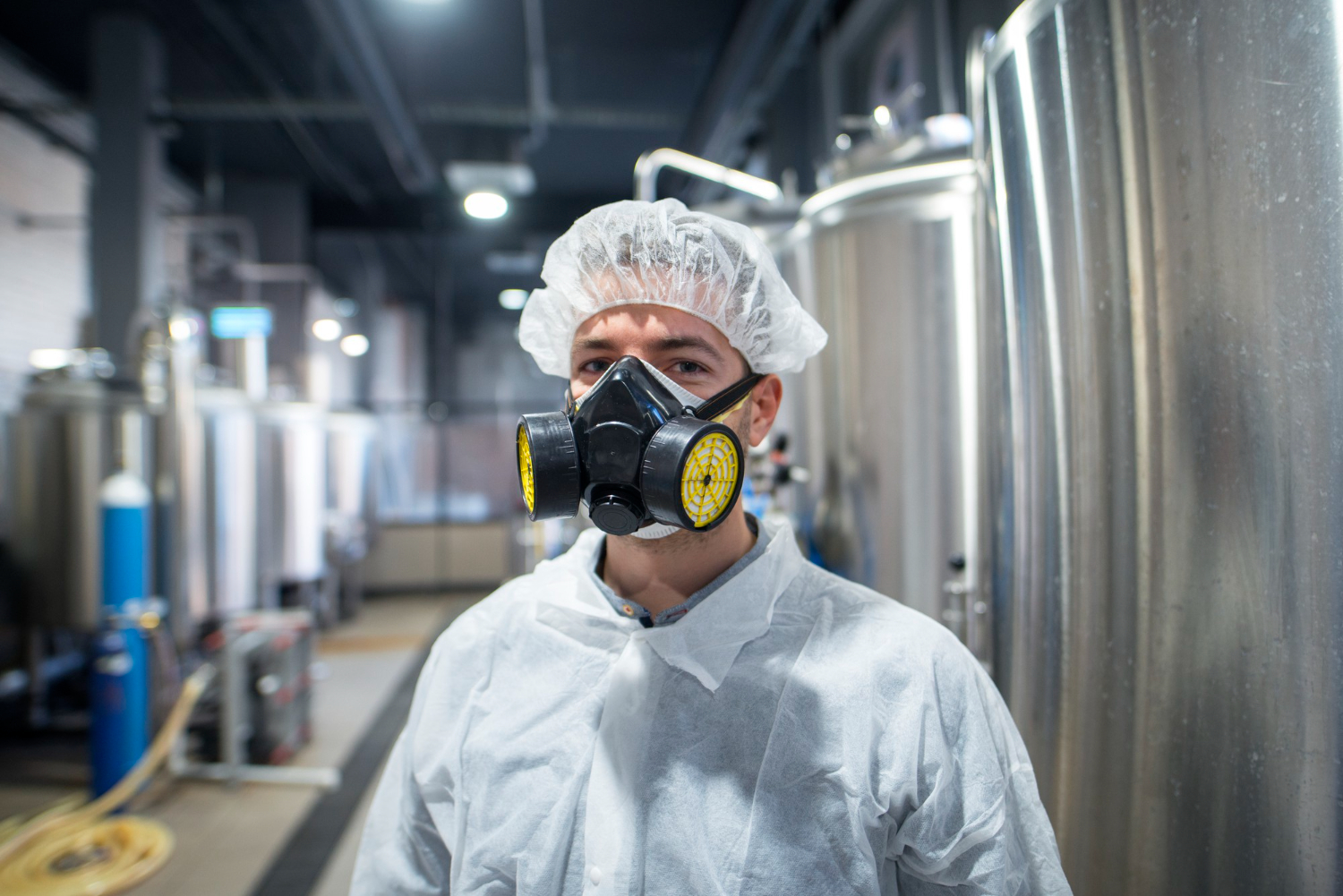
Queensland workplace exposure limits change on 1 December 2026. From that date, Safe Work Australia’s new Workplace Exposure Limits (WEL) list replaces the long-standing Workplace Exposure Standards (WES) list as the benchmark for airborne contaminants at work. Most of the new limits apply straight away, but Queensland has given 15 substances a longer run-in, lasting until 1 December 2029.
What changes on 1 December 2026
Until 30 November 2026, businesses must keep workers’ exposure below the existing WES. From 1 December, the WEL list takes over. For the vast majority of substances, the new Queensland workplace exposure limits replace the old WES values from day one.
The 15 substances with extra time under Queensland workplace exposure limits
The transition arrangements cover:
- bitumen fumes
- diesel particulate matter (DPM), measured as respirable elemental carbon
- flour dust
- grain dust
- hydrogen fluoride
- manganese fume, dust and compounds
- methyl bromide
- nickel metal, powder and nickel sulphide roasting (fume and dust)
- nitric oxide
- perchloroethylene
- phosphine
- Portland cement
- styrene monomer
- sulphur dioxide
- wood dust (softwood)
Under the new Queensland workplace exposure limits, the transition arrangements cover:
What applies until 1 December 2029
- Flour dust: no exposure limit applies in Queensland.
- Diesel particulate matter: a time-weighted average of 0.1 mg/m³, measured as respirable elemental carbon. That is ten times the national WEL of 0.01 mg/m³, so sites using diesel plant should plan for a much tighter limit later.
- The other 13 substances: the existing workplace exposure standard continues to apply.
From 1 December 2029, the national WEL values apply to all 15 substances.
What it means for your workplace
A new limit doesn’t automatically make a workplace non-compliant, and the core duty hasn’t changed: keep exposure as low as reasonably practicable. Now is still a good time to check which substances your site uses or produces, see how the Queensland workplace exposure limits apply to them, and update any procedures or documents that still refer to “exposure standards”.
Read more: Digital Detox Brings 3 Amazing Changes to Australian Schools
General information only, not legal advice. Check the official source before acting.
Source: WorkSafe Queensland.




