
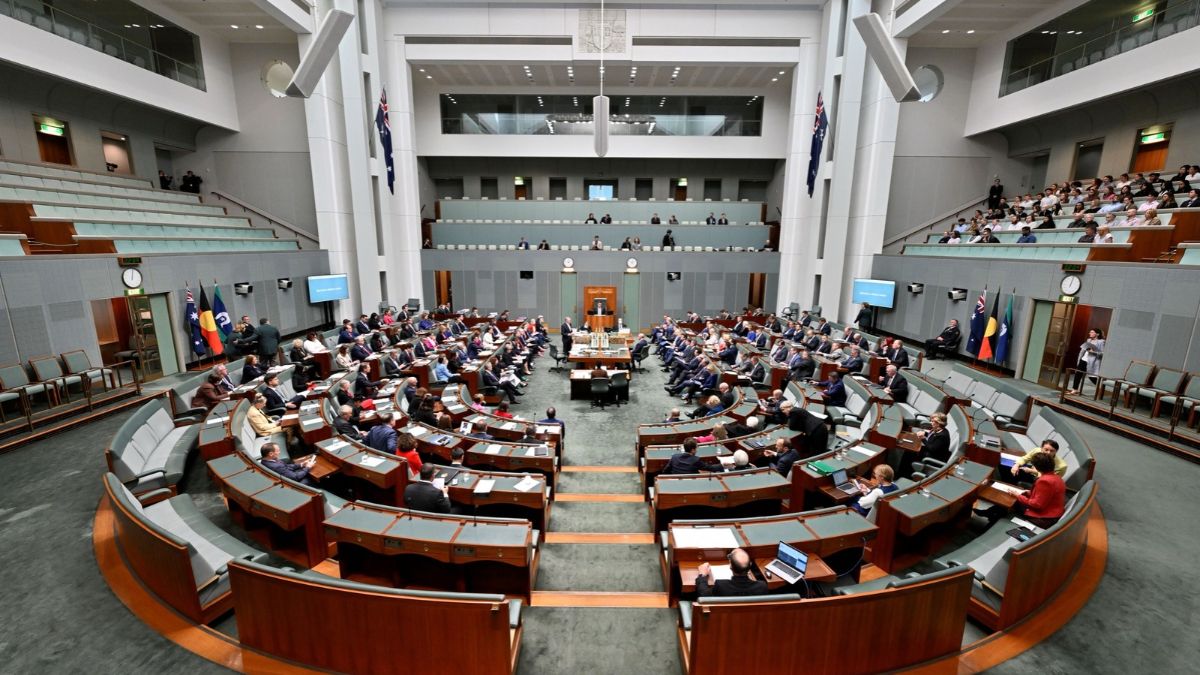
The Tax Reform No. 4 Bill – formally the Treasury Laws Amendment (Tax Reform No. 4) Bill 2026 – passed the House of Representatives without amendment on 29 October 2026, just two days after Treasurer Jim Chalmers introduced it. It bundles five separate measures into one package, so it stands or falls as a whole. It isn’t law yet, though. The bill is now before the Senate, where the Government will need the Greens and the crossbench on side before it can go to the Governor-General for Royal Assent.
Start-up and venture capital gains
From 1 July 2027, eligible investors in innovative start-ups would be able to claim an optional 50 per cent capital gains tax discount, known as the Innovative Business CGT Concession. That matters because earlier reforms are replacing the general 50 per cent discount with indexation, so this carve-out keeps an old-style discount for early-stage investors. Venture capital tax incentives would also be expanded from the same date to encourage investment in early-stage and high-growth businesses.
Tax Reform No. 4 Bill reshapes the R&D incentive
From 1 July 2028, the Research and Development Tax Incentive would be reshaped to steer support towards younger, research-intensive firms. The minimum spend to claim would rise from $20,000 to $50,000, although smaller programmes could still qualify through a registered Research Service Provider or Cooperative Research Centre. Supporting R&D activities would no longer be eligible. The refundable offset would generally be limited to a company’s first 10 years, extended to 15 years for firms researching therapeutic goods. In return, offset rates would rise by 4.5 percentage points, and the turnover ceiling for the refundable offset would lift from $20 million to $50 million.
PAYG and electric vehicle changes
From 1 July 2027, businesses that currently pay PAYG instalments quarterly could choose to pay monthly instead. The Commissioner of Taxation could also require monthly instalments from entities with a poor compliance record.
For electric cars, the fringe benefits tax changes come in two steps. From 1 April 2027, only EVs valued at $75,000 or less would keep the full exemption, while dearer models below the luxury car tax threshold would get a 25 per cent discount. From 1 April 2029, every eligible EV would move to the 25 per cent discount. Cars provided under arrangements made before the cut-off dates are largely protected.
How the House voted
The bill passed with the support of Labor, the Greens and seven independents: Nicolette Boele, Kate Chaney, Monique Ryan, Sophie Scamps, Allegra Spender, Zali Steggall and Andrew Wilkie. The Coalition, One Nation, Centre Alliance’s Rebekha Sharkie, Katter’s Australian Party and independent Andrew Gee voted against it.
What happens next
Both chambers are due to sit from 23 to 26 November, so the coming week will show whether the Tax Reform No. 4 Bill becomes law before the summer break or whether the Senate sends it back with changes.
Read more: NSW Land Tax 2027: 8 Essential Checks Before Your Notice Lands
General information only, not legal advice. Check the official source before acting.
Source: Parliament of Australia.




