
Key takeaways
- ACCC excessive pricing checks will start with eight grocery groups at Coles and Woolworths, covering more than 1,000 items.
- The list is potatoes, limes, bone-in chicken, unflavoured fresh milk, bread rolls, chocolate, coffee, and kitchen sponges and scourers.
- Being on the list is not a finding of wrongdoing. The ACCC says these prices simply deserve a closer look.
- The first monitoring report is due in early 2027, and more products will be named next year.
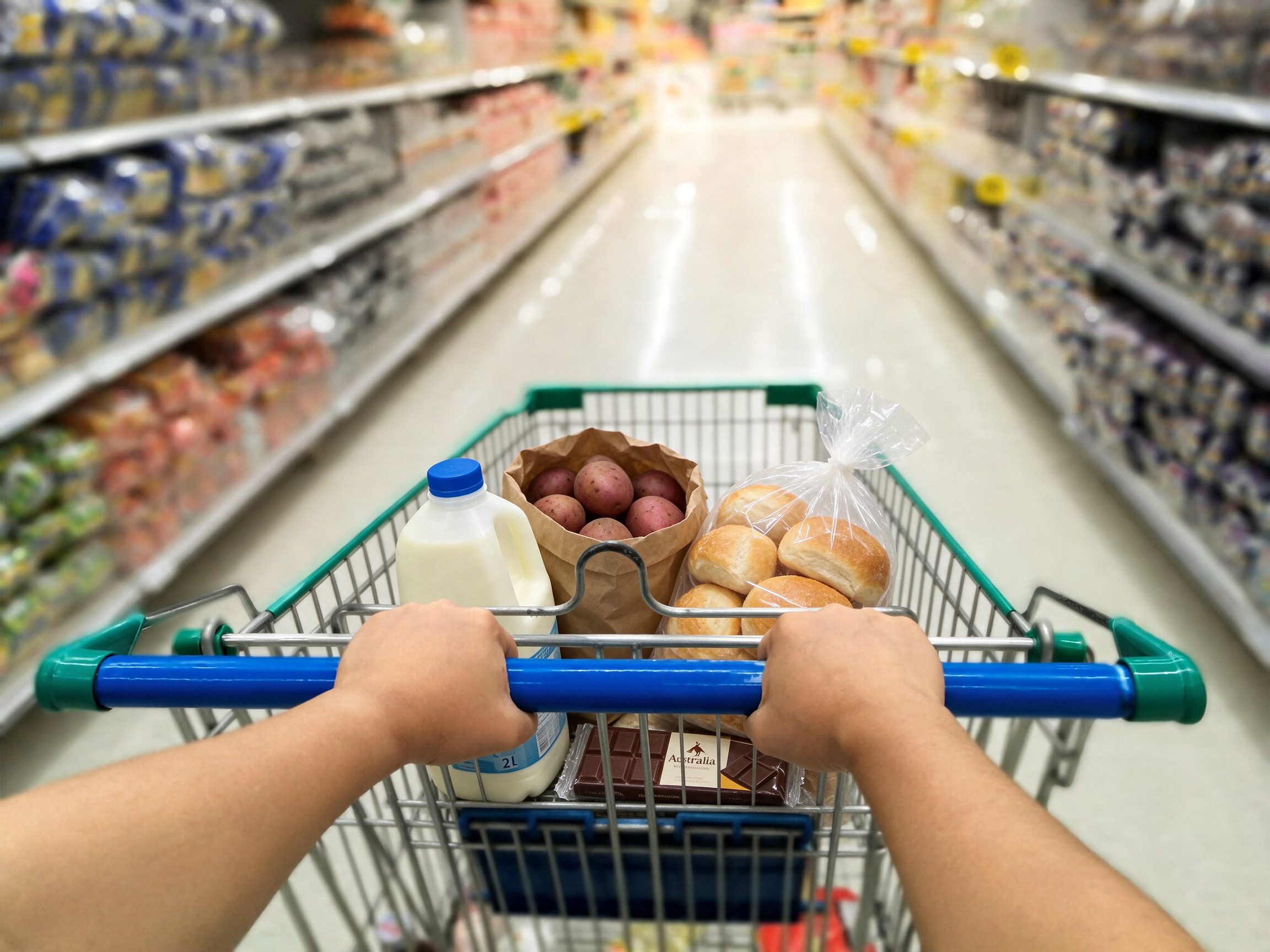
ACCC excessive pricing rules have moved off the statute book and into the shopping trolley. If your weekly shop includes a bag of spuds, a bottle of milk and a block of chocolate, you’ve already picked up three of the watchdog’s first eight targets.
On 13 November 2026, the Australian Competition and Consumer Commission (ACCC) named the product groups it will examine first under the new supermarket excessive pricing prohibition. The ban took effect on 1 July 2026 as an amendment to the Food and Grocery Code of Conduct. It applies to supermarkets with annual revenue above $30 billion in the 2025-26 financial year, which for now means only Coles and Woolworths.
What the ACCC excessive pricing checks cover
- The first eight groups are potatoes, limes, bone-in chicken, unflavoured fresh milk, bread rolls, chocolate (blocks and snack bars), coffee, and kitchen sponges and scourers.
- Together they cover more than 1,000 individual items across the two supermarkets.
- The ACCC’s first monitoring report, due in early 2027, will look at prices, costs and margins for these products. It will use data from before the ban began as a baseline.
- More product groups will be named for closer examination in 2027.
- Monitoring is not limited to this list. The ACCC will keep tracking pricing and margins on every grocery product sold at Coles and Woolworths.
- The early focus is on checking compliance, but the ACCC can take enforcement action where warranted, and significant penalties apply for breaches.
Why these eight?
The ACCC weighed reports from shoppers and suppliers, whether each product is essential or discretionary, and prices, margins and sales revenue across the 2024-25 and 2025-26 financial years. That explains why a humble lime sits alongside a weekly essential such as milk.
What counts as “excessive”?
There is no fixed price ceiling. The test is whether a price is significantly excessive compared with what it costs the supermarket to supply the product, plus a reasonable margin, taking all circumstances into account.
Who announced it
ACCC Deputy Chair Mick Keogh made the announcement. He was careful to say that a product’s place on the list does not mean the regulator currently thinks supermarkets are taking unreasonable margins on it. It only means the pricing warrants a closer look. He added that the work matters to Australians who are “acutely aware of price increases in their supermarket shop”.
Also read: ACCC opens the door on shaping superfast broadband access rules
General information only, not legal advice. Check the official source before acting.
Source: ACCC. Licence: CC BY 4.0.




