
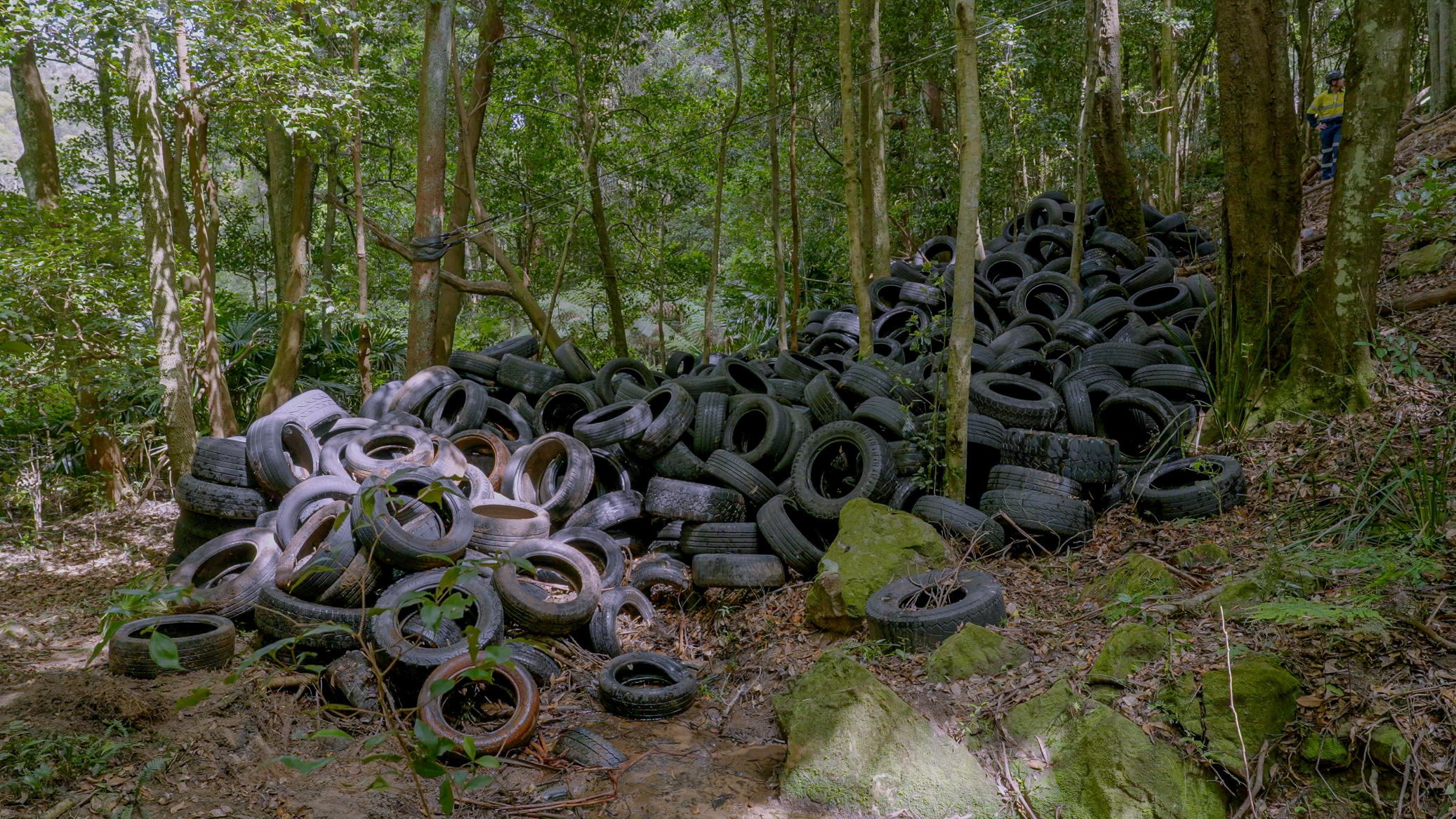
Illegal dumping by NSW residents and business have fallen nearly 10% in six years but with more to do, a new Environment Protection Authority (EPA) study says.
The NSW EPA today released its new study of the illegal practice which is published every five to six years.
EPA Executive Director of Programs and Innovation Alexandra Geddes describes the study’s findings as promising.
“It found illegal dumping by community members dropped 9% since 2019 (from 22% to 13%) while businesses remained steady at 26%,” she says.
“Kerbside dumping by community members decreased from 20% to 10% and from 17% to 10% for businesses.
“It’s great to see the research demonstrating more people are doing the right thing.”
But she says the problems remains widespread and is costing councils and communities hundreds of millions of dollars and hurting the environment.
Other key findings (2025 to 2019)
98% of councils say it is a problem for them with one-in-seven spending more than $500,000 a year in clean-up and enforcement.
Awareness that kerbside dumping is illegal has increased from 48% to 75%.
Bulky household items are the most common material with kerbsides, roadsides and bushland the worst hotspots.
The report reveals most residents and businesses view illegal dumping as unacceptable but persistent challenges remain. These include a low awareness of consequences such as fines, confusion about what counts as illegal dumping and uncertainty around who is responsible for waste.
Geddes says illegal dumping is far from a victimless crime.
“Discarded waste on kerbsides, roadsides and in bushland is an eyesore, (it) puts human life at risk through fire hazards and contaminants, harms wildlife, burdens councils and undermines recycling efforts,” she explains.
“Whether it’s tyres, desks or mattresses – everyone has a role in stopping it. We’re holding offenders to account.
“We know people are increasingly aware of the dangers and risks, and we’re working with councils, communities and industry to close service gaps, improve awareness of disposal and reuse options, educate people about the impacts, and crack down on those who continue to dump.”
The findings will be used in future compliance, prevention programs and enforcement measures, and for the next illegal dumping strategy, the agency says.

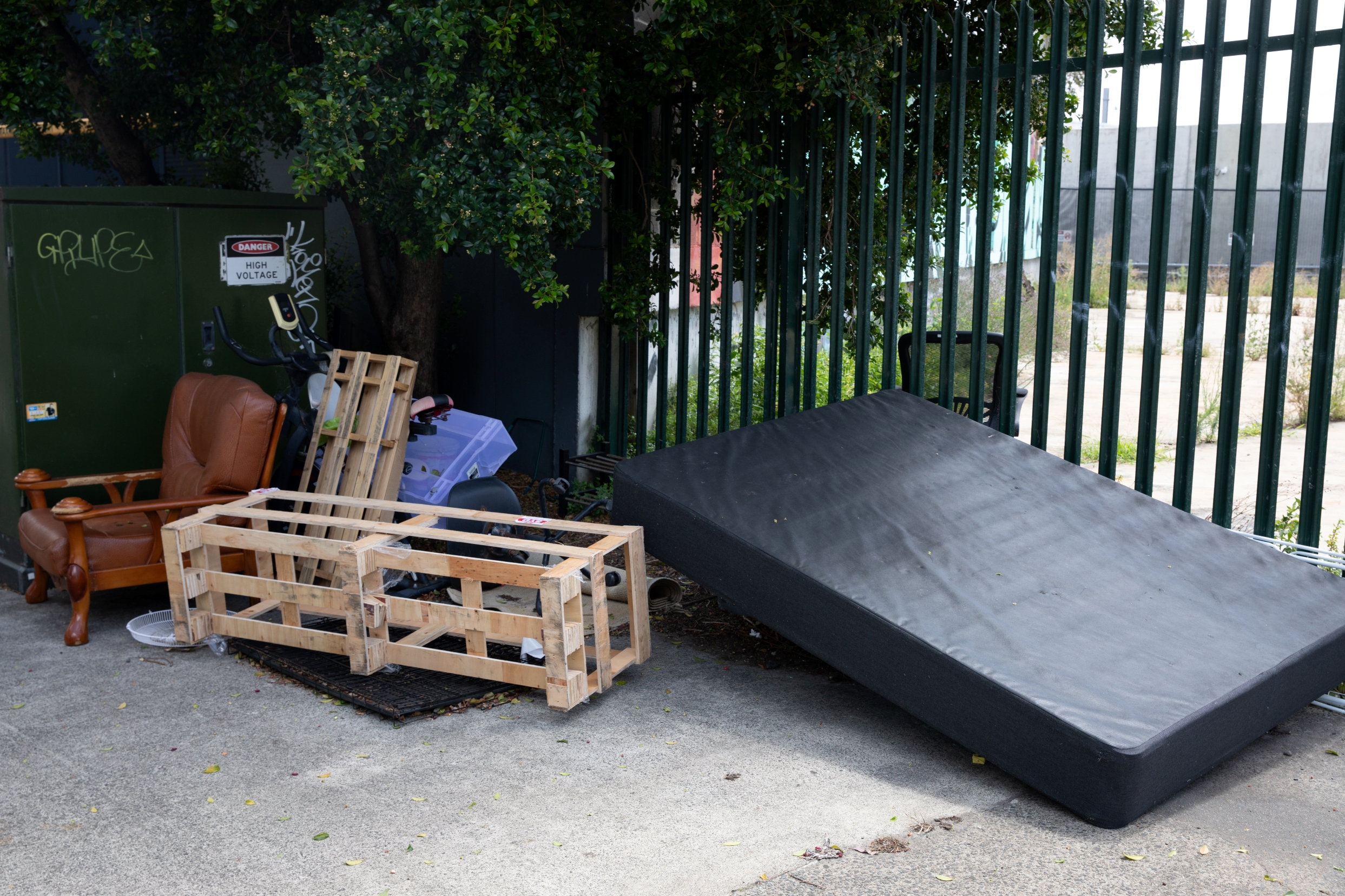
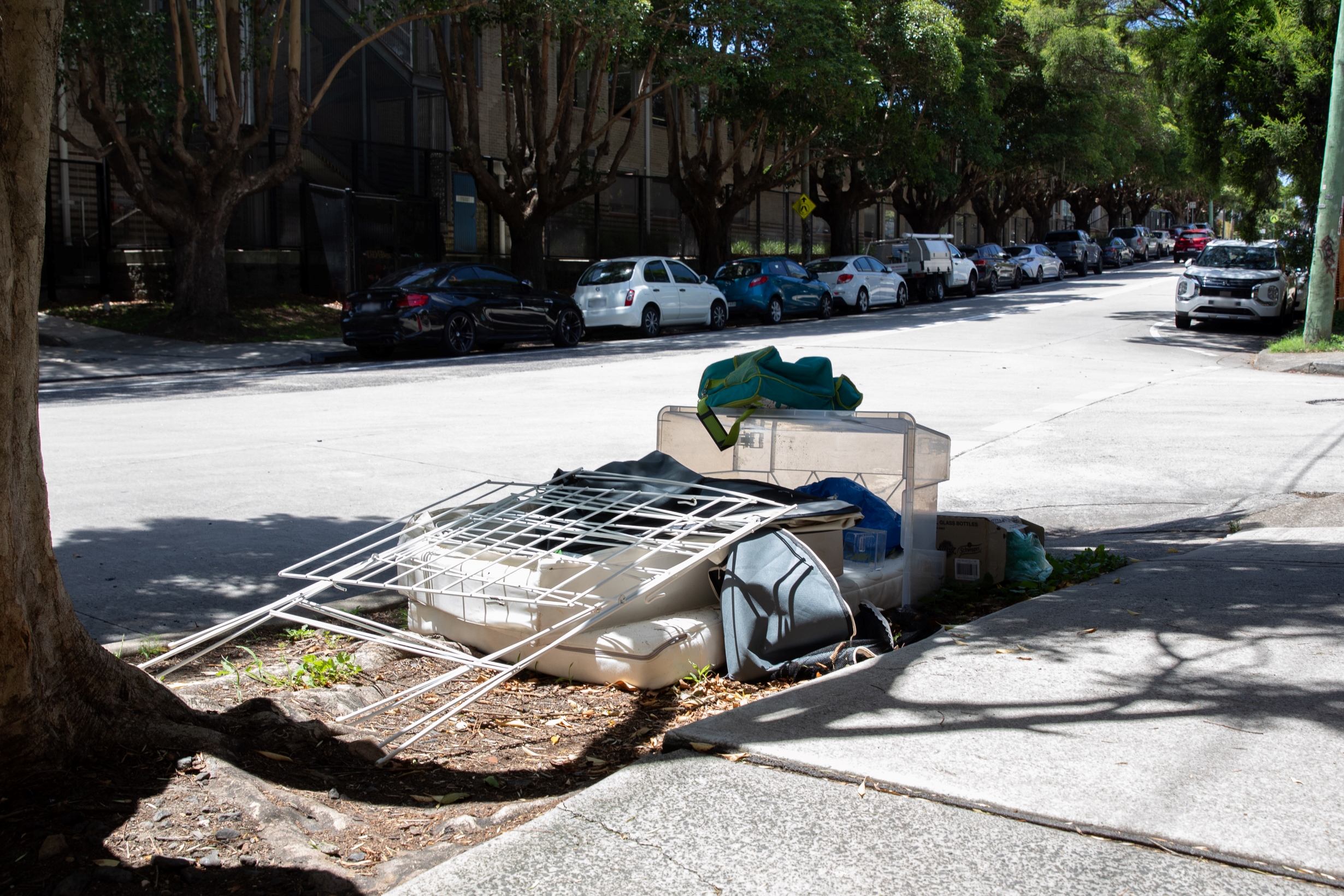
DUMPING PUNISHMENT
In April 2024, the maximum penalty for the most serious illegal dumping offences was increased to $500,000 per person and $2 million per business.
Even higher penalties apply to asbestos waste.
Since then, the EPA says, it handed out 26 fines worth $446,750.
Since 2022, the agency has given more than $2.83m in grants to councils and regional waste groups.
To read the study or to make a report from your area, visit www.epa.nsw.gov.au/illegal-dumping-research
MORE EPA NEWS: Help for councils as Sydney runs out of landfill space.




