
FROM PREVIOUS PAGE
Dr Walker says this size change might have a ripple effect on how the mammals can communicate.
“North Atlantic right whales have reduced in maximum body length by 7.3% since 1981,” he says.
“The link we found between aquatic mammal size and maximum call length suggests that a reduction in a species’ size may also be linked to a reduction in how far it’s sounds travels.
“This means that smaller whales may have to work harder to make their calls reach their friends or family members, and in some cases might not be able to reach them at all.”
INSPIRED IN BOTSWANA
Dr Walker was sleeping in a field camp in Botswana when the idea for the project literally called to him at 3am when he was woken by a Chacma baboon – and had no idea where it was.
He later learnt the maximum call range for two other baboon species, Guinea (1km) and yellow (2.5km) baboon, but there is no data for Chacma baboons.
“Trying to figure out where an animal is based
on its sound is something that everyone does.”
“You might be walking at night and hear something in the distance and wonder where its coming from. Where is that frog? Where is that possum? Where is that bird?” Dr Walker says.
The data and insights gained from this research can also help other researchers and citizen scientists work out where a mammal might be calling from – and improve biodiversity monitoring along the way.
RANGE COMPARISONS
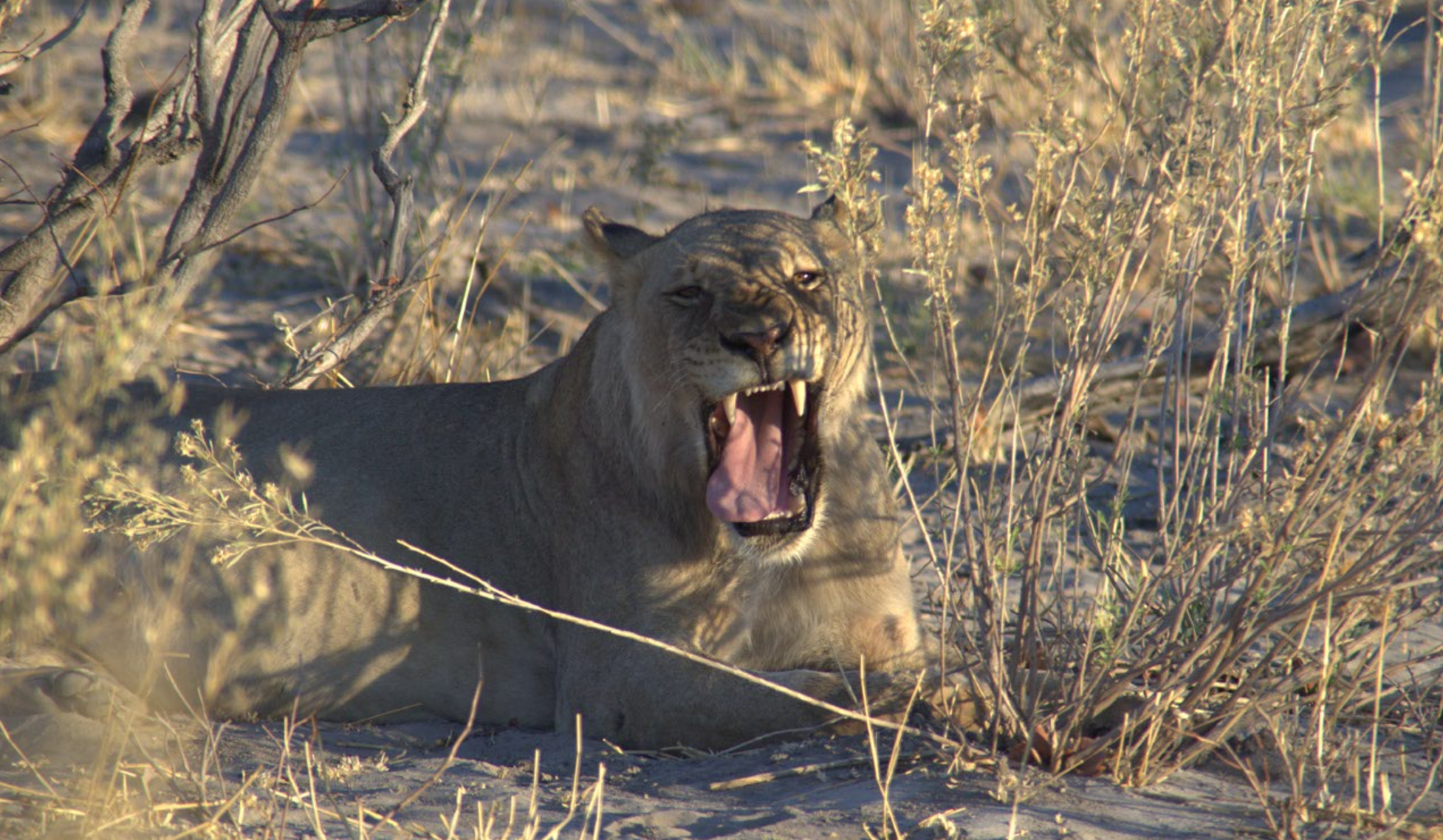
- Lions are social creatures capable of making territorial calls with a home range of over 50,000 acres. One of their calls can reach 8km.
- A koala is a solitary animal with a home range of about 2.5 acres. Its call can reach up to 150m.
- A human call can reach about 434m. Source: UNSW.
“Our findings could help improve the information we infer from acoustic monitoring data, like how far away the animals might be, how far their sounds are reaching, and if there’s more than one individual recorded,” says Dr Walker.
NEW NSW SURVEY
The NSW National Parks and Wildlife Service is conducting one of the largest monitoring programs to date, he says.
While this project looks at mammals, Dr Walker hopes to expand its work to other groups of animals; birds top of his list.
“There are over 11,000 different bird species out there and bird tourism is booming. I think it’d be wonderful to start working out where birds are,” he says.
“Often when a birder goes out to find a rare bird, they’ll listen first then try to see it.
“I want to help people not just rely on their eyes but also their ears, and have some sort of free knowledge about how far away the bird might be before they go out to find them,” he explains.
“In total, there are about 6500 mammal species globally but recording sounds for all those mammals is very difficult. Our sample size of 103 long-distance mammal calls is all that exists in 60 years of research,” he says.
“We hope our study stimulates more research and encourages scientists to collect more data on mammals into the future.”
MORE ANIMAL NEWS: Platypus DNA finds means good news




