
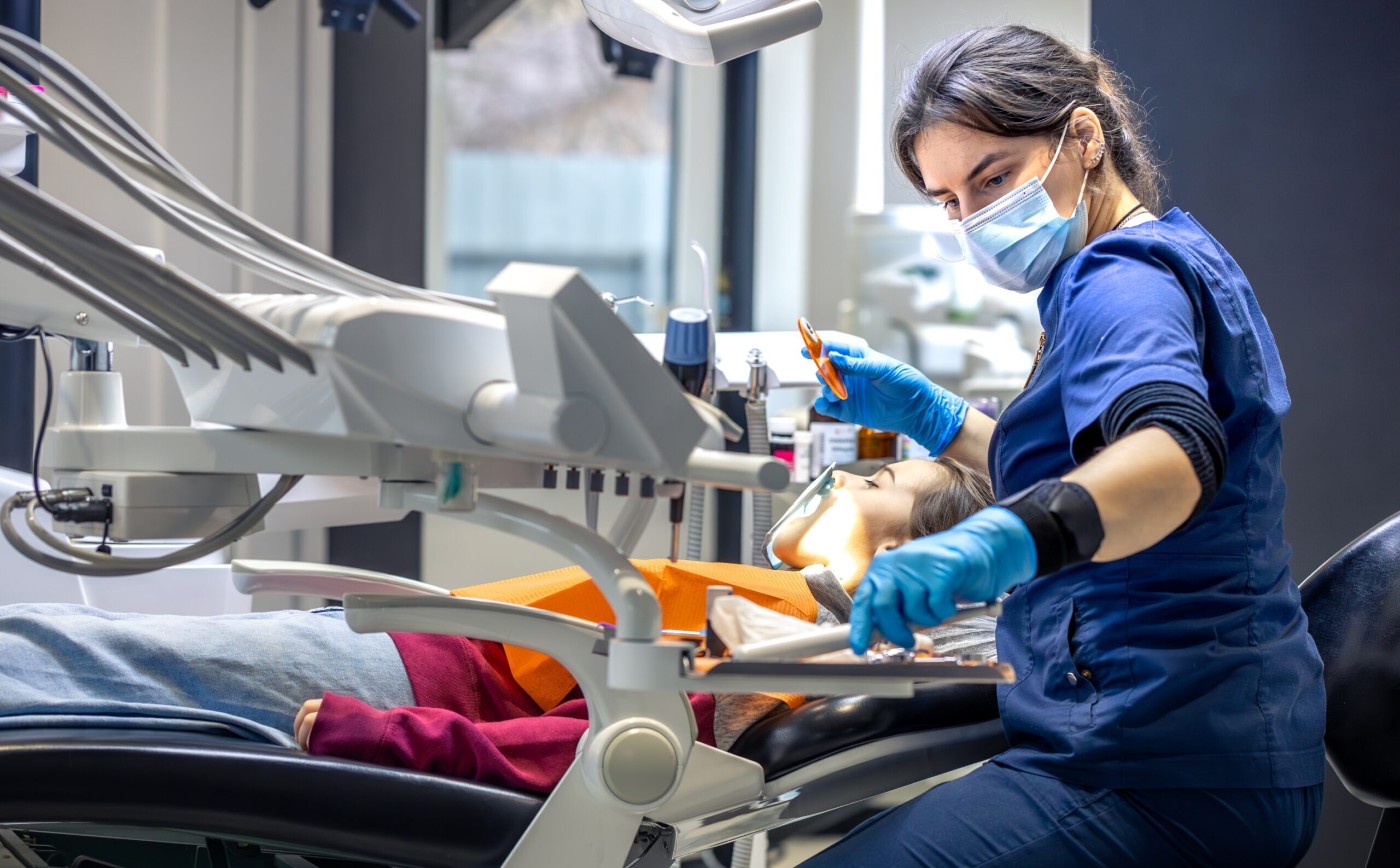
Dental costs are hurting eight out of 10 Australians in the pocket with one in eight saying it leaves them unable to pay for essentials like food.
And the call is out for greater funding in the upcoming Federal Budget due to be released on May 12.
The Consumers Health Forum of Australia (CHF) today released a new national survey about oral health and dental care.
It says that respondents talked about cutting back on groceries, drawing on superannuation, flying overseas for treatment and relying on food charities to afford dental care.
One respondent borrowed from a relative to pay for emergency care to avoid selling belongings while another relied on charity food for months after paying for a tooth extraction.
“Australians still trust the care they receive. What they don’t trust is whether they can afford it when they need it,” CHF chief executive officer Dr Elizabeth Deveny says.
“That gap between confidence in care and confidence in affordability is the fault line in our health system.
“When people are withdrawing their Super or skipping meals to fix their
teeth, that fault line isn’t at the edges of the system; it’s at the centre.”
DENTAL WAIT DELAYS
The CHF says the burden falls heaviest on those living on pensions or fixed incomes, the elderly, the chronically ill or disabled, and those in smaller rural and remote communities; these are groups that are already absorbing fuel and grocery price hikes.
The Forum is a federal government-funded charity that represents health care consumers.
Dr Deveny says that more than 60% of survey respondents eligible for public dental care had delayed or cancelled treatment due to long wait times; more than 25% of all respondents were unsure if they were eligible for public services.
“When people delay care because of cost or confusion, those pressures don’t disappear — they show up later in emergency departments and worse health outcomes for people who were already vulnerable,” she says.
OTHER SURVEY FINDINGS
The CHF says wait delays are worse outside the major cities, affecting 76% of respondents in rural and remote communities compared to 58% in metropolitan areas.
But quality of care is not a problem: 57% of respondents who were treated rated their care as excellent or very good.
Among all respondents under financial strain, one in five (18.4%) pointed to unexpected out‑of‑pocket gaps despite having private health insurance; many said they had paid premiums for years under the assumption they were covered only to face significant costs when they needed dental care.
CALL FOR MORE FUNDING
Support for government action is near-unanimous; 94% of respondents supported greater federal funding for public dental services.
“Australians are not asking for anything radical. They are asking for dental care to be treated like healthcare at a minimum,” Dr Deveny says.
“The upcoming Budget is an opportunity to act on what consumers have been saying clearly for years.
“CHF is calling on the federal government to fund priority oral health access schemes for older people, First Nations people and people on low incomes, and increase public dental service capacity as a first step towards universal oral healthcare – an investment of $15.7 billion over four years.
“If we want a health system that people trust, it must be one they can actually afford to use. That is not a complicated ask. It is the baseline,” Dr Deveny said.
OTHER HEALTH NEWS: Tech neck is a growing pain for phone users




