
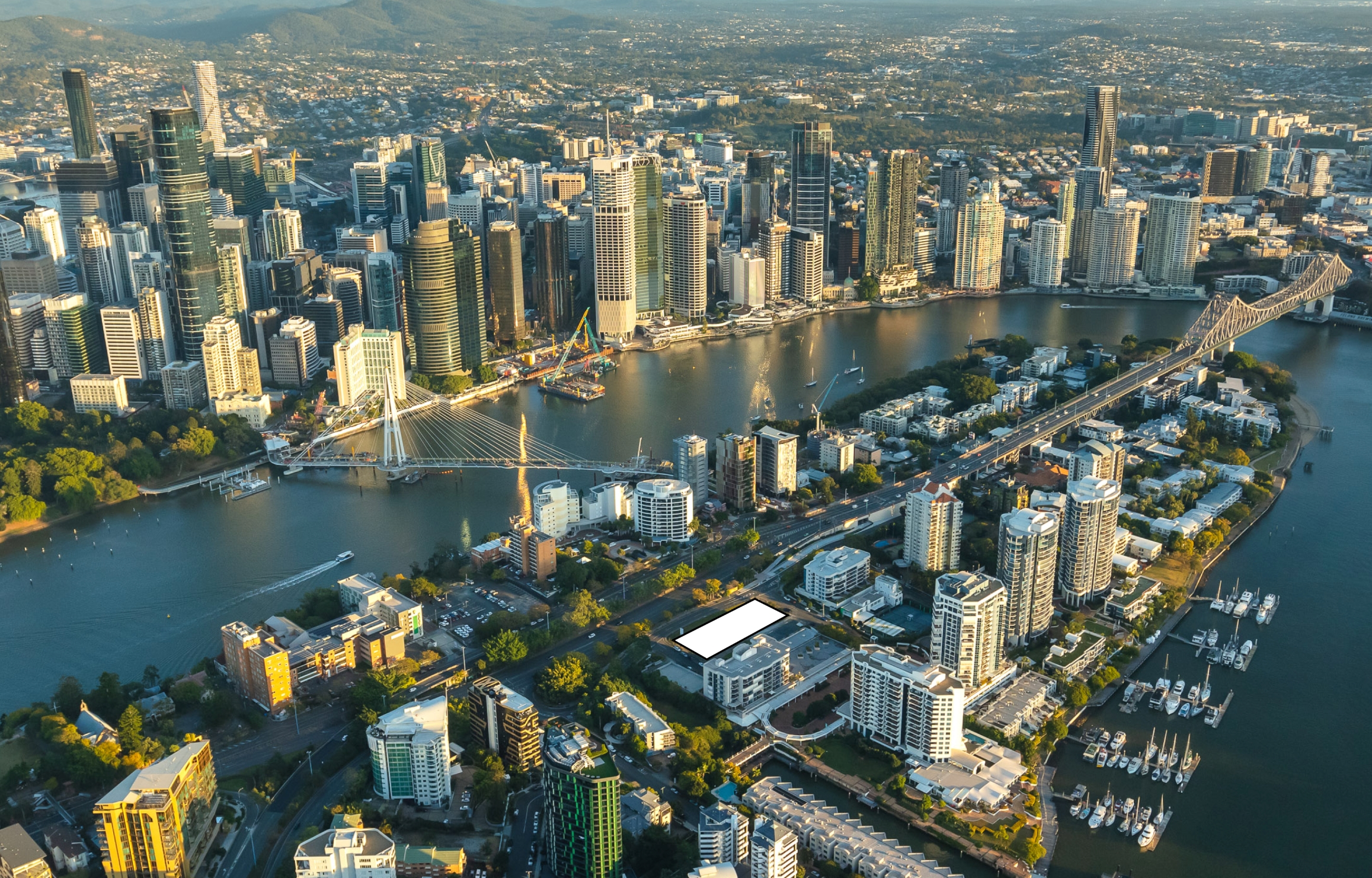
Hotel capacity for the 2032 Brisbane Olympic Games remains stalled even as demand for rooms continues to grow.
And more hotel rooms will place the state’s visitor economy in a bigger position post-Games, says a new report for the Property Council of Australia (PCA) that was released last week.
It says just one new hotel opened across Brisbane, Gold Coast and Sunshine Coast in the past year amid record occupancy, rising room rates and growing visitor demand.
The council’s Queensland Executive Director, Jess Caire says the findings reinforce the view that the state’s accommodation challenge is structural, not cyclical.
“The demand is here, the global spotlight is coming, but the rooms are not,” she says.
“Queensland’s hotel markets are doing exactly what we would hope – attracting visitors, lifting occupancy and driving strong returns, yet the supply response stalled completely.
“This year’s analysis confirms what last year’s report foreshadowed. This is not a short‑term dip or a construction hangover; it is a feasibility problem that is getting worse. Without intervention we will not maximise the opportunity ahead,” Caire says.
(Moreton Bay City Council says it is at least 1500 hotel rooms short for the Games and beyond as demand for business conferences, live events and tourism grows; click here to read that story.)
HOTEL ROOM SUPPLY
The report shows the industry is off‑track to meet State Government targets; the current pipeline is expected to supply only 24% of the 14,700 rooms that will be needed by 2032.
Report producer CBRE says their data shows the markets across South-East Queensland remain very tight with demand well above pre‑pandemic levels.
Head of Hotels Research Ally Gibson says: “Across Brisbane, Gold Coast and Sunshine Coast, just one new hotel opened in the past 12 months – the Mondrian (at) Burleigh Heads.
“One property in three major markets; that tells you everything about the supply problem we face.”
She points out that hotels are highly capital‑intensive, rarely pre‑sold or pre‑leased and must absorb escalating construction, financing and operating costs before they can achieve steady business.
CBRE says construction costs for three-to-five-star complexes have risen close to 40% since 2019 with another 18% increase expected in 2026 and 2027 as the gap between costs and revenue widens every month.
It says its own analysis of six Olympic host cities since 1996 shows median room night growth of 8.4% in the second year after the Games and 7.5% in the third year, ‘materially above’ the event year. Queensland’s accommodation pipeline needs to be sized for the decade after 2032, not just the weeks of competition.
To close the widening accommodation gap, the Property Council wants state and federal government action.
“We need to ensure policy settings give investors the confidence to bring forward hotel projects at the scale and pace required,” Caire says.
What the Council would like to see is:
The abolition of foreign land and ownership taxes.
Reduce council costs such as infrastructure charges and rates.
Government subsidies to help make capital investment in new hotels more attractive.
To help run a campaign to attract new national and international investment in the state.
Fast-track planning approvals for new hotels.




