
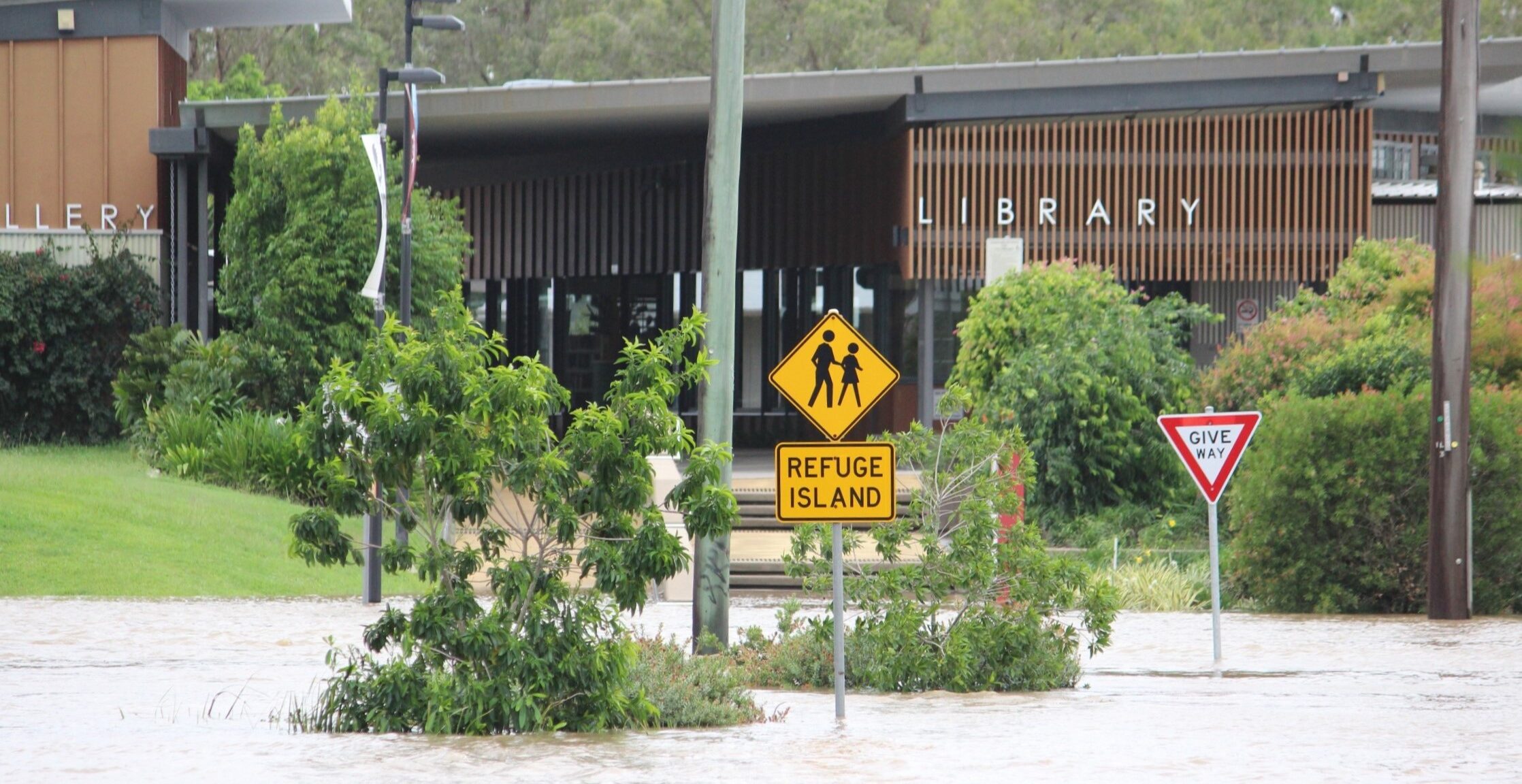
A new AusAlert system to be tested nationally across all mobile devices will be needed as the impact of climate change hits harder.
Former state and territory emergency leaders say a new alert system will be vital for saving lives as fires, floods and storms worsen.
On Monday, a test AusAlert signal will be sent to all mobile devices (smart phones, smart watches, tablets) at 2pm Eastern (1.30pm Central/12pm Western) standard time.
The National Emergency Management Agency says that the mobile devices will vibrate and wail like a siren for about 10 seconds; device users will not be able to opt out with ‘silent’ or ‘do not disturb’ settings.
Click here to learn more about AusAlert from the agency.
Former Fire and Rescue NSW commissioner and founder of the Emergency Leaders for Climate Action group Greg Mullins says: “It’s good to see disaster planning being taken seriously as we enter an El Nino event with the risk of bushfires being supercharged by climate pollution from burning coal, oil and gas.”
AUSALERT’S VULNERABILITIES
He notes that the AusAlert system will depend on wi-fi, telecom towers and power supplies which can all be damaged during disasters.
“We can’t rely on emergency alerts alone; we need to keep preparing our communities for worsening disasters well ahead of time. We need to stop the burning of coal, oil and gas that’s driving these worsening events,” he says.
Climate Council’s Adjunct Professor Andrew Watkins says residents are likely to experience more frequent, and intense, fires, floods and storms, and in areas which haven’t experienced such extreme weather before.
“We are already paying the price for climate pollution in rising insurance bills. Unless we act faster, we can expect double the number of Aussies to be exposed to coastal flooding in the next 25 years – that’s 1.5 million people in harm’s way,” he says.
“We’re in El Nino which raises the chances of hotter and drier weather over spring and summer. When added to the rising risks of heatwaves, drought and fire caused by the burning of coal, oil and gas, we have a dangerous combination on the horizon.”
Watkins says July has already been two to three degrees Celsius hotter than normal for much of eastern Australia with record temperatures in the High Country and drier than normal weather in Queensland and large parts of southern Australia.
“The outlook is for more to come,” he says.
The Emergency Leaders for Climate Action group comprises of 37 former senior fire and emergency service leaders.




