
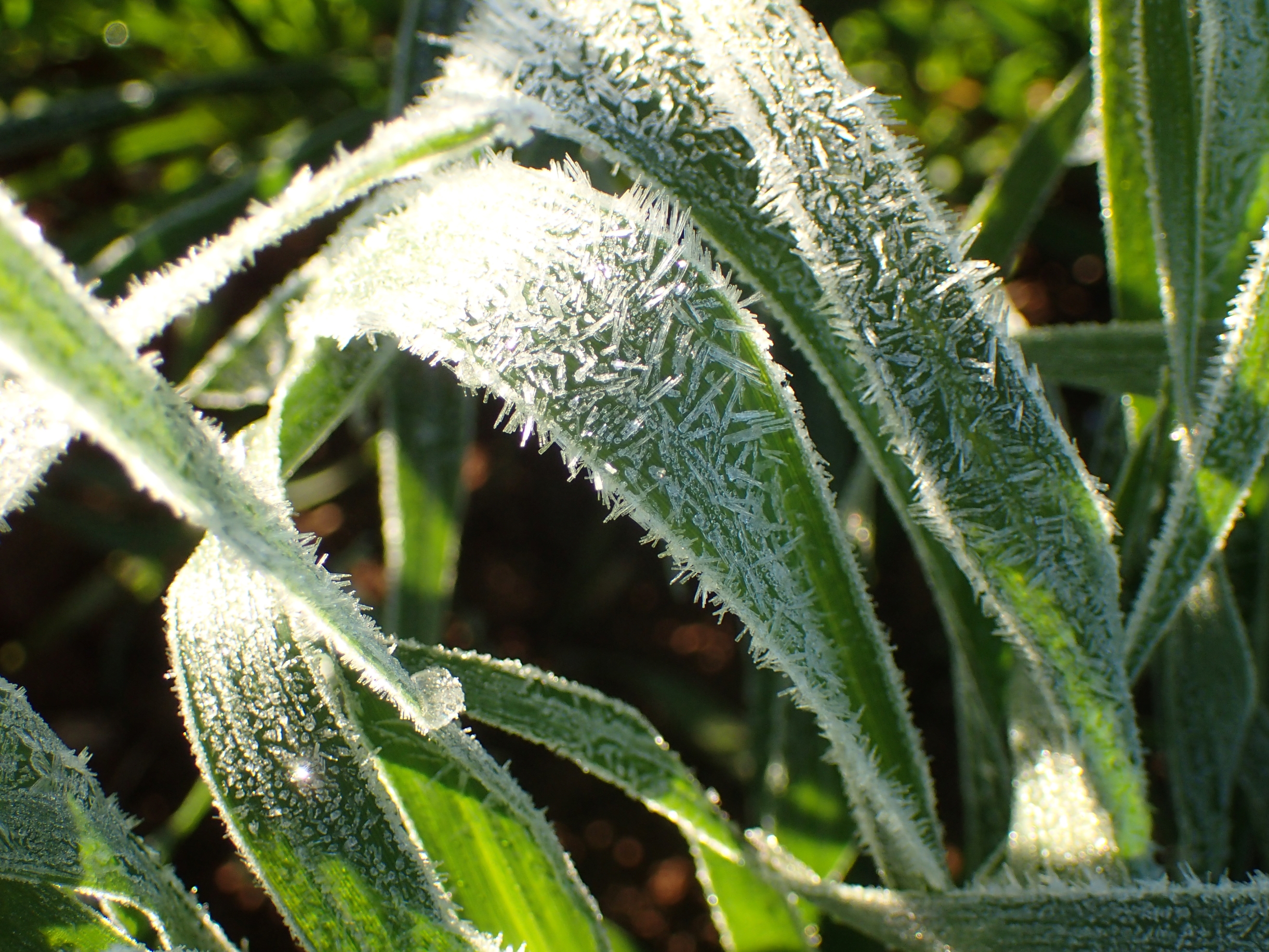
Frost is becoming a growing threat to wheat growers as yields come under pressure from a changing climate, the CSIRO says.
A new agency study shows that changing climate conditions are lengthening, and intensifying, the risk of damage.
The study was supported by the Grains Research and Development Corporation (GRDC), the agency says.
Frost can cost up to $360 million annually in wheat loss and the study shows that late spring frost and earlier heat remain a challenge for growers; the CSIRO says wheat is the major winter crop in Australia with sowing starting in autumn and harvesting in spring and summer.
CSIRO lead author Dr Fernanda Dreccer says the study takes a look at how well current best-practice management is performing.
“As seasonal conditions vary, attempts to avoid heat and drought can increase (the) exposure of frost during sensitive stages with impacts compounded by late spring frost.
“The biggest impacts (are) occurring when frost and heat stresses co-occur,” she says.
“Our study asked the question: ‘what are the limits of these best management strategies under increasing climate variability’?”
THE FROST THREAT
To answer this, a research team ran long-term simulations across the country’s wheatbelt at 83 locations using climate data dating back to 1970 and a wide range of wheat cultivar (cultivated variety).
The results showed that even under the best management conditions, frost remains a major threat to yields even when flowering occurred at optimal times.
Dr Dreccer says the study also highlights how management decisions by growers can involve unavoidable trade-offs between competing climate risks.
“Growers have access to a range of strategies including cultivar selection and sowing time so crops flower within the optimal flowering period,” she says.
“That is the window where yield is maximised by balancing frost, heat and water stress, with adequate nitrogen fertilisation.”
Dr Dreccer says their findings show that while phenology (the study of recurring biological events in plant life cycles) is still a critical tool, it is no longer enough on its own.
Yields remain restrained despite advances in agronomy and cultivar selection.
“The results show that reducing crop sensitivity can deliver meaningful gains, particularly in adverse seasons,” she said.
LEARNING MORE ON-SITE
In the last two years, Dr Dreccer’s team has studied how best to build tolerance in wheat with a focus on genetically diverse crop lines in different environments at sites in NSW, South Australia and Western Australia.
“As part of this work, we are also improving understanding of the environmental conditions associated with frost events, particularly the role of humidity and dew formation, which are key drivers of frost type and damage,” she says.
“This highlights an important gap in current approaches which often rely on air temperature alone and do not fully capture canopy-level conditions that influence whether damage occurs.
“While progress in managing frost has been slow, this improved understanding is helping to better assess risk and guide agronomic strategies and the development of crops with reduced sensitivity during critical growth stages.”
MORE CSIRO NEWS: Job cuts to leave Australia exposed




