
Rental housing in NSW is worsening even as Queensland’s market is loosening, says the Real Estate Institute (REI).
The NSW branch of the institute (REINSW) says the number of residential tenancy agreements fell by more than 25,000 over the 12 months of a fiscal year.
During the 2024-25 fiscal year, 271,618 tenancy deals were signed, either new ones or renewals. in 2025-26, 245,249 agreements were signed with 800 fewer deals in May and June this year alone.
The REINSW says its analysis of signed exclusive management agreements for property managers has been falling year-on-year; it fell from 77,641 in 2023-24 to 74,339 in 2024-25 to 72,296 for 2025-26.
REINSW CEO Tim McKibbin says the growing disconnect between those wanting to rent a home and those who found one is deeply concerning.
“The situation for renters is worsening. When demand among renters is as strong as it currently is, a natural market response would be the increased absorption of rental supply,” he says.
“Legislative changes have distorted the market’s ability to respond. What we’re left with is a spiralling societal disaster.”
RENTAL BONDS, TENURES ARE FALLING
The REINSW points to the latest rental bonds data from NSW Fair Trading (June 2026), which show a fall in bonds held over the previous quarter, and a sharp drop from May to June.
The length of rental tenures has fallen 0.9% over the past year as well, according to Fair Trading, ensuring a tenant’s stay has been cut.
“It’s not just where all these hopeful renters are living but how are they living?” McKibbin says.
“For those who did have a home to rent and no longer do, where did they go? After all, only a small percentage have moved into the first home buyer category.
“Consistently rising rents are making it harder than ever for tenants to save a deposit,” he says.
“Recent changes to residential tenancy laws are clearly having the opposite effect and with more changes on the horizon because of the Federal Budget, the rental reversal could become even worse.
“A moratorium on new residential tenancy legislation is needed now, alongside an independent review of the real-world implications of recent legislative changes.”
QLD RENTAL MARKET LOOSENS
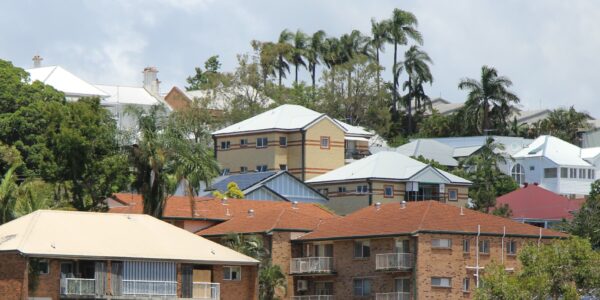
In Queensland, more than half of the state’s regions recorded an increase in rental vacancies as rates reach their highest since the pandemic.
The state vacancy rate rose just 1% in the latest quarter, according to the REI’s Qld branch (REIQ).
The REIQ says its data for the June quarter found 27 of 50 regions statewide recorded a growing vacancy rate with 13 regions tightening and 10 unchanged.
It points out that rental availability remains very tight with 29 regions reporting vacancy rates of 1% or less and six regions with rates above 2%.
Brisbane remains unaffected but the REIQ says a notable loosening in vacancy rates is happening in regional and coastal markets.
LOOSENING REGIONS
- Fraser Coast (2.2%) and Hervey Bay (2.3%): both up 0.7%.
- Maryborough at 1.4% rose by 0.6%.
- Gympie (1.4%), Mareeba (1.0%), Caloundra Coast (1.1%), Gold Coast (1.5%), and Burdekin (1.1%): all up by 0.4%.
- Regions that recorded their highest vacancy rates since the start of the pandemic were Fraser Coast, Hervey Bay, Maryborough, Gold Coast, Mackay (1.2%), Rockhampton (1.0%) and Mareeba.
- Gympie reported its highest rate in nearly a decade. Source: REIQ
REIQ CEO Antonia Mercorella says that despite the rising vacancies, the state market remains unbalanced.
“We’re seeing more regions relax than tighten, particularly across parts of regional Queensland, but we’re still a long way from what anyone would call a healthy rental market,” she says.
She says it is difficult to pinpoint the cause of these spiking vacancy rates and cautions against reading too much into quarterly fluctuations compared to the tight state rate.
“We’re hearing reports of more break leases, more tenants trading down to cheaper accommodation and some higher-priced rentals taking longer to secure a tenant – suggesting that affordability is influencing behaviour.”
Mercorella points out that rental markets in some regions may be “rebalancing” as housing numbers rise as is building approvals and migration levels.
“In places like the Fraser Coast, agents report the completion of major construction projects, like the Hervey Bay Community Hub that previously brought temporary workers into the region, may also be playing a role.”
Mercorella says feedback from property managers suggest financial pressures are squeezing property owners as well.
“We’re hearing that many property owners are feeling the squeeze too, with higher mortgage repayments, insurance, maintenance and compliance costs stretching household budgets,” she says.
“Property managers are reporting that some owners are becoming more reluctant to undertake non-essential maintenance and upgrades because they’re finding it harder to absorb the cost.
“That’s a sign of strain throughout the housing system, not just among tenants.”
She says that for Brisbane, the city’s median weekly rent is now around $700 a week but says a rent increase cap means that the full impact of the recent Federal Budget tax changes won’t be felt yet.
“The Federal Government made clear their intent was to make property investment less attractive so it’s difficult to see how making investment less appealing won’t eventually flow through to rental supply,” she says.
She adds that the answer lies in more housing given that 41,298 people are currently registered for social housing.
“Ultimately, there is only one sustainable solution to housing affordability and rental pressures in Queensland; that’s more housing supply.”




