
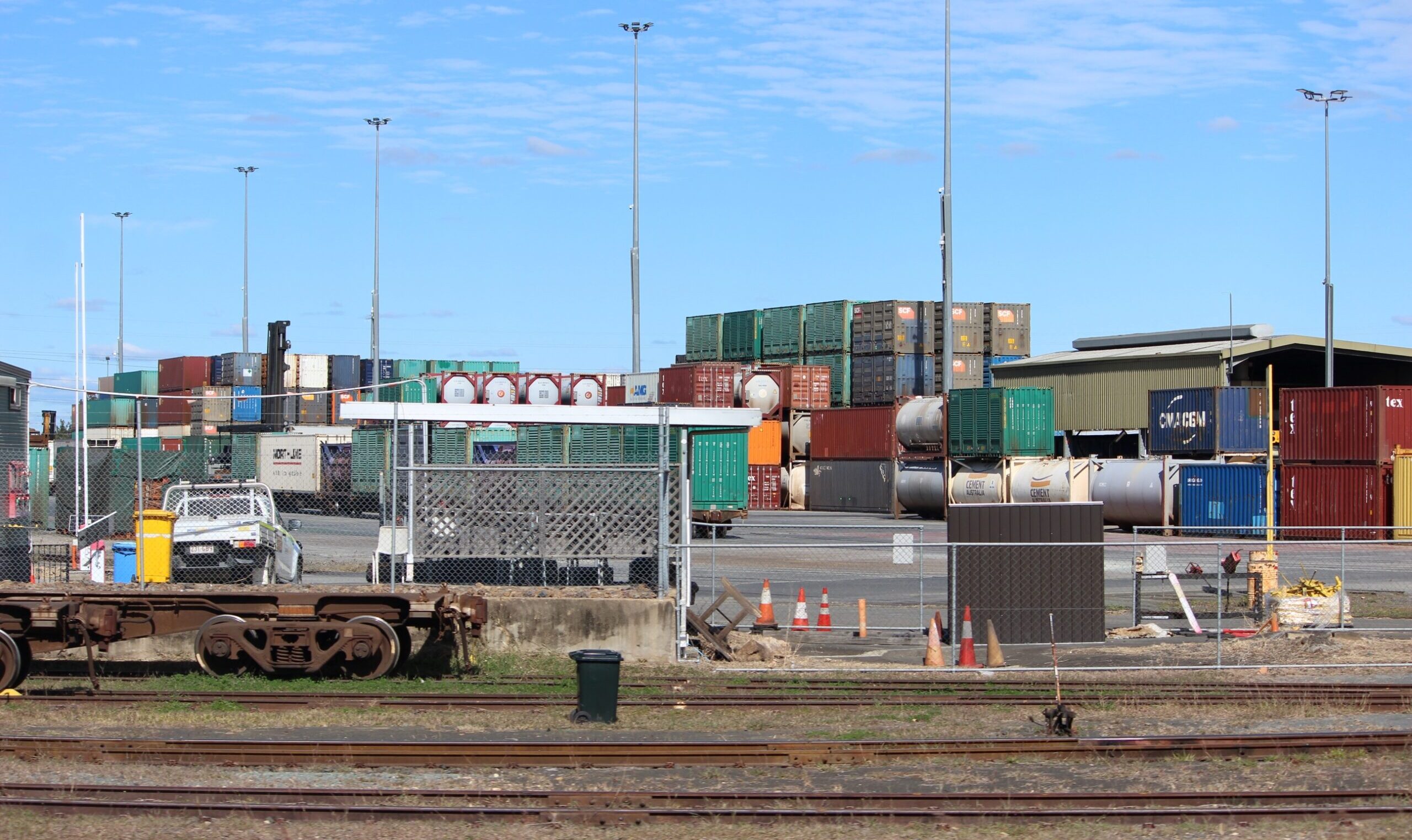
‘Full up’ signs will go up on Brisbane and Sunshine Coast industrial and storage yards within five years, the Property Council of Australia warns.
And it wants prime inner city land close to transport infrastructure like freight rail, ports and airports, and labour to be unlocked.
The warning came after the property council (PCA) and SA1 Property says research reveals that the current supply of industrial land will be full by 2031.
The Industrial Land Supply and Vacancy Outlook 2026 found around 205 hectares of industrial land (about 12 times the size of the South Bank Parklands) will be used annually for five years across Brisbane.
It also found that 96.87% of Brisbane’s industrial outdoor storage space is being used with next to no capacity for businesses wanting yards for equipment, materials, vehicles or other storage needs.
For the Sunshine Coast, it is even worse; see below.
With Brisbane the strongest-performing industrial market on the East Coast as Sydney and Melbourne markets shrink, it says some of the Olympic city’s key industrial precincts now have as little as 3.5 years of land left before the ‘full up’ sign goes up.
It says that since 2019, 3.39 million square metres of industrial floor space has been built while new development and redevelopments nearly totalled $900 million in 2025-26.
‘FULL’ SIGNS ABOUT TO GO UP EVERYWHERE
Property Council Queensland Executive Director Jess Caire says the findings reinforce the need to find more industrial land and in the inner city.
“In 2025, we released our inaugural report, identifying industrial land supply as a critical constraint on Brisbane’s growth. A year later, the problem persists and market pressures have only intensified,” she says.
She says that the support work needed to meet the freight, logistics and construction needs for major infrastructure projects means just about all sites are now full.
“This requires immediate, co-ordinated action between industry and government.
“Employment land cannot simply be pushed to the urban fringe; it must be close to transport infrastructure, freight networks, ports, airports and labour markets,” Caire argues.
“It is not as simple as identifying more land. We need to unlock fit-for-purpose industrial land in the right locations, supported by roads, water and other enabling infrastructure.
Caire also points out that in the 12 months since the 2025 report came out, industrial land values had increased by 44%.
“As land becomes harder and more expensive to develop, we risk limiting the types of projects that can be delivered and the jobs and investment they support,” she claims.
“We’ve also seen rents increase 50% since 2019, adding to the cost of doing business and driving up prices for everyday Queenslanders in the midst of a cost-of-living crisis.
“If we don’t maintain a pipeline of well-located job-creating employment land, we risk pushing up costs for businesses, making it harder for new investment and jobs to flow into South-East Queensland.”
SUNSHINE COAST PRESSURE GROWING
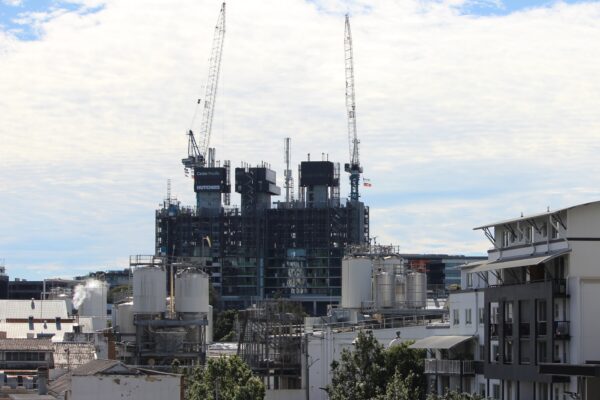
The 2026 research also found that the Sunshine Coast’s pipeline of industrial land is also under pressure with outdoor storage space now at 98.8% of full capacity.
Place Design Group’s Planning Principal Brad Williams says prioritising more industrial land now would sustain existing and future economic and employment opportunities.
“The Sunshine Coast is planning for significant population growth but this report shows that growing communities also need a pipeline of employment land,” he says.
“The Sunshine Coast has significant opportunities emerging in areas like Beerwah South, Yandina East and Corbould Park (but) the report tells us that much of the future supply is either performing an industrial function or will take time to become development ready.”
WHAT THE COUNCIL WANTS
The PCA says there are several policies it wants to see to create more industrial land. These are:
- Inject $500 million into a fund to enable councils and industry buy more land.
- A statewide strategy that delivers ‘well-located’ industrial land and what infrastructure will be needed to make this happen.
- expand exemptions for Australian companies subject to the Foreign Land Tax Surcharge (FLTS).
- State-industry monitoring of industrial land supply.




