
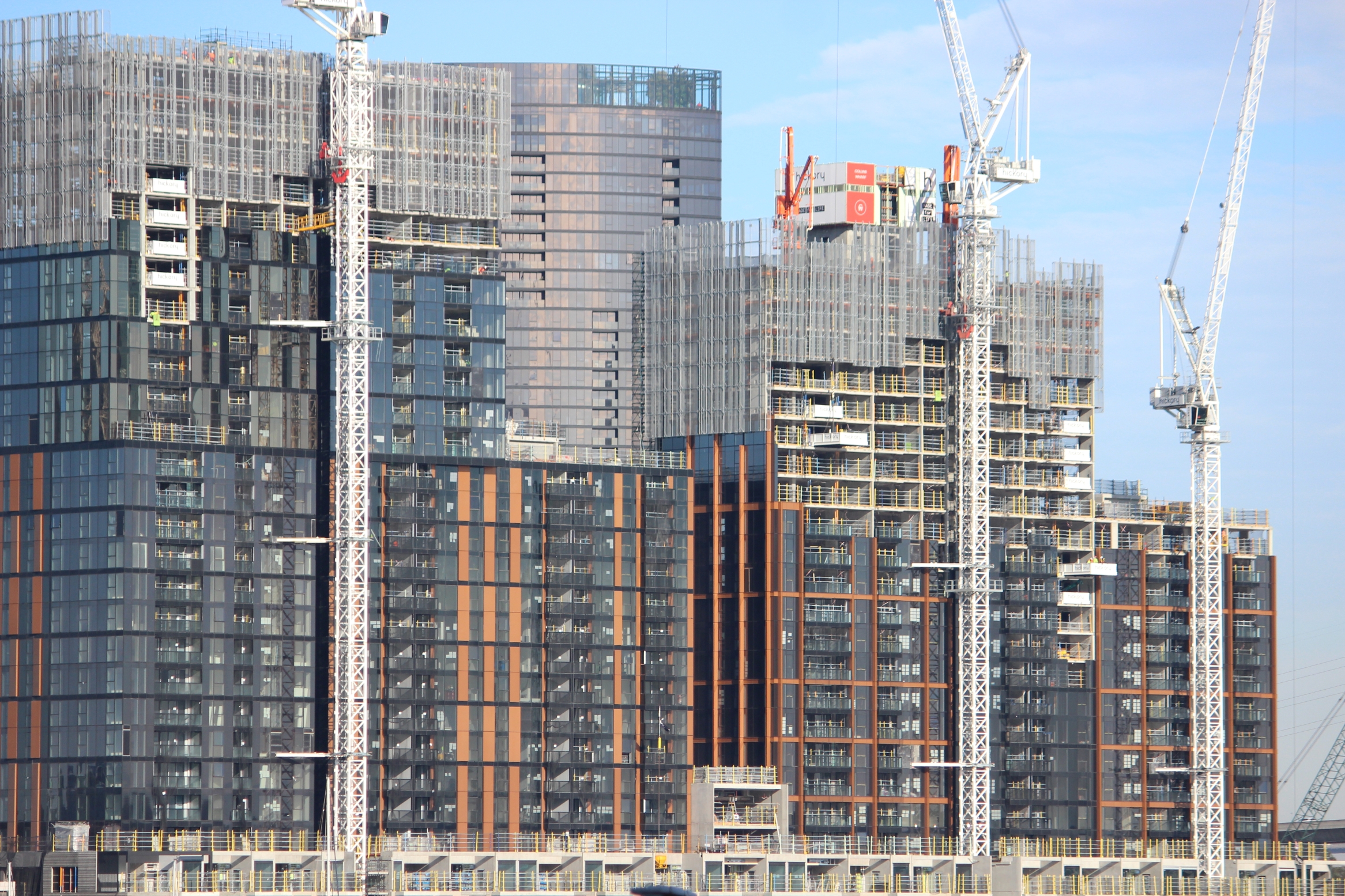
Rising construction costs will rein in Victoria housing plans if nothing is done about it, says a heavy construction materials industry body.
The Cement Concrete & Aggregates Australia (CCAA) made the warning even as it welcomes news of plans for a new suburb at Melton East in western Melbourne.
CCAA Chief Executive Officer Michael Kilgariff says planning the suburb shows why affordable and locally sourced supplies of concrete, cement and aggregates is critical.
“You can’t build new suburbs without construction material,” he says.
“An average new home uses around 110 tonnes of aggregate and more than 50 cubic metres of concrete.
“Multiply that across almost 12,000 homes before considering the roads, bridges and schools, and the importance of local construction-material supply is clear.”
Melton East is part of a 10-year state plan to build 180,000 new homes.
“If we are planning where Victorians will live over the next 20 to 30 years, we also need to plan for where the materials needed to build those communities will come from,” Kilgariff says.
“That means protecting strategically located quarry resources, maintaining a competitive network of large and small operators and creating the conditions for businesses to invest.”
RISING THREAT TO HOUSING TARGETS
The CCAA says that proposed increases to the state’s minerals and extractive-industry fees could mean rising increasing material costs and weakening spending on local production.
It says Melbourne’s CPI rose about 32% since the previous fee review compared to a proposed 234% rise in fees.
“Victoria cannot pursue ambitious housing targets while making it more expensive to operate the quarries supplying the materials those homes depend on,” Kilgariff says.
“This is particularly important for smaller quarry operators. Rising regulatory and operating costs can reduce competition and local supply, resulting in longer transport distances and higher construction costs.
“Costs imposed at the quarry gate do not stop at the quarry gate. They flow through the construction supply chain to homebuyers, infrastructure budgets and taxpayers.
“Approving new suburbs is only part of the equation. More homes require more construction materials. Housing policy and construction-materials policy need to work together.”
The CCAA represents the country’s $20.7 billion heavy construction materials industry worth $20.7 billion and employs 112,970 workers nationally.
NEW PRECINCTS ON THE WAY
Melton East is expected to be home to nearly 12,000 households (or 36,000 residents, seven schools, five bridges, three arterial roads, cycling and pedestrian links. It will be home to more than 36,000 residents.
The government says it will take 20 years to fully establish the new suburb.
It also drafted plans for a 970-hectare Merrifield North logistics precinct that should create more than 4700 jobs in warehousing, transport and logistics sectors.
Planning Minister Sonya Kilkenny says the homes and infrastructure are what “communities need”.
The MP for Melton Steve McGhie says the new projects will allow “more families to call Melton home” while fellow MP Luba Grigorovitch (for Kororoit) says new homes, school, roads and health services will be built for new families.
For more details about the Merrifield North plan or have your say, visit engage.vic.gov.au/merrifieldnorth
RELATED STORIES




