
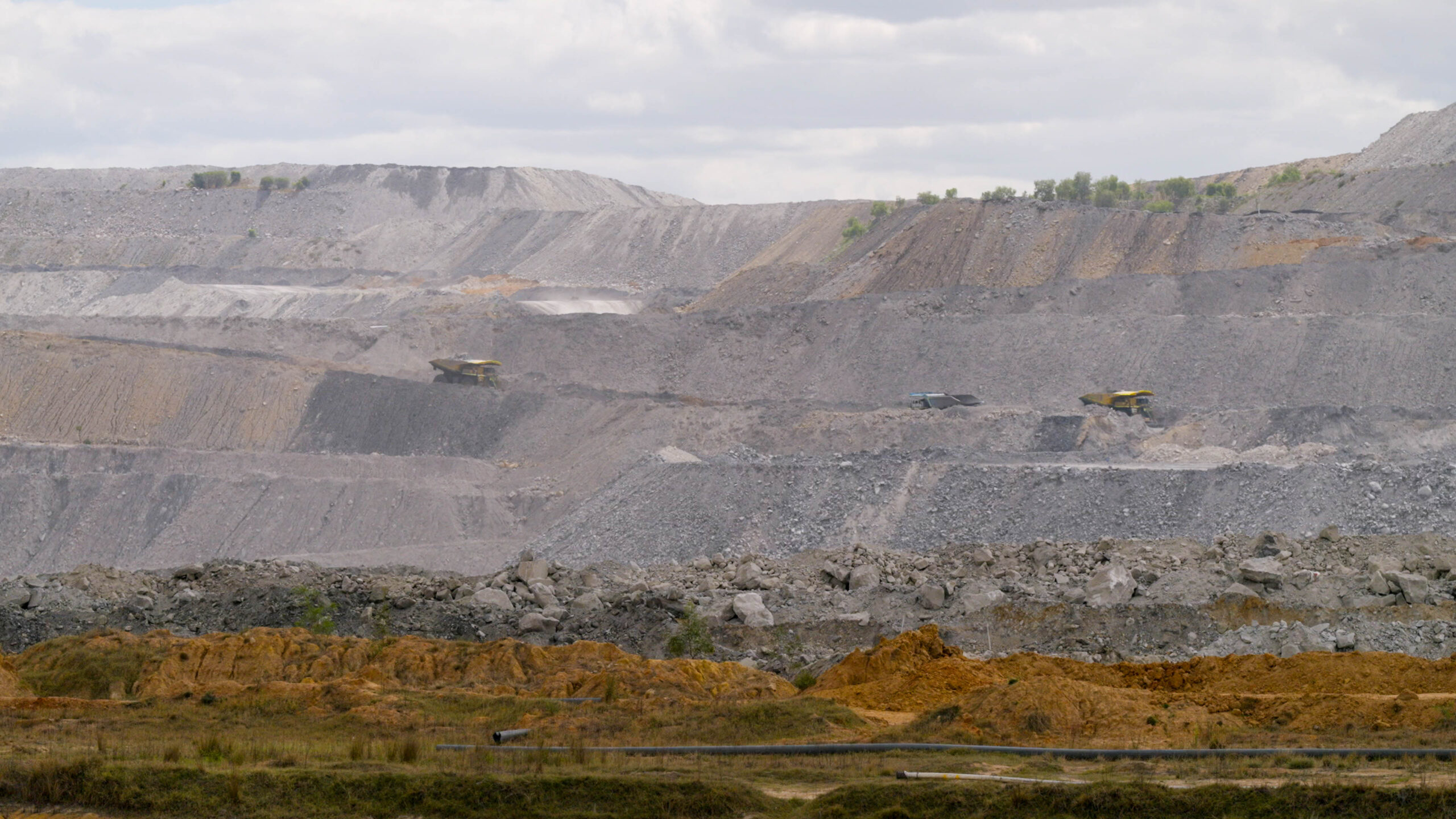
Dust inspectors have begun visiting coal mines in the Upper Hunter region to monitor air quality as part of an NSW Environment Protection Authority (EPA) campaign.
EPA field officers have already visited seven mines and will continue making surprise visits to open-cut mines up to mid-December.
The agency’s Executive Director of Field Operations Steve Beaman says their Bust the Dust campaign ramps up compliance activity during the higher-risk warmer months.
“Last year we saw mines respond appropriately to the changing season including slowing vehicle speeds, operating at lower elevations and standing down equipment when conditions were unfavourable,” he says.
The agency says that in 2025, staff carried out 34 inspections of 12 open-cut mines without issue.
“It’s a positive sign that community reports to the EPA about dust and air pollution have halved since 2023 but there is no room for complacency as the region becomes warmer and drier,” Beaman says.
CHECKING FOR SIGNS OF DUST
“We want to see those standards maintained. Our officers will again be turning up unannounced to make sure the right practices are in place.
“Dust can travel beyond mine boundaries and impact surrounding communities, so operators need to be constantly monitoring the weather and ready to act when it changes,” he explains.
“That can mean deploying water carts on roads and stockpiles, changing how and where work is carried out, or stopping activities altogether during dry and windy conditions.”
Beaman says the agency regulates dust emissions year-round and will act if they discover a breach by mine operators.
A breach of licence can attract penalties of $30,000 for a first offence and $45,000 for further offences.
The EPA campaign follows a strengthening of requirements earlier this year for operators to reduce fossil methane and boost transparency around greenhouse gas emissions.
A community drop-in session will be held in Singleton, NSW, on September 14 for residents to ask questions about the campaign.
The public can report any dust concerns to the agency’s Environment Line by emailing info@epa.nsw.gov.au.




