
Rental stress is continuing to creep up the income scale with even low six-figure salaries not enough to avoid it, new research says.
The finding comes in a 2026 report by housing advocacy group Everybody’s Home which finds lower-paid renters are losing the equivalent of their annual leave in a year.
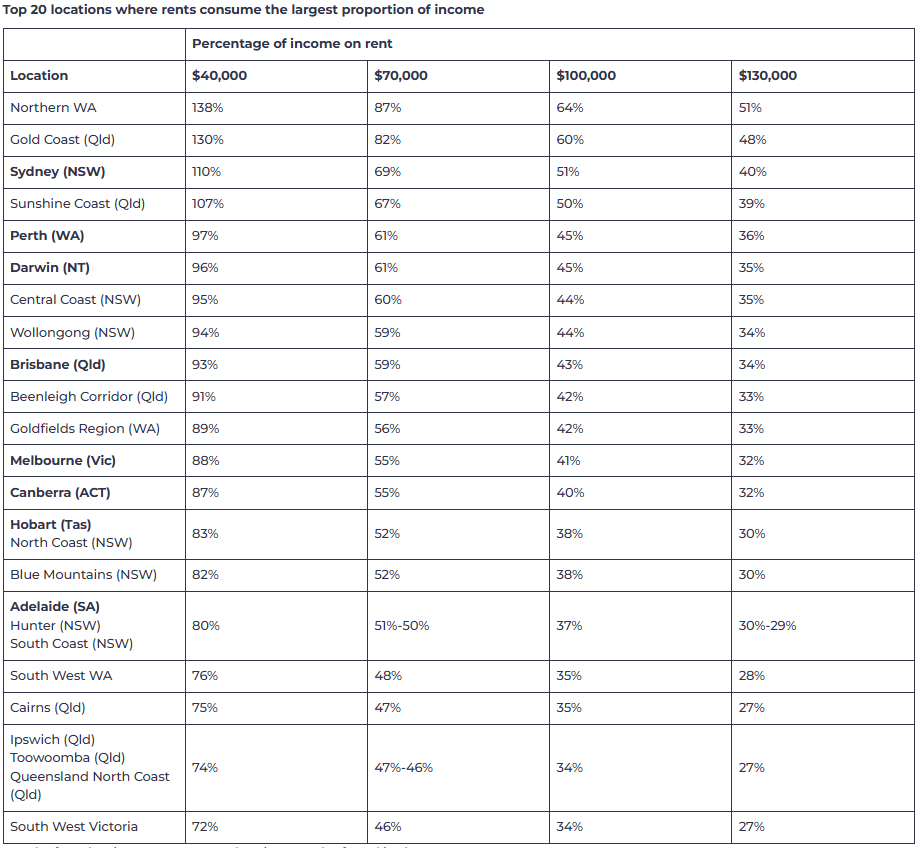
The group’s 2026 Priced Out report is an analysis of rental affordability for workers earning $40,000 to $130,000 annually across capital cities and regional areas.
(Rental stress is defined as accounting for at least 30% of the weekly income, and is the benchmark used by the Commonwealth Rent Assistance program).
REPORT HIGHLIGHTS
- Rents are consuming an increasing proportion of salaries.
- To pay the national median rent, someone on $40,000 needs to spend 89% of their income. For $70,000 earners it’s 56%, for $100,000 earners it’s 41% and for $130,000 earners it’s 33%
- Since last year’s Priced Out report, renters have had to find an extra $48 a week (nearly $2500 a year) to cover the national median rent.
- For a trainee on $40,000, they need to spend nearly 4.5 weeks of their time at work to cover the increase over a year. For a childcare worker on around $70,000 it’s three weeks and for a social worker on $100,000 it’s two weeks
- Northern WA is the most expensive rental location followed by the Gold Coast, Sydney, Sunshine Coast and Perth.
RENTAL STRESS ‘CLIMBING ALL THE TIME’
Everybody’s Home spokesperson Maiy Azize says: “We’ve seen rents rising every year for years now.
“Our rental crisis isn’t a new phenomenon or a policy shock; it’s a long-term trend that’s been compounding, and there’s only so much renters can afford to pay before they hit breaking point.
“Rents have been running away for years with the pain spreading well beyond people on low incomes,” Azize says.
“Essential workers, professionals, and even those on six-figure salaries are finding it harder to pay the rent right across the country.
“Our report shows in capital cities and most regional areas, people on the lowest incomes would have to spend the majority of their income on rent. Middle income earners are losing well over a third of their income to rent in most areas.”
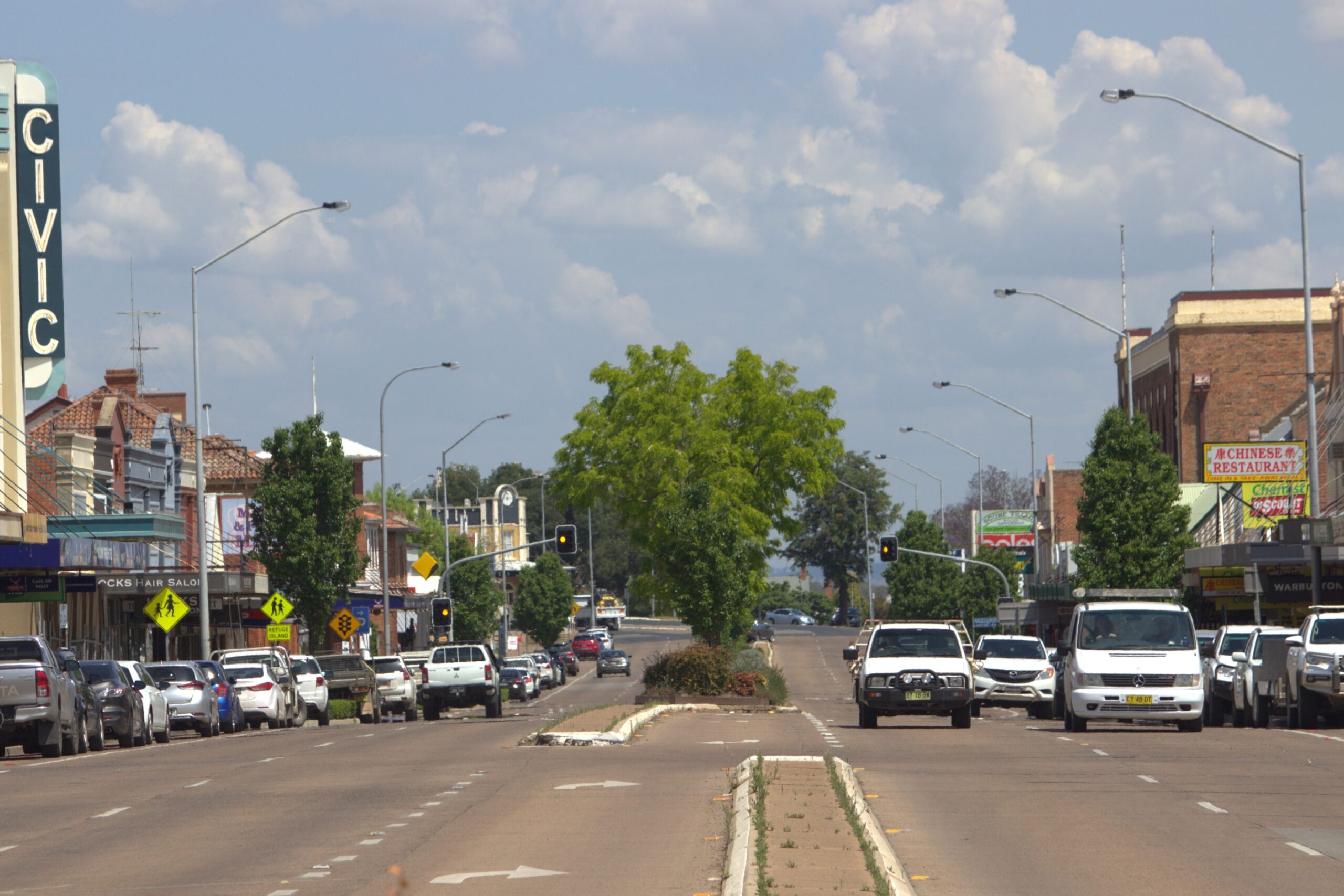
Azize says regional Australia is no longer a rental refuge with rents in many areas much higher than those in capital cities.
“Whether in northern WA or towns on the eastern seaboard, renters are forced to choose which essentials to sacrifice just to make the rent,” she says.
“Workers are losing weeks worth of their time and paycheques to fund rent rises.”
“National rents are almost $50 extra a week compared to 18 months ago”.
Azize says that for someone on $40,000 a year, that rent increase would chew up nearly four and a half weeks of their work year; for most workers, that’s more time than they get off all year.
“These are weeks’ worth of income that can no longer go towards groceries, energy bills, healthcare, childcare or other essentials,” she says.
Azize also points out that renters aren’t paying more for a bigger or better home.
“They are giving up more of their working year to live in the same home they were renting a year earlier or one that’s worse.”
She calls the solution “pretty simple”.
“The federal government needs to build public and community homes at scale. Australia needs nearly one million of these homes within the next 15 years.”
She also says Canberra needs to work with states and territories to limit rent increases and improve standards.




