
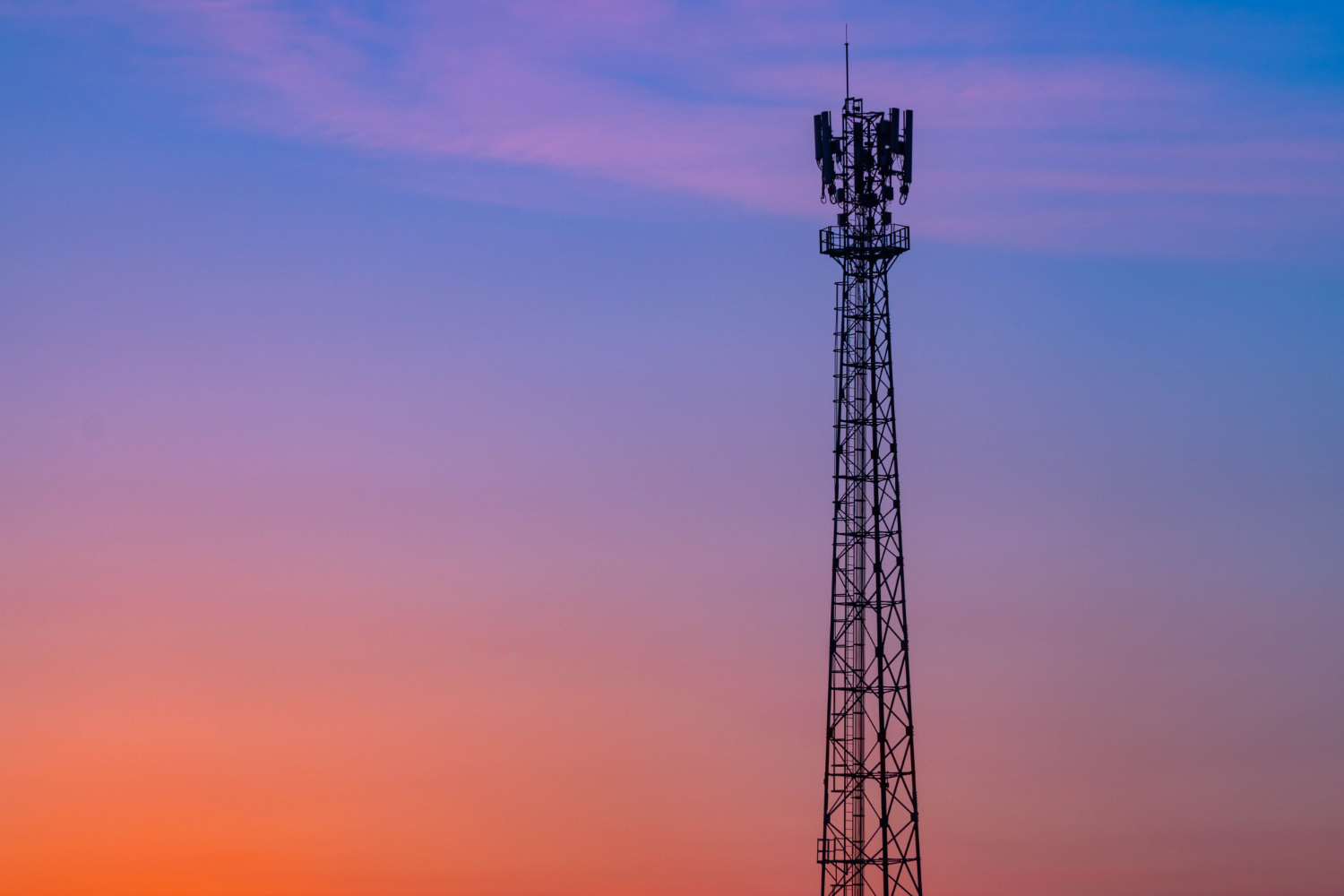
The Universal Outdoor Mobile Obligation is now law. The Telecommunications Legislation Amendment (Universal Outdoor Mobile Obligation) Act 2026 (No. 100, 2026) became law in late October and commenced on 27 October 2026. There is one important catch, though: the headline coverage requirement does not take effect until December 2027.
What has changed under the Universal Outdoor Mobile Obligation
The Act amends three existing laws: the Competition and Consumer Act 2010, the Telecommunications Act 1997 and the Telecommunications (Consumer Protection and Service Standards) Act 1999. It does four main things:
- Universal outdoor mobile obligation: the major carriers must provide baseline outdoor voice and SMS services across the whole country, including areas with no mobile coverage today.
- Temporary disaster roaming: the Act gives the Minister a power to impose a roaming framework so people can use other networks during natural disasters.
- Service standards, benchmarks and rules: for the first time, the Minister can set mandatory standards for mobile service quality and reliability.
- Domestic mobile roaming: the Act sets out a process for considering whether domestic roaming should be regulated.
Who is affected
Telstra, Optus and TPG Telecom automatically become the primary providers responsible for the obligation from its start date. Communications Minister Anika Wells can designate other carriers or service providers, including satellite operators, for particular areas. The mandatory service standards, once made, will also reach smaller providers, including mobile virtual network operators (MVNOs).
For consumers, the biggest gains should be felt in regional and remote Australia. Land-based mobile networks currently cover only about a third of the country’s landmass.
When it starts
The Act itself commenced on 27 October 2026, but its parts start at different times. The coverage obligation begins by default on 1 December 2027. After consulting the three carriers, the Minister can bring that date forward or push it back by 12 months at a time, up to three times. That means it could slip as late as 2030 if satellite technology is not ready.
What the Universal Outdoor Mobile Obligation means in practice
Carriers are expected to meet the obligation by combining their existing towers with direct-to-device satellite services, which let ordinary phones connect to low-Earth-orbit satellites.
The other measures are not yet in operation. According to law firm King & Wood Mallesons, the Minister declared on 29 October 2026 that the telcos’ own disaster roaming arrangements were sufficient, so no government framework will apply for the 2026–27 high-risk weather season.
The mandatory service standards are due within three months of the Australian Competition and Consumer Commission (ACCC) publishing the final report of its mobile services inquiry. On domestic roaming, the Minister must ask the ACCC to consider the benefits for consumers and the effects on investment and competition before any roaming service is declared. In other words, domestic roaming has not been mandated.
Consumer groups, including the Australian Communications Consumer Action Network (ACCAN), have criticised the law for not delivering immediate protections on compensation, reliability and domestic roaming.
The Act is administered by the Department of Infrastructure, Transport, Regional Development, Communications, Sport and the Arts.
For people in the bush, the real test will come in December 2027, when the Universal Outdoor Mobile Obligation is due to switch on.
Also read: Victorian Storm Recovery Grants: $25,000 Lifeline for Growers
General information only, not legal advice. Check the official source before acting.
Source: Federal Register of Legislation. Licence: CC BY 4.0.




