
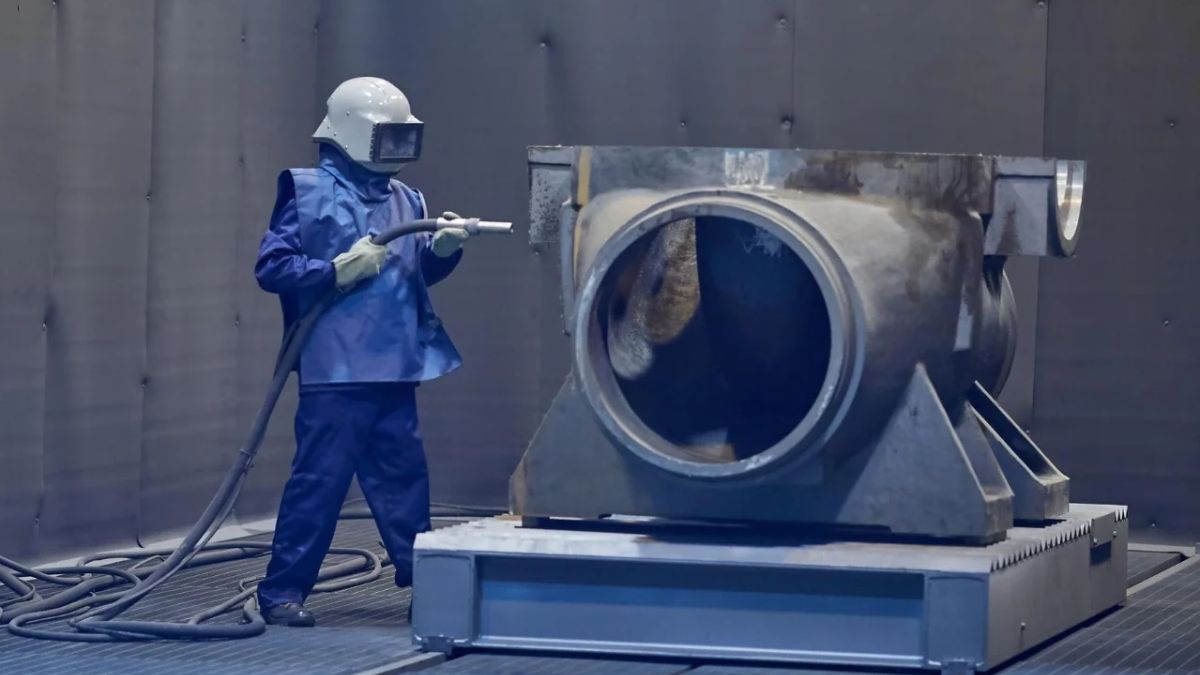
Abrasive blasting code users, take note: Safe Work Australia has published an amended version of the Model Code of Practice: Abrasive blasting, dated November 2026. Throughout the document, the old term “workplace exposure standards” (WES) has been replaced with “workplace exposure limits” (WEL). It is one of 15 model codes updated to support the national move from WES to WEL.
What changed in the abrasive blasting code
The change is mostly about language and alignment. The amended code now points readers to the WEL list rather than the WES list, so the guidance matches the limits that apply from 1 December 2026. Switching from “standards” to “limits” also makes the message clearer: these are levels that must not be exceeded.
Who is affected
The code is aimed at anyone with abrasive blasting processes at their workplace. In practice, that means persons conducting a business or undertaking (PCBUs). It also covers others with health and safety duties, such as designers, manufacturers and suppliers of blasting equipment. Workers will see the new wording too, but the legal duty to keep exposures below the limits sits with the PCBU.
When it starts
The WEL list referred to in the abrasive blasting code takes effect on 1 December 2026, once each jurisdiction has adopted it into its own work health and safety laws. Until then, the existing WES list still applies.
What the abrasive blasting code change means in practice
From 1 December 2026, PCBUs must make sure no one at the workplace is exposed to an airborne contaminant above the level set in the WEL list. A few details are worth knowing:
- Silica: The limits for nine chemicals, including respirable crystalline silica, will not change on 1 December 2026, because ministers did not reach majority support for the proposed new values. Silica dust is central to blasting work, so this is an important detail.
- Transitional arrangements: Some jurisdictions have their own timelines. Victoria, for example, has delayed new limits for 15 substances until 1 December 2029.
- Legal status: A model code only has legal effect in your state or territory once it has been approved there, so check with your local regulator.
The bigger picture hasn’t changed. Whatever the label, you should already be eliminating or minimising exposure to airborne contaminants so far as is reasonably practicable. Now is a good time to check your air monitoring, controls and blasting media against the WEL list and the updated abrasive blasting code before the deadline.
Also read: Free TAFE Agreement: NSW Wins Huge $560M Deal for 160,000 Places
General information only, not legal advice. Check the official source before acting.
Source: Safe Work Australia. Licence: CC BY 4.0.




