
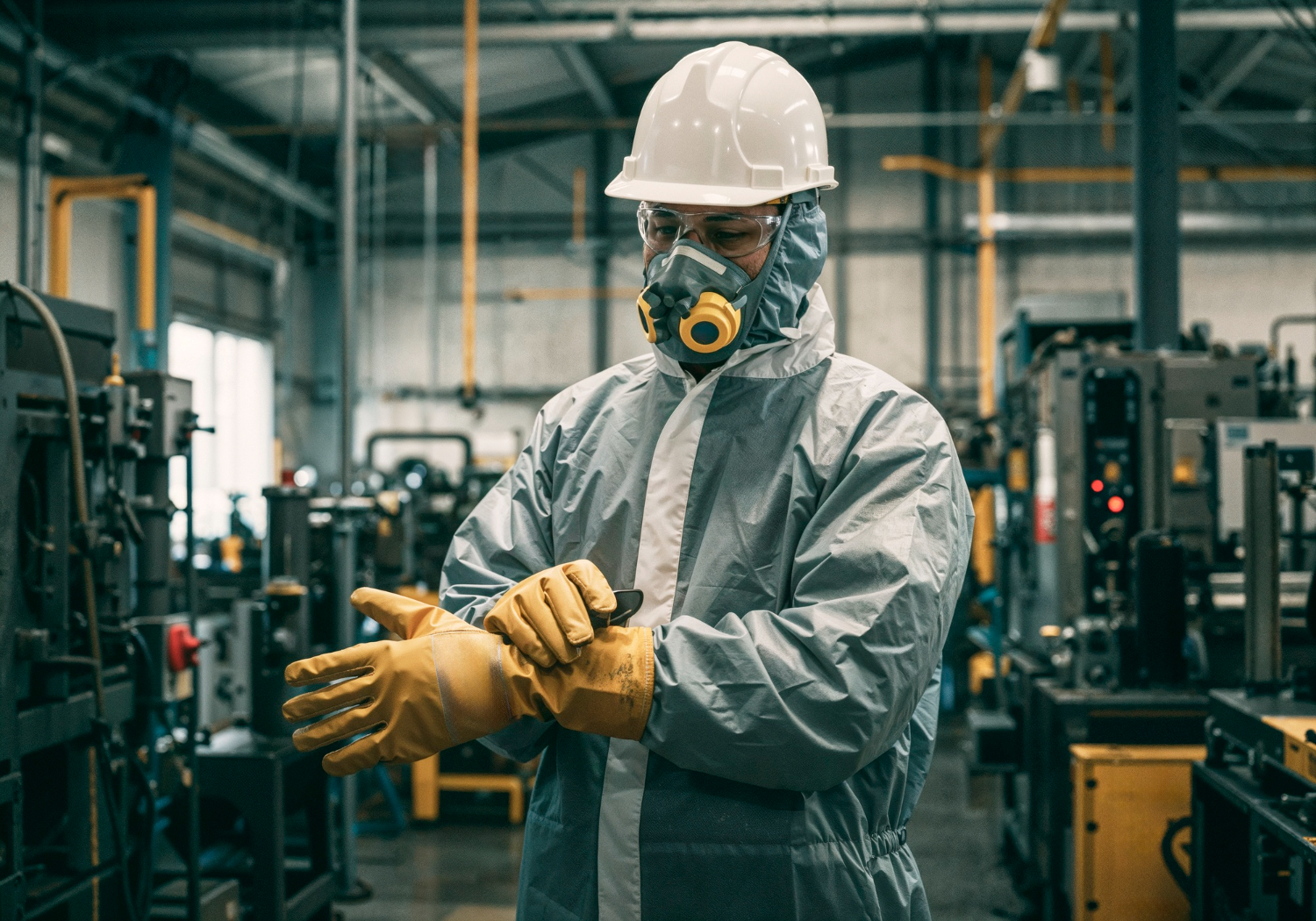
Workplace exposure limits (WELs) for airborne contaminants come into force across Australia on 1 December 2026. Western Australia’s safety regulator has now set out how it will handle the first year of the changeover.
What is changing with workplace exposure limits
From 1 December 2026, Australia will adopt the workplace exposure limits for airborne contaminants. These are the dusts, gases, fumes, vapours and mists that work processes can release into the air. The new term “workplace exposure limits” replaces the familiar “workplace exposure standards”.
Two substances are on hold for now: implementation for phosphine and diesel particulate matter has been deferred.
The revised limits follow a national review. Commonwealth, state and territory work health and safety ministers agreed on a single nationally harmonised start date.
What workplace exposure limits mean for Western Australia
In WA, the first 12 months of the revised limits run from 1 December 2026 to 30 November 2027. On 18 November 2026, the WorkSafe Commissioner published a statement of regulatory intent. It sets out the principles that will guide WorkSafe’s approach during that period.
In short, WorkSafe is taking an education-first approach. It will focus on education, guidance and working with industry to help duty holders get it right. Notices and prosecutions are reserved for cases where education isn’t appropriate, such as serious risks to health and safety. Those cases will be dealt with under WorkSafe’s Compliance and Enforcement Policy.
This isn’t a free pass, though. Duty holders are already required to identify, assess and control the risks from airborne contaminants.
Who is affected
The changes apply to employers and other duty holders whose workplaces involve exposure to airborne contaminants. They are the ones who will need to work to the new workplace exposure limits, and the changes exist to protect their workers. WorkSafe says it will keep engaging with industry, workers and employers to spot any compliance problems early.
Also read: AI Scam Call Bot ‘Alex’ Wants Your Super and 7 Signs Expose It
General information only, not legal advice. Check the official source before acting.
Source: Western Australian Government.




