
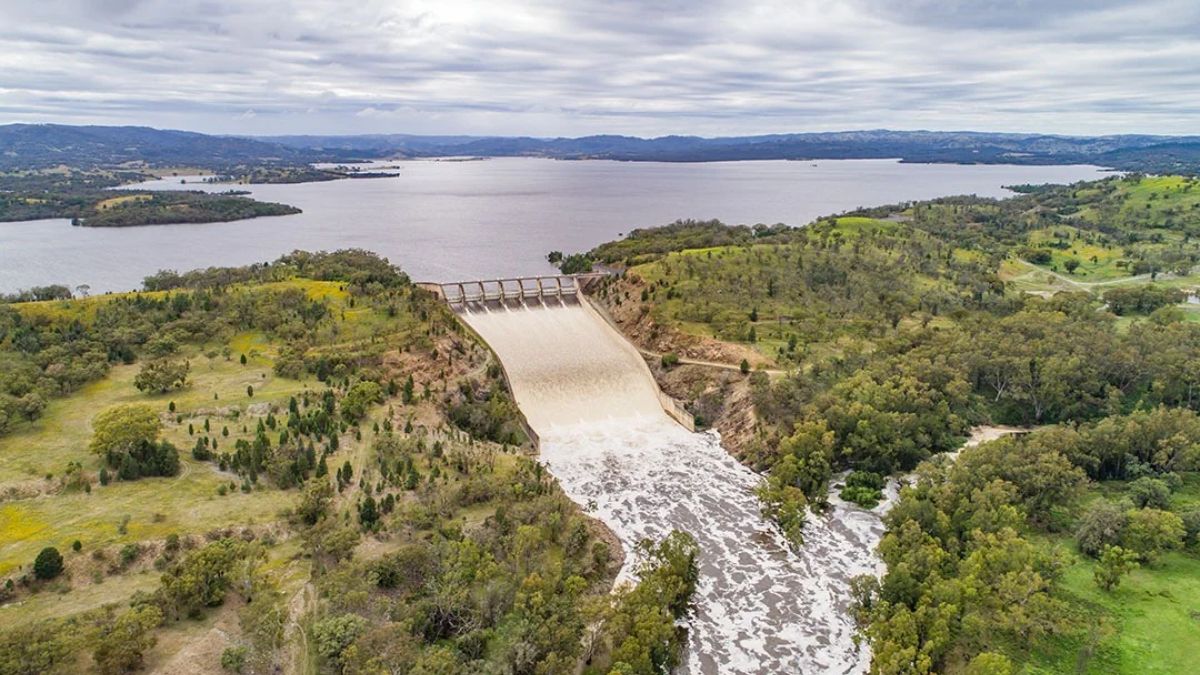
WaterNSW bulk water prices for regional and rural NSW will rise by no more than 10 per cent a year plus inflation over the next four years. That is the outcome of the Independent Pricing and Regulatory Tribunal’s (IPART) final decision, handed down in June 2026. It is a ceiling rather than a freeze. For many irrigators already stretched by higher fuel, fertiliser and power costs, it will still sting.
What changed in WaterNSW bulk water prices
IPART has set the maximum prices WaterNSW can charge for its regional and rural bulk water services, valley by valley. The determination runs for four years, from 1 July 2026 to 30 June 2030. That is one year shorter than the five-year default in IPART’s Water Regulation Handbook. IPART had suggested three years in its draft but settled on four. Four years rounds out the period covered by WaterNSW’s 2024 pricing proposal and gives the NSW Government time for a wider review.
In every valley, annual price increases are capped at 10 per cent plus inflation, including the Murray–Darling Basin Authority and Border Rivers Commission charges. The same cap applies to the Fish River Water Supply Scheme. Not every valley will hit the ceiling, though: IPART expects prices to rise by an average of 6.5 per cent a year before inflation. The Yanco Creek levy, set at $0.96 per megalitre of entitlement, will keep tracking inflation only, as will miscellaneous charges.
On spending, IPART set WaterNSW’s efficient operating expenditure allowance at $290.5 million over four years. That is 13.5 per cent above the 2021 allowance, but $79.9 million (21.6 per cent) less than WaterNSW asked for. The utility had sought a 44.7 per cent rise on an average annual basis, having already overspent its 2021 operating allowance by 13.3 per cent. For capital works, IPART allowed $390.8 million of forecast spending. It also added $365.9 million of efficient historical capital expenditure, from 2020-21 to 2025-26, to the regulatory asset base.
All told, the notional revenue requirement comes to $845.8 million over four years. This is the amount WaterNSW needs to recover its efficient costs, and it includes Murray–Darling Basin Authority and Border Rivers Commission costs. Customers will fund $559.9 million of that and the NSW Government $286.0 million. IPART considers that WaterNSW will likely remain financeable under these decisions.
Who is affected
The new WaterNSW bulk water prices apply to anyone buying bulk water from WaterNSW on the state’s regulated rivers, across the 12 rural valleys and the Fish River scheme. That means:
- irrigators
- local water utilities, and indirectly the town households they supply
- livestock producers
- industrial and commercial users
When it starts
These WaterNSW bulk water prices took effect on 1 July 2026 and run until 30 June 2030, or until replaced.
What WaterNSW bulk water prices mean in practice
Bills will climb by up to 10 per cent a year plus inflation. For general security customers in the North Coast, South Coast, Peel and Lachlan valleys, typical bills are set to rise by around 46 per cent in real terms by 2029-30. Elsewhere the picture is gentler. Macquarie and Hunter bills level off after the first year or two.
IPART admits that affordability remains a major concern and that capping prices will not fix the deeper problems. It has recommended that the NSW Government lead a forward-looking review of the long-term sustainability of the regional and rural water sector. The review would look at WaterNSW’s operating model and obligations, and whether targeted government funding is needed in some valleys or regions.
Also read: NSW Property Agent Reforms Delayed to 2027 as 6 Crucial Changes Take Hold
General information only, not legal advice. Check the official source before acting.
Source: IPART. Licence: CC BY 3.0 AU.