
Key takeaways
- Queensland EPBC inquiry extended by three months, to July 2027, so the 2025 federal reforms can be assessed once more of them take effect.
- EPBC environmental assessments have taken 1,150 days on average, which is more than three years.
- Delays are estimated to cost Queensland up to $7.7 billion a year in lost productivity.
- Offset rules could add up to $40,000 to the price of a new home in a greenfield estate.
- The 12 interim recommendations aim to cut duplication between state and federal processes.
Buying a home on a new estate on Queensland’s growing urban fringe could cost up to $40,000 more because of federal environmental offset requirements. That’s one of the more striking findings from the Queensland EPBC inquiry, whose interim report was released on 25 November 2026. The independent Queensland Productivity Commission found that federal environmental assessments were taking an average of 1,150 days, and the state government has now given it three more months to finish the job.
What changed in the Queensland EPBC inquiry
The state government commissioned the inquiry to examine how the federal Environment Protection and Biodiversity Conservation Act 1999 (EPBC Act) affects infrastructure delivery in Queensland. It will now run until July 2027, following a three-month extension announced by Treasurer David Janetzki. Some major elements of the Commonwealth’s 2025 EPBC reforms have yet to commence. The extra time will let the Commission assess their full impact and gather further feedback from industry.
Who is affected
The report focuses on infrastructure, but its findings reach well beyond roads and rail. Delays linked to EPBC requirements are estimated to cost Queensland up to $7.7 billion a year in lost productivity. That is a considerable sum against the state’s record $119 billion infrastructure pipeline. The Commission also found that Queensland has consistently had one of the highest EPBC referral rates. Its projects are also more likely to be declared “controlled actions”, which require full assessment.
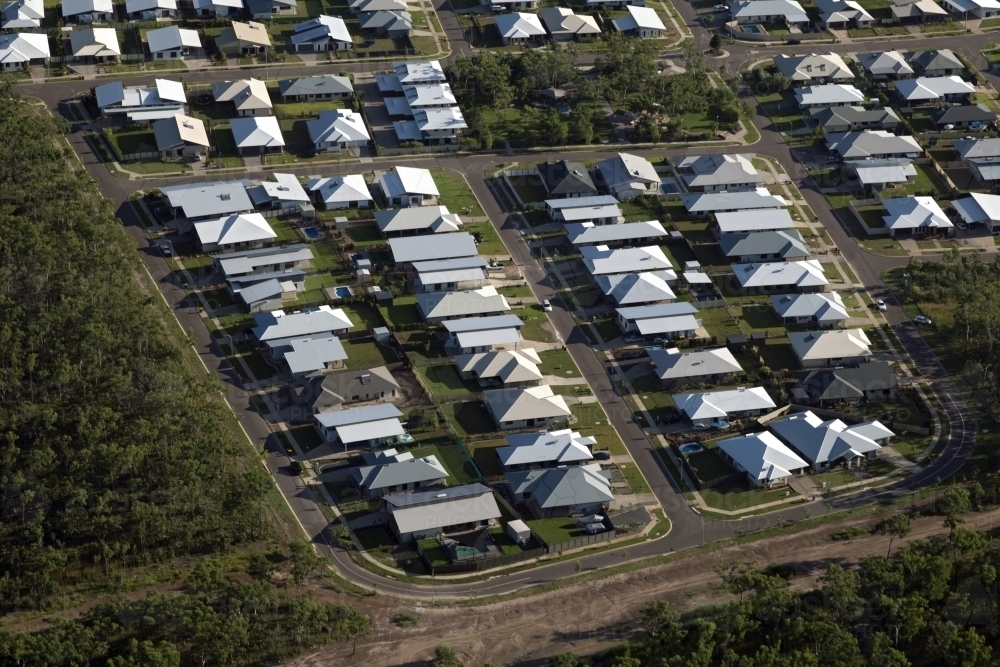
For households, offset requirements could add up to $40,000 to homes in greenfield developments. Farmers feel it too: new vegetation management rules are estimated to cost Queensland agriculture up to $41 million a year. The Treasurer said the system was already imposing delays and costs on farmers, regional communities, homebuyers and businesses. He argued that the 2025 changes risk adding further uncertainty.
Timeline
The interim report was published on 25 November 2026, and the inquiry will continue until July 2027. The media statement confirms that some major parts of the 2025 EPBC changes have yet to commence, but it doesn’t give their start dates.
What it means in practice
Nothing changes for applicants just yet. The 12 interim recommendations are proposals, which the Queensland Government says it will now consider. They aim to remove duplication between state and federal governments in several ways:
- renewing and expanding Commonwealth–State assessment arrangements
- better aligning offset schemes
- using Queensland vegetation codes to streamline low-risk land-management activities
Anyone planning a project that may need EPBC approval should keep an eye on the Queensland EPBC inquiry as it heads towards its final report.
Also read: SMSF Annual Return Must Be Lodged by 28 February 2027 to Avoid Costly Penalties
General information only, not legal advice. Check the official source before acting.