
Reforesting is going underwater with plans under way to turbocharge a restoration project to bring crayweed back to Sydney’s coastline.
The NSW Government is supporting the University of NSW’s Operation Crayweed by licensing more than 20 Crown land marine sites for restoration; the sites stretch from Whale Beach (Northern Beaches) to Little Bay (Eastern Suburbs).
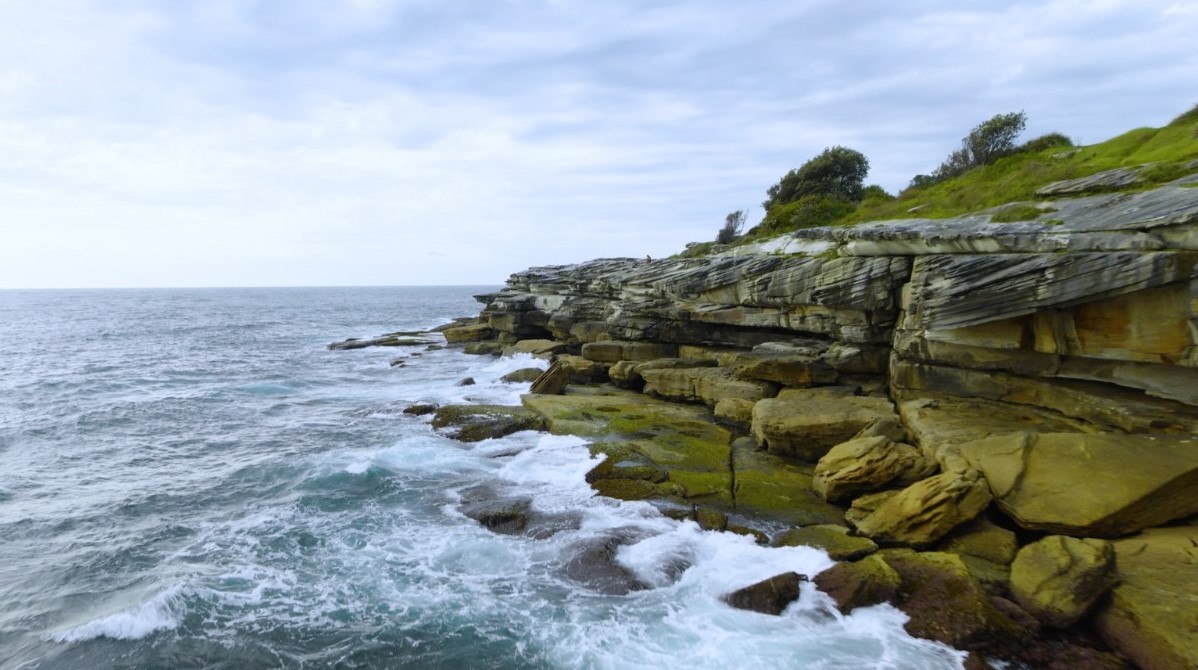
Scientists from UNSW and the Sydney Institute of Marine Science are transplanting crayweed into a forest on a two-hectare Crown site around Wylie’s Baths at Coogee Beach.
The UNSW is inviting the public to help name the forest; three names have been shortlisted — Yanggaa, Dhanj and Coogee Kelp forests — by the public, swimmers, surfers, divers, students, academics, Randwick councillors and the Aboriginal community’s Gamay Rangers.
Voting is now open at www.forestswithoutnames.com; the results will be revealed on April 23, the government says.
NEED FOR REFORESTING
UNSW marine ecology professor and project co-founder Adriana Verges says “this kelp forest is teeming with life just beneath the surface, supporting species like blue groper and giant cuttlefish, while capturing carbon and recycling nutrients”.
“By naming it, we hope to connect people with this thriving ecosystem and inspire its protection and restoration,” she says.
Lands Minister Steve Kamper says the naming process “help highlight the importance of healthy marine ecosystems”.
He says the government is “thrilled” to support the reforesting efforts of Operation Crayweed.
“Programs like Operation Crayweed build better communities by bringing experts, volunteers and locals together to make a real, tangible difference to our much loved marine environment.”
The name “Coogee” is believed to derive from a Dharawal word referring to the smell of seaweed on the beach; yanggaa (“lobster”) and dhanj (“fish”) are also Dharawal words.
Operation Crayweed works by taking fertile plants from strong populations and fixing them onto barren reefs using biodegradable mats.
Once settled, they reproduce and create “craybies”, young plants that will regenerate underwater forests naturally.
Restoration sites now span Maroubra, Wedding Cake Island, Dee Why and other coastal locations; some areas are already experiencing crayweed booms, the government says.
ABOUT CRAYWEED
Vast crayweed (Phyllospora comosa) underwater forests once existed along Sydney’s coastline.
It remains abundant in northern and southern NSW.
It disappeared from 70km of Sydney coast in the 1980s and never recovered naturally even as after deep‑ocean outfall pipes dramatically improved water quality in the 1990s.
Its loss stripped waters of a critical foundation species that provided habitats, nursery grounds and nutrients.
Crayweed supported everything from abalone and rock lobsters to carbon capture. Source: NSW Government.
MORE MARINE NEWS: Oyster reefs can help protect from algal blooms




