
Australia’s defence force is bigger, stronger, deadlier and better able to protect the country and its national interests.
That is the assessment Chief of the Australian Defence Force (ADF), Admiral David Johnston, in a roundtable talk with media.
The new strategy is expected to focus on drone and other robot capabilities with up to $15 billion spent on it over the next 10 years; click here for more about that.
He looked back on the ADF’s achievements as they prepare for the new National Defence Strategy to be unveiled tomorrow (Thursday).
He says global and domestic news are making Australians more aware of defence and security issues.
“They don’t need to be national security specialists to know and feel that the world is different from what it was a few years ago,” he says.
DEFENCE ACHIEVEMENTS
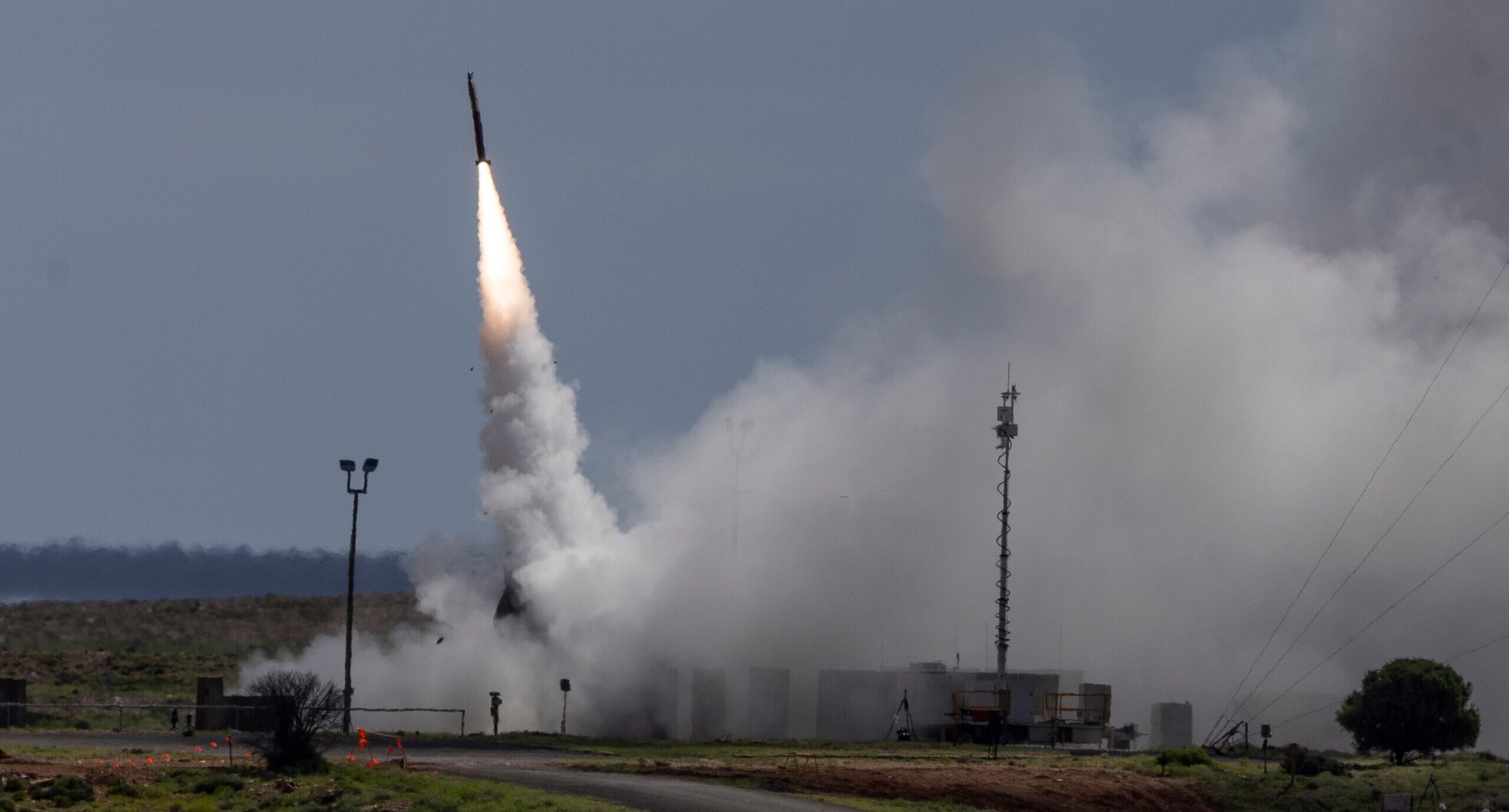
Admiral Johnson says that over the last 18 months the Navy successfully test fired Tomahawk and other strike missiles at sea, the Air Force test-fired a new long-range anti-ship missile from a Super Hornet, the Army fired a precision strike missile from Australia’s first High Mobility Artillery Rocket System (HIMARS) launcher, the Navy took delivery of Ghost Shark robot submersibles and the Ghost Bat unmanned aircraft shot down an aerial target.
Admiral Johnston also highlighted new capabilities:
- The commissioning of the first of the Navy’s six Arafura-class offshore patrol ships, continual work to prepare for AUKUS nuclear-powered submarines and the choice of Japan’s upgraded Mogami-class frigate.
- The Army took delivery of the first of its seven locally Boxer combat patrol vehicles and its first Apache attack helicopters as a new Black Hawk helicopter fleet achieved operational readiness.
- The RAAF took delivery of three Triton drones, two new Peregrine airborne warning aircraft and a 13th Poseidon anti-submarine aircraft.
Admiral Johnston said the Defence force also grew: As of March 1, there were 62,653 full-time permanent personnel, he says, the highest since 2002 as recruitment practices improved and separation rate (currently at 7.5%) fell.
“Separation rate comprises involuntary separations (those who we seek to leave) and people who choose to leave. The voluntary separation rate is around 4.8%. It’s very healthy at the moment,” he explains.
Defence has signed new treaties with Papua New Guinea and Indonesia as it hosted the largest Exercise Talisman Sabre yet with 40,000 personnel from 19 countries.
National defence strategies are released every two years.
RELATED DEFENCE STORIES
Australia to spend $1.7 billion on Ghost Shark fleet




