
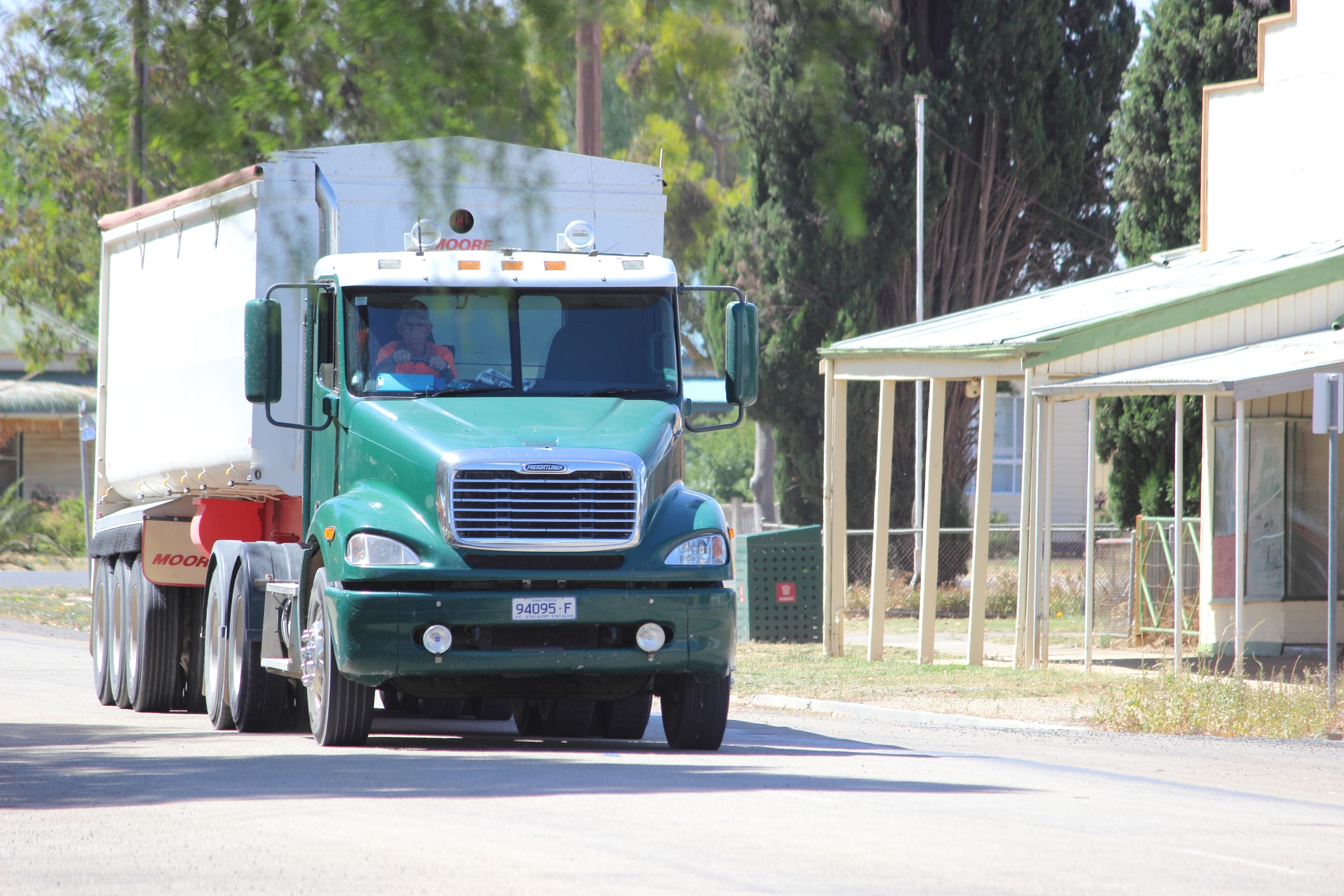
NSW transport operators warn that poor-quality emergency fuel coming into the country can damage trucks, raise costs and disrupt supply chains.
The warning came in a joint statement from Road Freight NSW (RFNSW), Refrigerated Warehouse and Transport Association of Australia (RWTA), Bus Industry Confederation (BIC), Waste Contractors and Recyclers Association of NSW (WCRA), International Freight Forwarders and Customs Brokers Association of Australia (IFCBAA) and Fuel and Infrastructure Management Australasia (FIMA).
The group say that a shift to alternative or emergency fuel introduces new risks for operators across NSW.
RFNSW Chief Executive Officer Simon O’Hara says that as the fuel crisis escalates, the issue is no longer just about price and supply; it is about quality as well.
“Industry is increasingly concerned about the variability in fuel entering the Australian market, particularly as supply expands beyond traditional sources,” O’Hara says.
The coalition says emergency fuel imports may come from countries where diesel specifications differ to Australia’s standard (less than 10ppm sulphur).
Higher sulphur fuels and inconsistent composition can create serious compatibility issues for modern heavy vehicles, they point out.
“Even small changes in fuel quality can lead to engine damage, blocked filters, reduced performance and ultimately trucks being taken off the road,” O’Hara says.
TRANSPORT INDUSTRY WORRIES
The IFCBAA reinforced the need to maintain strict standards.
“It is imperative that strict, standards-based monitoring of emergency fuel imports into Australia is maintained during this crisis,” IFCBAA Chief Executive Officer Scott Carson said.
“IFCBAA has many business members that operate their own transport fleets and rely on diesel fuel every day.
“Both fuel supply reliability and quality are equally critical as our members continue to service the domestic components of Australia’s international trade movements.”
The RWTA says fuel consistency is critical to maintaining Australia’s ‘cold chain’.
“For the cold chain, fuel reliability is essential to maintaining refrigeration across transport and storage,” its executive officer, Marianne Kintzel, says.
“Any variability increases the risk of equipment failure, temperature breaches and food loss. Regulators must ensure all fuel entering the market meets required performance standards and is appropriately verified.
“Confidence in fuel quality is essential to keeping this critical service operating safely and without disruption.”
Freight operators already report that the issue is causing concern on the ground.
“They’re (drivers) being forced to fill up without knowing exactly what they’re getting,” O’Hara explains.
Ann Lopez of Lopez Bros Transport, a 100-year-old Sydney Port carrier, says: “Our trucks are our livelihood.
“If the fuel isn’t right and something goes wrong, the cost of repairs and
downtime can be devastating, especially when margins are already so tight.”
The transport groups want priority given to quality involving stronger monitoring and clearer standards for emergency fuel imports.
They also called on operators to be more proactive with fuel management as risks rise including regular testing, watching for water contamination and proper maintenance of storage systems; these includes ensuring fuel is free from haze, testing for water and microbial growth and periodic laboratory tests.
The RFNSW says poor storage practices, including mixing fuels from different sources or moisture in tanks, can increase the risk of engine problems.
“Our freight operators are already under immense pressure. The introduction of inconsistent or substandard fuel risks compounding that burden and undermining the reliability of the entire freight network,” O’Hara says.
PM REASSURES AFTER REFINERY FIRE
Meanwhile, Prime Minister Anthony Albanese says that a fire at a Geelong refinery has had an impact on fuel supplies: click here for more on that story.
“The advice we’ve received is that 80% of diesel production is continuing, 80% of aviation fuel is continuing but has been slowed down just slightly … with 60% of petrol production proceeding,” he told a press conference at the Viva refinery at Corio.
He also pointed to other fuel supply deals that have been reached in the last day including BP joining Viva, Ampol, IOR and Park in an agreement with Export Finance Australia to release more fuel.
“This follows the 100 million litres we were able to secure in two lots, from Brunei and South Korea, over the past 24 hours,” he says.
Energy Minister Chris Bowen also says they have 116 days’ worth of Avgas in stock for smaller aircraft.
OTHER FUEL NEWS: Excise tax cut in half as Canberra eyes offshore deals




