
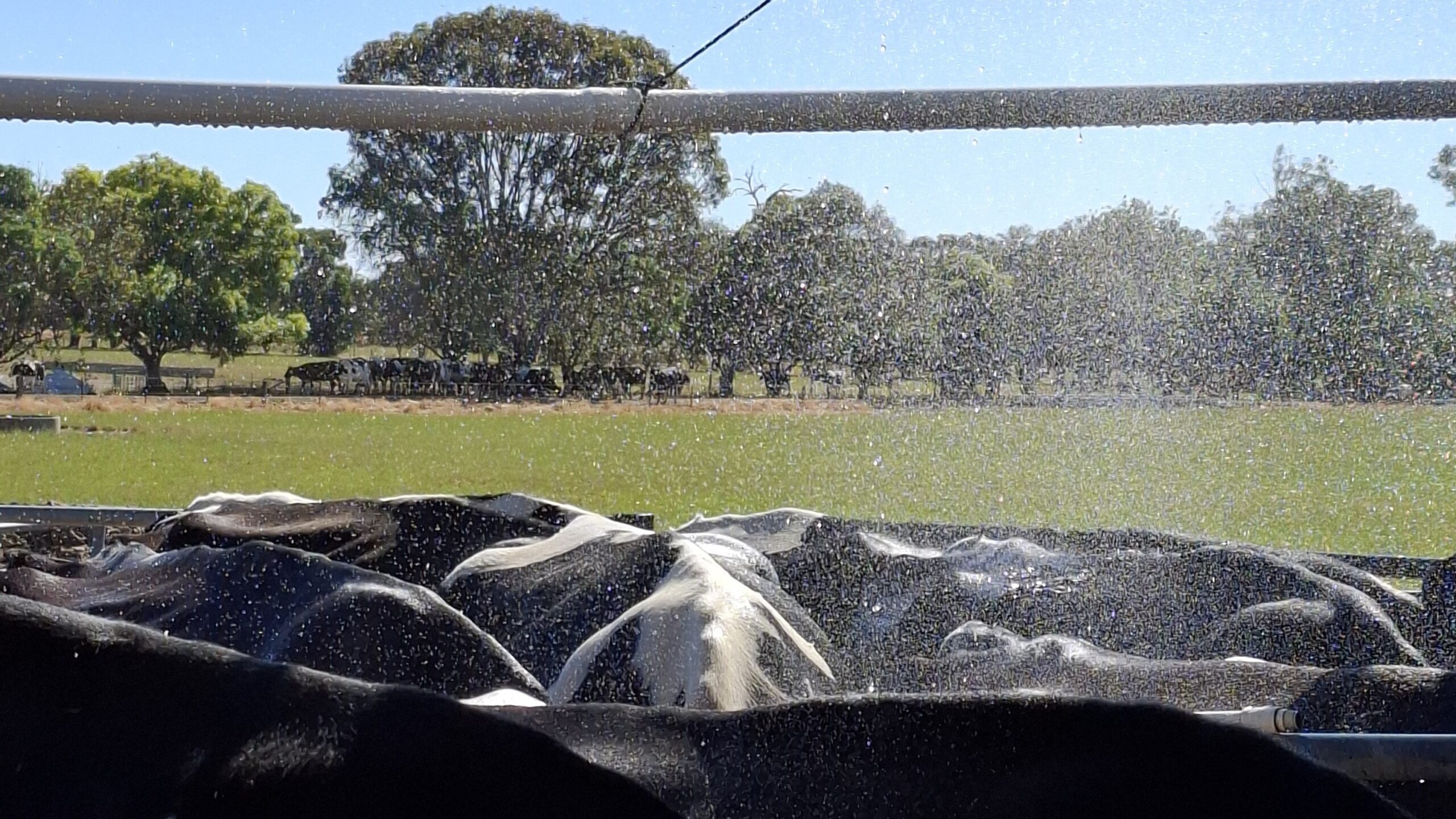
The growing toll of increasing heatwaves on the agricultural industry will be the subject of a new research project.
The Charles Darwin University (CDU) project will study the impact of hotter temperatures on farm workers and productivity, operational costs, crop and livestock production, and the long-term sustainability of agricultural businesses in Australia.
Farmers, farm managers, agricultural workers, contractors and others in the agricultural industry are invited to take part in an anonymous survey of the effects of hotter temperatures.
The study itself is part of wider research efforts backed by Natural Hazards Research Australia, whose focus is on strengthening the nation’s resilience to natural hazards and climate risks.
IMPACT OF HEATWAVES
The principal investigator, CDU senior research Fellow Professor Kerstin Zander, says the research will fill a major gap in the understanding of the real-world impact of extreme heat on agriculture and food security.
“While drought traditionally received significant attention in agriculture, the impacts of extreme heat and heatwaves on workers’ health and productivity, as well as farm operations remain comparatively underexplored,” she says.
“This is particularly important as Australia experiences more frequent and intense heatwaves, placing growing pressure on essential food-producing industries and regional communities.”
CSIRO JOB CUTS
News of the project comes even as the CSIRO reportedly prepares to dismiss 100 climate scientists in a move that many predict will substantially reduce its ability to make future forecasts: click here for the report. The impact of the cuts as touted by management have been dismissed by staff who say Australia will no longer be able to contributed to global climate projections.
The survey is designed to examine the human and operational aspects of the impact of heat across different agricultural sectors such as horticulture, cropping, viticulture and livestock production.
Professor Zander says that the findings could support evidence-based policy development, improve planning and strengthen climate resilience.
She wants agricultural workers to take part in their survey to ensure a diverse response.
Research Assistant Amila Udage says the project combines climate resilience research with practical agricultural challenges.
“Extreme heat is not only an environmental issue; it is increasingly becoming a labour, productivity and economic challenge for agricultural businesses,” he says.
The study will investigate how heatwaves affect daily farming operations, worker health, production systems and decision-making.
The project will also identify emerging adaptation practices used by farmers that cover operational changes, heat-mitigation practices and future technological responses.
Detailed information can be accessed on the survey page: http://go.cdu.edu.au/frdq. Participants may also volunteer for a follow-up interview to further discuss their experiences, the university says.
OTHER AGRICULTURE NEWS: Testing times for industry in 2026, says Rabobank




