
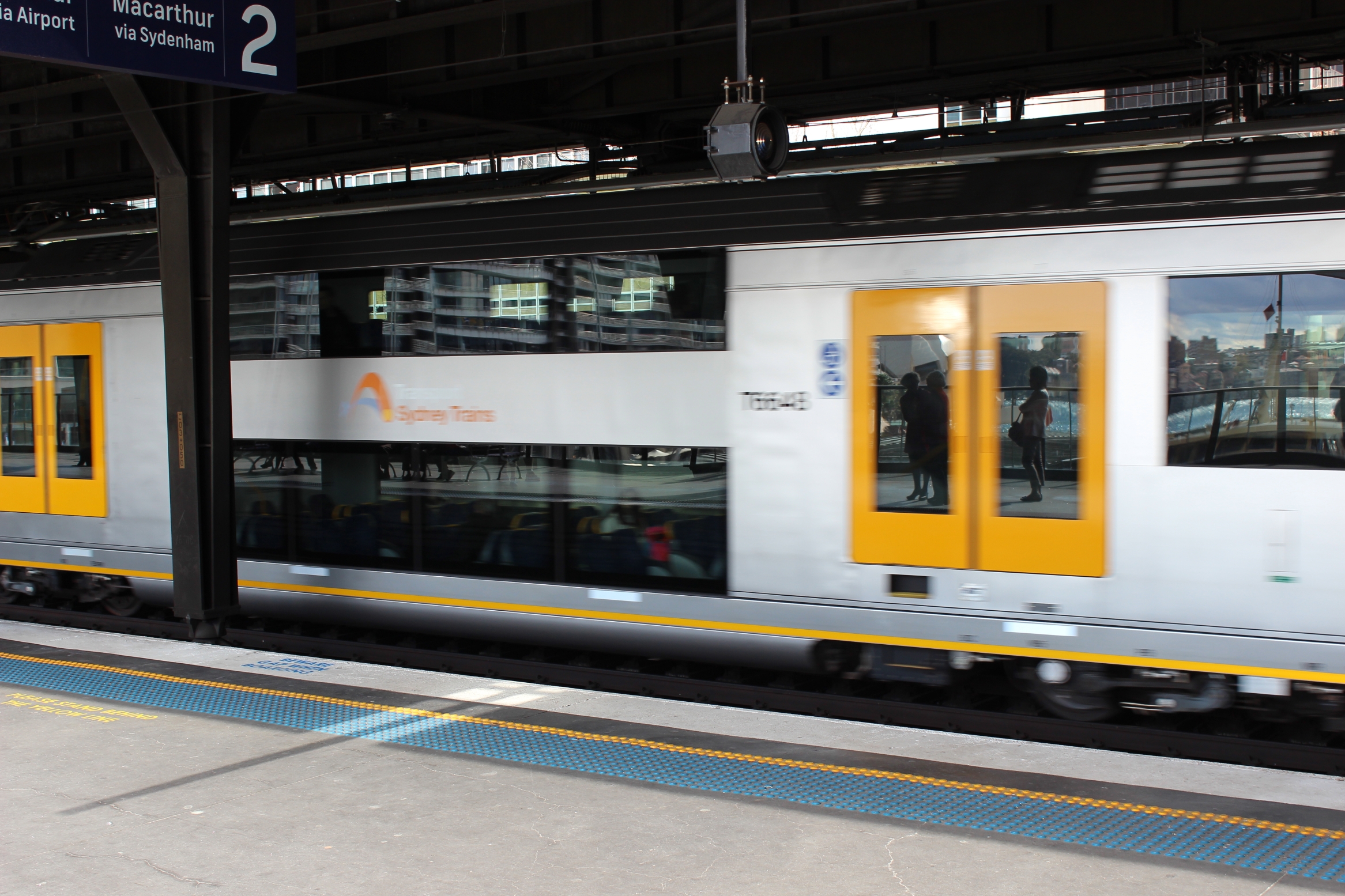
Train manufacturing in the Hunter is to be rebuilt after the state government says it will spend $12 billion on a new factory and 15-year pipeline of rolling stock.
And Newcastle will playing a key role in a $447 million project to refurbish Sydney Trains’ fleet of double-decked Tangara trains.
The current fleet is due to be replaced by new ones from the proposed Hunter facility.
The government says a state-owned train manufacturing facility will be in the Hunter and operated by a private manufacturer.
Two potential sites have been identified: a former coal mine at Teralba and Broadmeadow Locomotive Depot near where the Tangara fleet was made between 1986 and 1998; the government has indicated it will talk to Glencore about possibly buying the Teralba site.
Government says the new plant will anchor more than 30 years of building after a new Tangara fleet is built, the Millennium and OSCAR fleets will be replaced in the 2040s, then the Waratah fleet in the 2050s.
The new site is expected to employ up to 780 workers in construction and 550 ongoing jobs in the facility and supply chains.
(The government will also spend $6.5 billion over 10 years on a pipeline of new electric buses and charging infrastructure.)
TRAIN PROJECT ‘ONE FOR THE FUTURE’
NSW Premier Chris Minns says the project is one for the ages.
“We’re not announcing a one-off order of trains. We’re building a long-term pipeline of work that gives industry the confidence to start investing in NSW …”
Transport Minister John Graham took a swipe at the previous government’s decision to offshore manufacturing contracts:
“The Liberals sent billions of dollars and thousands of jobs offshore; this is a big step forward in rebuilding our train manufacturing industry so that more wages and jobs go to the people of NSW.”
He says the Hunter facility will ensure future fleets are fit for purpose “unlike the former government’s procurement strategy where overseas trains didn’t fit our tunnels or tracks”.
Minister for Domestic Manufacturing and Government Procurement Courtney Houssos says they are “rebuilding an industry that once powered this region and giving it a secure pipeline for decades to come”.
“We are using the Government’s purchasing power to back local manufacturers, local workers and local supply chains,” she says.
“We know that manufacturing jobs don’t stand alone. For every job in the factory, a further three and a half are created in the supply chain; we want those jobs in NSW.”
Brad Pidgeon, state Secretary of the Australian Manufacturing Workers Union NSW branch, says: “This marks an important moment in our campaign to bring train manufacturing jobs back to NSW.
“A dedicated state-owned train building facility in the Hunter, and this steady long-term fleet pipeline, will translate to decades of secure highly skilled manufacturing jobs for local workers,” he says.
TANGARA BACK IN NEWCASTLE WORKSHOPS
Tangara trains are returning to Sydney and Newcastle rail yards to get 10-15 more years’ operating life out of them.
Work has started on the first of 18 Tangara trains that will be refurbished at the Cardiff Maintenance Centre by a 120-strong workforce.
The $447 million refurbishment program involves replacing internal cladding, computer systems, more accessible emergency help points, emergency door release, passenger visual displays, upgrades to the intercom and CCTV cameras.
Over the next three years, five production lines at Auburn, Flemington and Cardiff (two) will refurbish 55 eight-car Tangara trains.
MORE SYDNEY TRAIN STORIES:
$2.1 billion boost to improve services
DIY e-bikes banned from network




