
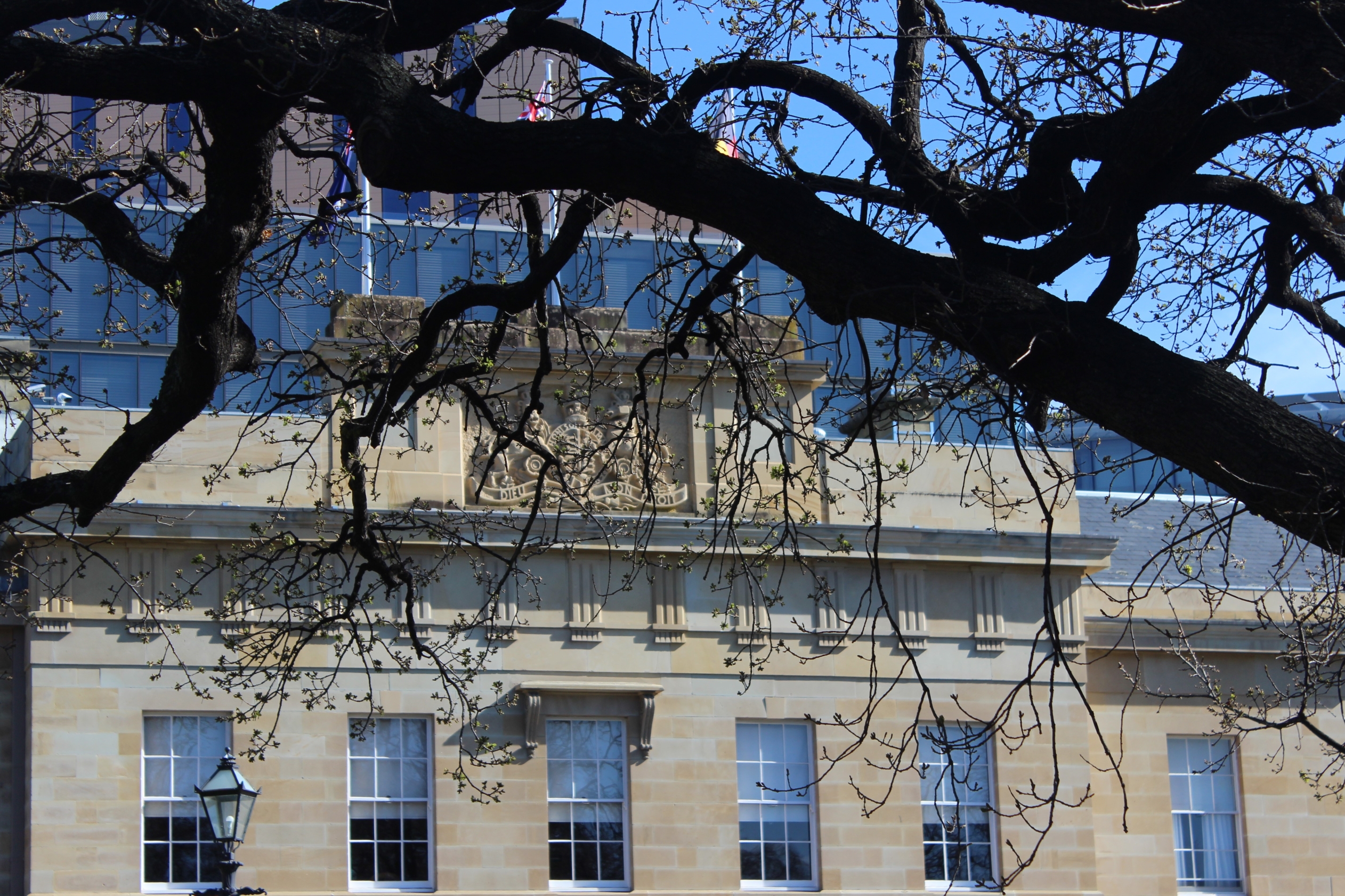
Jail sentences have tripled for anyone convicted of damaging war memorials in Tasmania in the wake of damage done to a memorial earlier this year.
A MP’s private bill was amended in the Upper House to lower the jail term to a maximum three years before it was passed by state parliament.
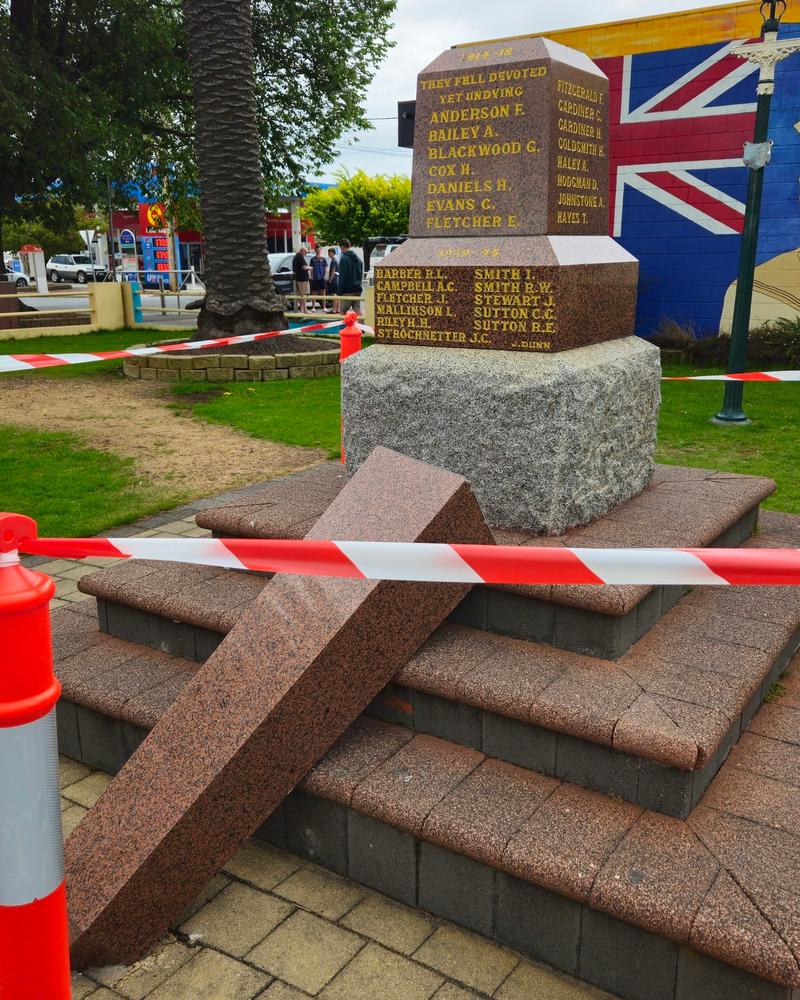
It follows damage done to a war cenotaph at St Helens, 167km east of Launceston, earlier this year.
Bill author and MP for Bass (Liberal) Michael Ferguson claims the new laws are the most thorough in the country.
“The vandalism of the St Helens Cenotaph earlier this year was deeply distressing for the community and for many veterans across the state,” he says.
“The damage is much more than property crime.”
Ferguson reportedly sought a seven-year jail term but it was amended by the Legislative Council; click here for that story.
He describes the act as “an affront” to the memory of the war dead and “an insult” to the community.
“On the 60th anniversary of the Battle of Long Tan (Vietnam), the passage of this legislation sends a clear message that we will not tolerate vandalism of the memorials that honour our veterans,” he says.
EXTRA JAIL TIME FOR DAMAGING MEMORIALS
The new laws will allow for a maximum three year jail sentence, restitution and community service.
“I want to particularly thank RSL Tasmania for their engagement and support, as well as Clair Norton from the St Helens RSL Sub-Branch for her advocacy,” he says.
RSL Tasmania chief executive officer John Hardy claims the new Bill sends a clear message that desecration of war memorials will not be tolerated in the state.
“Our cenotaphs and war memorials are sacred places of remembrance,” he says.
“They carry the names of Tasmanians who left their families, towns and communities to serve our nation, including many who never returned home.
“When we protect these memorials, we are not simply protecting stone and bronze,” Hardy says.
“We are protecting the memory of those who served, the sacrifice of their families, and an important part of the history and identity of the communities they called home.
“This Bill sends a clear message to Tasmanians that our war memorials matter. The people they commemorate matter. Their service and sacrifice matter,” Hardy says.
“Tasmania will protect the places where we remember them.”




