
Key takeaways
- NSW veterinary law has had its biggest overhaul in more than 20 years, after the Veterinary Services Bill 2026 passed NSW Parliament.
- Mobile vets and telehealth consultations get a clear legal pathway for the first time.
- Veterinary nurses and technologists will be formally recognised and registered.
- A modernised complaints process aims to settle disputes faster, with less stress for vets and owners.
- Vets dealing with mental health concerns will get more support to stay in the profession.
In September 2021, veterinarian Dr Sophie Putland died by suicide. Her family set up the charity Sophie’s Legacy to campaign for better support for people working in a profession under heavy strain. Last week, that work helped shape the most significant change to NSW veterinary law in more than two decades.
“These new laws will save lives – and they cannot wait,” said her father and the charity’s co-founder, Garry Putland.
The Veterinary Services Bill 2026 passed NSW Parliament, the NSW Government announced on 18 November 2026. It modernises rules that largely date back to the Veterinary Practice Act 2003, and it responds to a 2024 parliamentary inquiry into the state’s vet workforce. Not every change will necessarily apply straight away, so check the NSW legislation website for commencement dates.
What the new NSW veterinary law means for mobile and telehealth vets
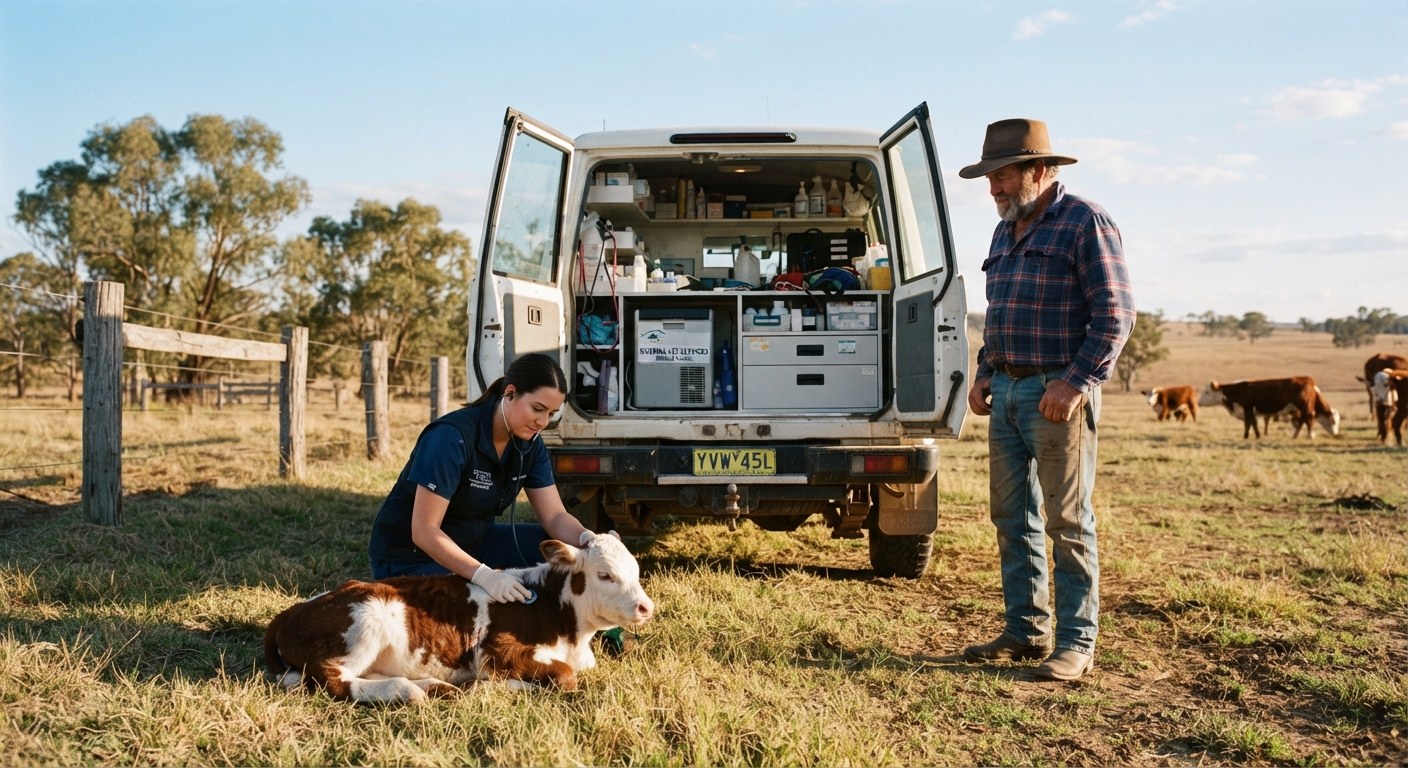
Vet shortages affect city suburbs and country towns alike. The Bill sets out a clear pathway for mobile veterinary services and telehealth consultations. That should make it easier for farmers in regional NSW, and pet owners in the cities, to get help for their animals sooner.
Recognition at last for veterinary nurses and technologists
For the first time, veterinary nurses and technologists will be recognised under the regulatory framework, with registration, clear roles, responsibilities and professional standards. In practice, owners can be confident that the people looking after their cats, dogs, cattle or sheep are properly trained and held to account. Vets, meanwhile, can spend more of their time on complex cases.
Licensing under the new NSW veterinary law will cover all veterinary service businesses, including practices, hospitals and allied animal care businesses, so owners can see who is properly licensed.
Complaints handling and staff wellbeing
A modernised complaints process is designed to resolve disputes between veterinary professionals and animal owners more quickly, and to spare both sides the stress of a long, drawn-out investigation.
The legislation also takes a more supportive approach to managing personal impairments among vets, including mental health concerns, so they can stay in the profession and keep caring for animals.
Agriculture and Regional NSW Minister Tara Moriarty said the changes were designed to reduce unnecessary pressure on veterinary teams while maintaining professional standards and protecting animal health and welfare.
Who backed the changes to NSW veterinary law
The reforms were welcomed by Animal Welfare League NSW, Sophie’s Legacy, the Australian Veterinary Association and the Veterinary Nurses Council of Australia. Animal Welfare League NSW said easier access to care could help owners get advice early, before an animal’s health or welfare becomes a crisis.
The NSW Government will soon launch an awareness campaign, Caring for your pet, starts with caring for your vet. It will encourage animal owners to think about the wellbeing of the professionals who look after their pets and livestock.
If this story has raised concerns for you or someone you know, contact Lifeline on 13 11 14 (24/7)
Also read: WaterNSW Bulk Water Prices Capped at 10% a Year: What Irrigators Need to Know
General information only, not legal advice. Check the official source before acting.
Source: NSW Government. Licence: CC BY 4.0.