
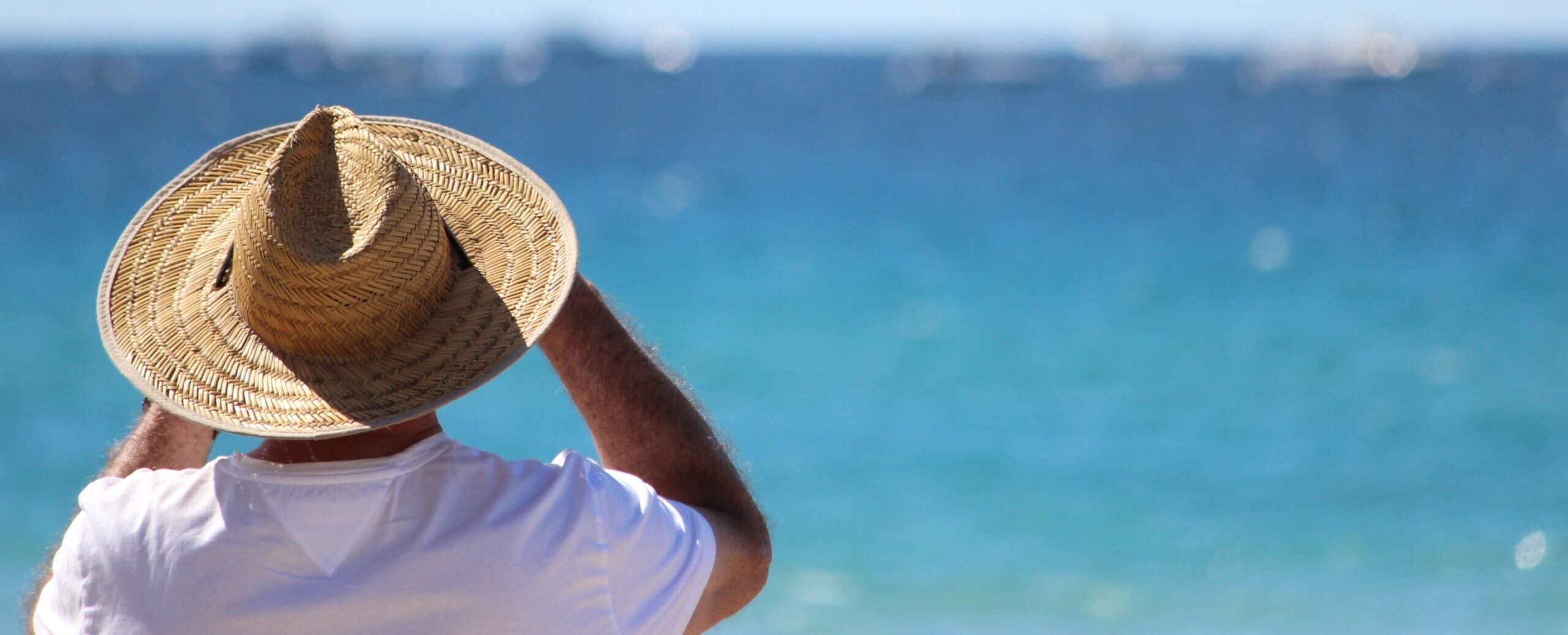
A new report from the institute estimates that almost one million adults across NSW were sunburnt at least once in a four-week period.
The latest Sun Protection Behaviours Report just released shows 15% of those surveyed say they were sunburnt compared to 12% in the previous report.
Young people were more likely to be sunburnt; one in four of 18-24 year olds reported sunburn in a four-week period and they are also less likely to behave protectively like wearing a hat and sunglasses.
INSTITUTE’S FIVE STEPS TO PROTECT AGAINST UV
- Slip on protective clothing.
- Slop on SPF50+ sunscreen (apply 20 minutes before
heading outdoors and re-apply every two hours). - Slap on a wide brimmed hat.
- Seek shade.
- Slide on sunglasses.
NSW Health Minister Ryan Park says the new report is “a good reminder” to take protective measures in the outdoors.
“Being sun smart isn’t just for summertime. Skin damage is still a serious risk in winter when you often don’t think about harmful UV because the weather is cooler,” he says.
“Australia has one of the highest skin cancer rates in the world. We need to take the threat of skin cancer seriously and follow the simple, life-saving steps needed to reduce our risk of this deadly disease.”
MP for Coogee Marjorie O’Neill says the UV index “can be high even in the cooler months”.
“I’m particularly concerned about the high sunburn rates among young people,” she says.
“We know habits formed early can last a lifetime. That’s why the work of the Cancer Institute NSW is so important, especially for younger generations.”
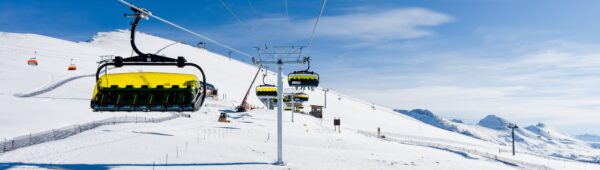
UV THREAT IN WINTER
NSW Chief Cancer Officer and institute chief executive Professor Tracey O’Brien says two-thirds of Australians will be treated for skin cancer in their lifetime.
“Skin cancer is the most common cancer affecting young Australians so it is worrying to see that an estimated one in four young people report getting sunburnt,” she says.
“In NSW, UV radiation levels are high 10 months of the year so even in winter, adopting sun protection behaviours is essential, particularly at high altitudes and on reflective surfaces such as snow or ice.”
CANCER MUM’S ADVICE
Grace Passfield is a mother who was diagnosed with stage four melanoma in 2021 at age 33.
“As a young mother with two small boys, being diagnosed with metastatic melanoma was a huge shock, it was my worst nightmare,” she says.
Passfield has some advice for those in the sun.
“As well as wearing sunscreen, hat and long sleeve shirts, I encourage everyone to be aware of the UV each day and avoid being outdoors when it is really high,” she says.
“I think as a parent, it’s important to model our behaviours to our kids and to always wear sun protection, in the same way we insist they do.
“It’s also important that everyone knows their own skin and what’s normal for them and takes the time to get regular skin checks.”
The report analysed data taken from the 2022 NSW Health Population Health Survey, which asked about 13,000 people to report on their sun exposure, episodes of sunburn, adoption of the five sun protection behaviours and the ease of finding shade at public parks.
More details on reducing your risk of skin cancer can be found on the Cancer Institute NSW website.
- More than 80% of respondents used at least one form of sun protection though only 35% always or often used three or more.
- The rate of exposure to the sun for more than 15 minutes when UV is at its highest fell among NSW adults overall from 46 to 41%.
- Ninety-five per cent of melanoma and 99 per cent of non-melanoma skin cancers result from overexposure to UV radiation from the sun and can be prevented.
- Protect your skin from the sun when the UV index is at three or above, which in NSW is most of the year including winter.
- Close to 50% of young adults (18 -24 years) reported higher levels of sun exposure, compared to 41% overall.
- Almost 26% of young adults were sunburnt — nearly 15% for the wider population.
- Almost 50% of males were likely to report sun exposure while 34% of females were likely.
- Participants in Sydney metropolitan local health districts (LHDs) were significantly less likely to report often or always being exposed to the sun, compared to coastal and regional/rural health districts.
- The ease of finding shade fell by 3% to 77%.
Source: Cancer Institute of NSW
[/dt_vc_list]