
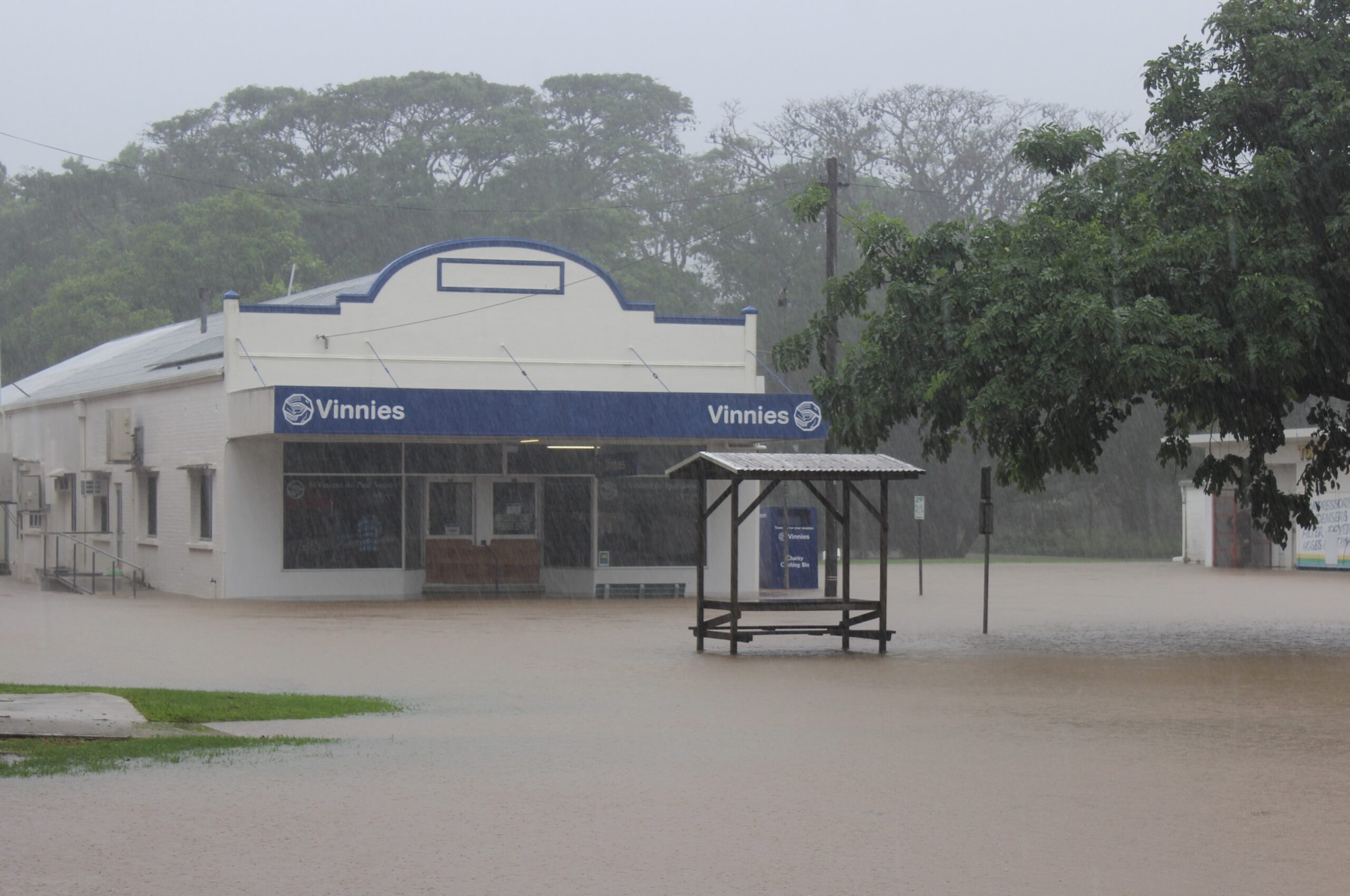
Rising sea levels and more severe coastal flooding will damage Queensland the most with a national damage bill likely to hit $855 billion by 2100, says the Climate Council.
The council’s new Rising Seas, Rising Bills report finds that climate pollution from coal, oil and gas extraction is expected to raise the average sea level with 267,000 properties and two million hectares damaged this century.
Climate Councillor, climate scientist and report co-author Adjunct Professor Andrew Watkins says Tropical Cyclone Alfred’s landfall across south-east Qld in 2025 should serve as a warning.
“When (TC) Alfred hit in 2025, families watched their beaches disappear overnight. It cost the Gold Coast (City) $35m in beach repairs and communities up and down the coast are still recovering from the damage,” he says.
“This is how sea level rise packs a punch; by increasing the impacts of storm surges and coastal flooding that’s hitting communities harder, and more often.
“The science shows that the most extreme sea levels we see in a typical year now will occur monthly by 2090. That’s simply too often to repair the damage,” Watkins says.
FUELLING A RISING THREAT
“Every time we burn coal, oil and gas we’re turning up the heat in our oceans and raising sea levels even higher.
“Powerful storm surges are riding on higher seas, putting more coastal homes at greater risk of flooding every year. This report warns us to expect economic losses in Australia to skyrocket into hundreds of billions of dollars.”
Watkins also highlights another rising threat to coastal communities.
“Worryingly, we can’t rule out sudden changes to ice sheets pushing sea levels much higher than the conservative estimates used in our report,” he says.
“Coastal flooding and erosion is already costing communities and looming as a major, national disaster. Every action matters.
“Our political and business leaders must cut climate pollution faster, and better prepare coastal communities for the sea level rise already locked in.”
Regions identified as most at risk from the rising threat are: Gold Coast (Qld), Kimberley (WA), East Melbourne (Victoria), northern NSW, North Central (SA), South West (NT) Launceston/North East (Tasmania); see the report for more locations
REPORT FINDINGS:
- The economic cost will range from $230.5bn for Western Australia down to $7.9bn (Tasmania).
- Queensland faces the largest losses at $214.5bn than Victoria ($167bn), NSW ($150.7bn), South Australia ($49.2bn) and Northern Territory ($35.2bn).
- Queensland has the highest number of at-risk properties (93,157) followed by NSW (71,210) and WA (51,366).
- The Gold Coast faces $84.4 billion in projected economic losses as the single most exposed urban area in the country.
- Most homeowners will wear the costs of flooding as standard home insurance generally doesn’t cover ‘actions of the sea’.
Report co-author and University of Melbourne Professor Tom Kompas says towns and suburbs are unprepared for what’s coming.
“Because carbon emissions have remained too high, we have already locked in a certain level of sea level rise,” he says.
“Our least costly option is to avoid building in places where we know the risks are highest and there’s a lot we can do to restore our coastlines and build in ways that reduce future risks.”
Click here to visit the council’s website




