A memorial avenue for Queensland’s war dead is turning 100 years old and one Brisbane suburb will host a subdued commemoration.
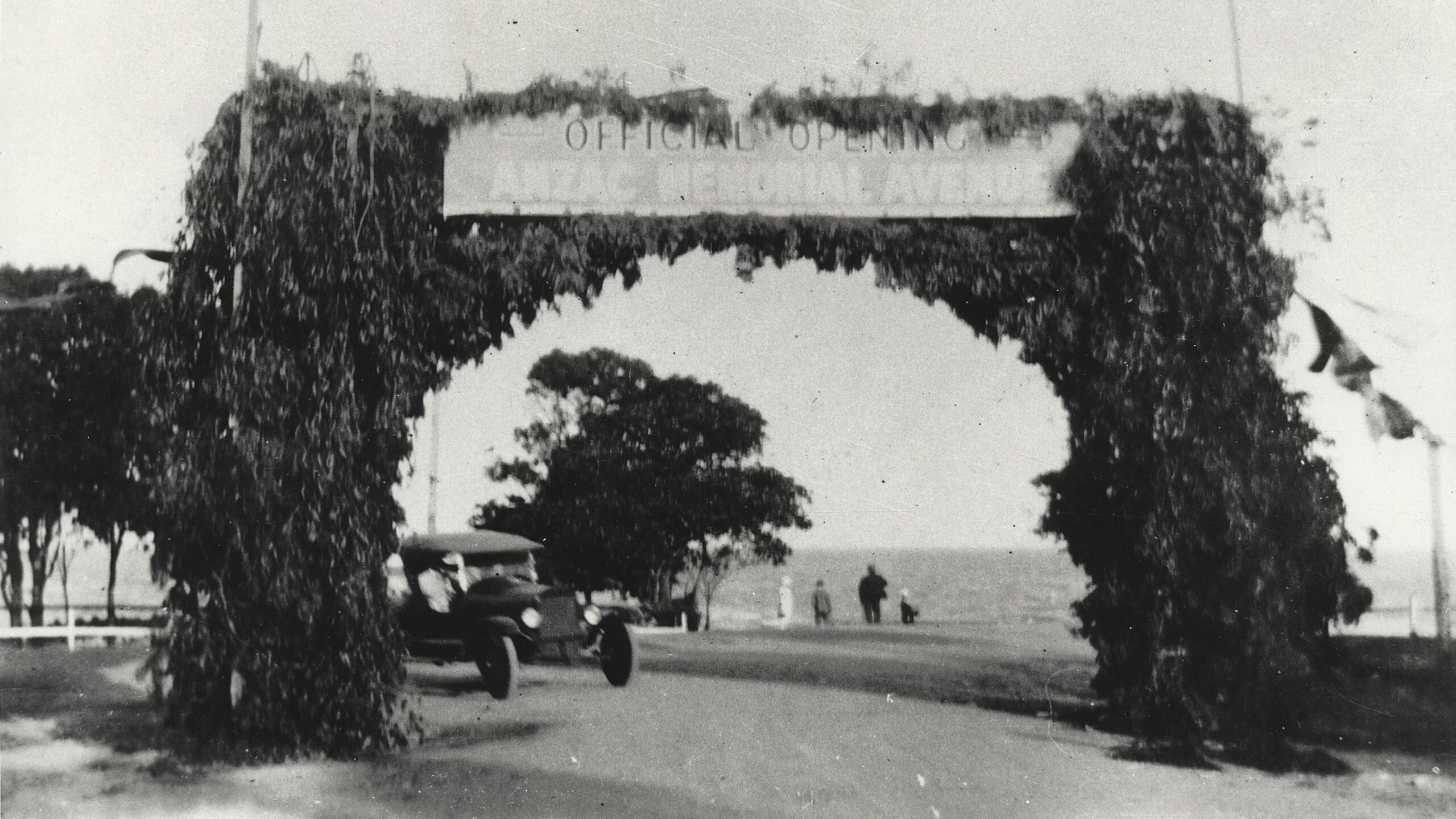
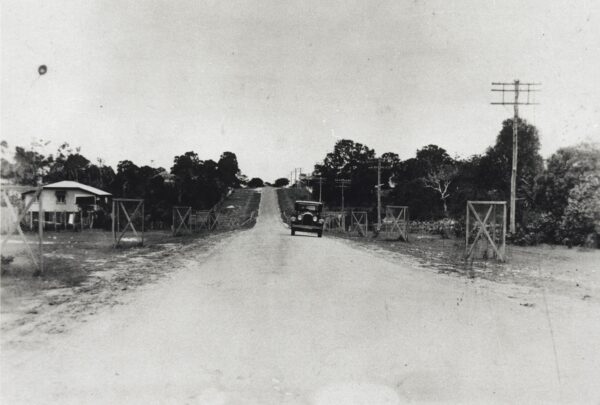
Anzac Memorial Avenue runs from Petrie to Redcliffe and opened on December 5, 1925, by acting Premier William Forgan Smith.
Now, Redcliffe Museum will host a celebration of the milestone tomorrow (Saturday) with a special presentation by historian Helen Smith.
Topics she will talk about include then president of the Royal Automobile Club of Queensland (RACQ) Thomas Rothwell, the avenue as a ‘living’ heritage memorial and the work of the Anzac Memorial Avenue Centenary Committee.
Smith says Rothwell’s contribution was critical to making the project a reality.
“Rothwell’s activities during the war as secretary of the Patriotic Fund, co-ordinator of the Returned Soldiers Transport Corps and activities with the RACQ and later as President of the RACQ meant he had the ability to interact with government, business and the required people to get things done,” she says.
“He had the foresight to see how the memorial avenue would serve many purposes from getting a road to work for returned servicemen, whose rallying cry of ‘Work not Charity’ by the Returned Services League was important.
“It was a way of honouring the men lost and providing a good road for motor cars, whose usage had nearly doubled between 1921-1923.”
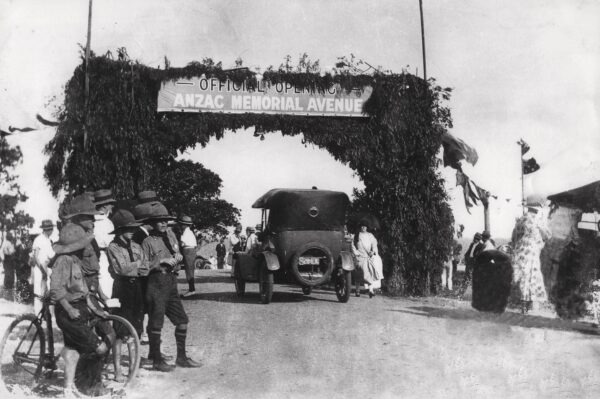
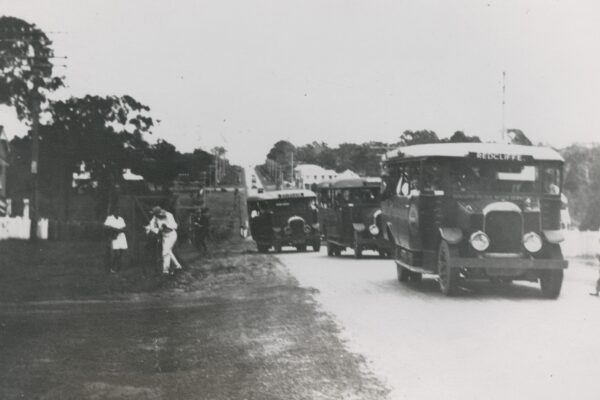
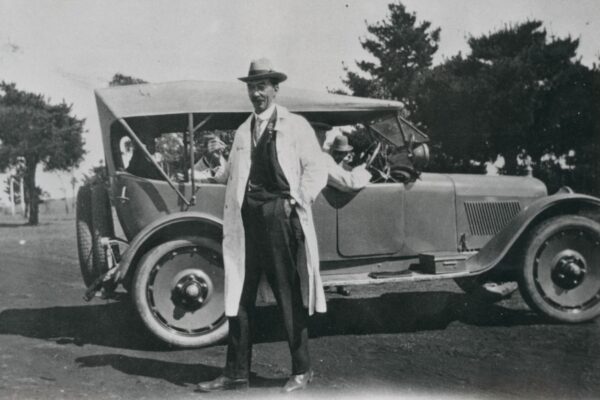
AVENUE IS A LEGACY
Moreton Bay Mayor Peter Flannery says the avenue is the result of Bay residents’ determination to honour the sacrifice of those who fell in battle.
“The result is a piece of infrastructure that has stood the test of time,” he says.
“If not for the vision of Thomas Rothwell and the overwhelming support of the public, it may have been some years before this infrastructure was realised.”
Councillor Yvonne Barlow says the avenue serves as a potent reminder of the price of freedom that Australians have today.
“Few projects in the history of Moreton Bay galvanised our community quite like Anzac Avenue,” she says.
“It endures as testament to our city’s fallen sons and the veterans who helped build it all those years ago.”
HOW IT BEGAN
“Sir, I have lately received word of the death of my youngest eligible son, Pte C Munro … He is the second of three boys to be killed.” With those opening lines in 1918, Burpengary mother Jane Munro began her final plea to bring her last surviving son home from war. It already fallen on the deaf ears of the defence minister but she took her appeal to General Sir William Birdwood, commander of the Australian Corps. Three months later, on August 21, 1918, her wish was granted: Lance Corporal Edward Munro, 19, came home while brothers Private Christian Munro and Second Lieutenant James Munro did not.
WHAT HAPPENED NEXT
The avenue was first proposed by RACQ president Rothwell in 1921 to honour the war dead and provide a critical road link between Redcliffe and Petrie.
Set a fundraising goal of £20,000 (now $40,300), £1000 ($2000) was pledged by residents at an inaugural meeting held to discuss the project in 1922; that total grew to £7000 ($14,000) with later pledges.
Another £12,000 ($2100) would come from the state and federal governments, with total expenditure exceeding £30,000 ($60,400).
Rothwell’s contributions were acknowledged after his death with a memorial erected in 1933 and a suburb named after him in 1971.
Some 1700 trees were planted in memory of the dead along the avenue.
In 2013, council unveiled 23 markers along ANZAC Avenue to highlight the different conflicts.
EARLIER COUNCIL NEWS: Council gives RSL $12,000 to keep Anzac Day services running