
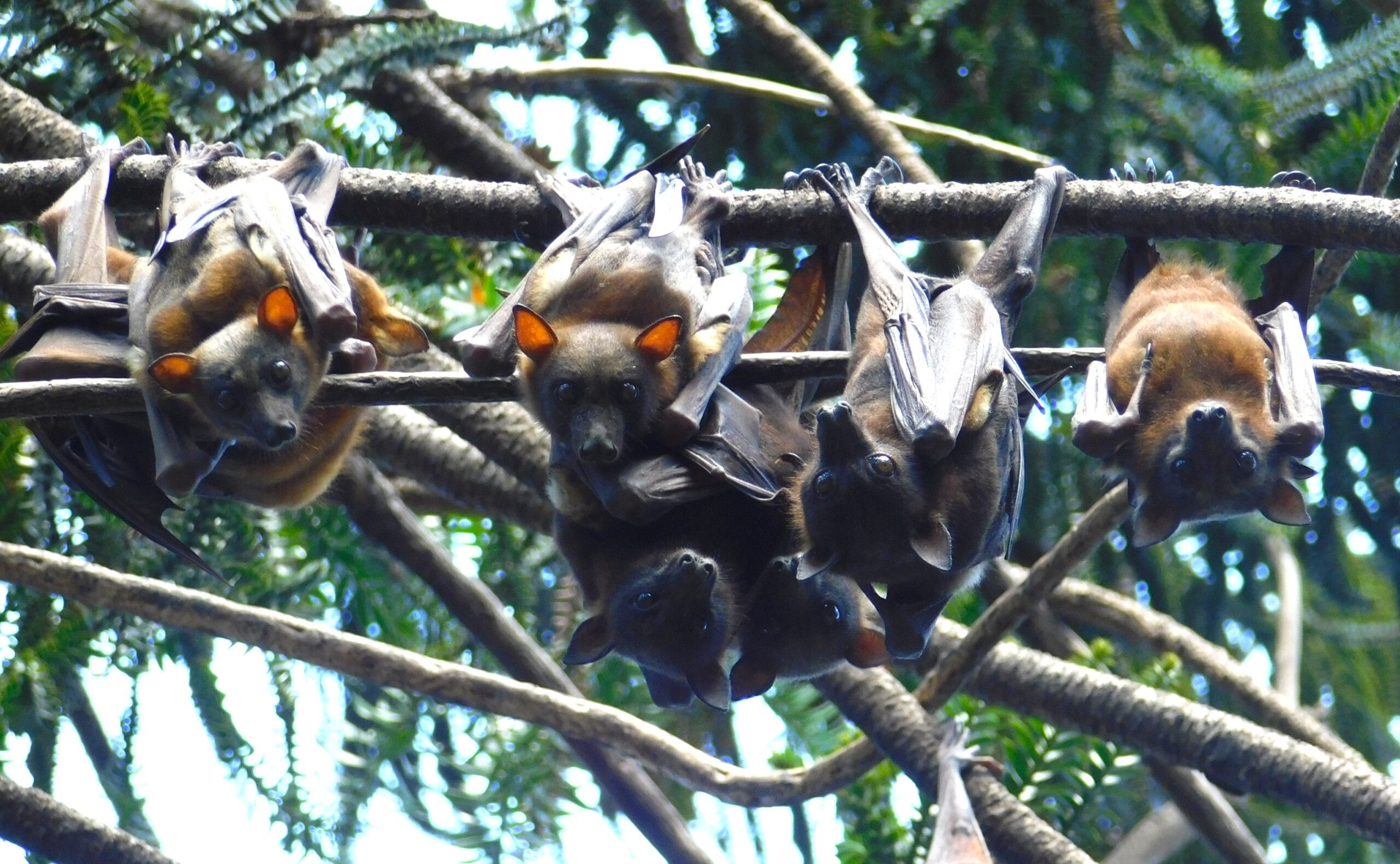
The state government is giving $250,000 in grants for 10 council-led projects to manage urban flying fox roosts.
Under the latest round of the Flying-Fox Roost Management Local Government Grant Program, five projects will involve direct grants to residents and businesses directly affected by roosts while the other projects focus on planning, community education and ground works.
Queensland Department of Environment’s Director of Northern Wildlife Operations Lindsay Delzoppo said the program will help ease the impact of roosts on communities and to promote peaceful co-existence.
Noise and hygiene (droppings) concerns are frequently raised by residents to their council.
“We’re committed to delivering for Queensland councils to manage urban flying-fox roosts in a way that balances conservation efforts with addressing community concerns,” Delzoppo says.
“Flying foxes play a crucial role in the health of our ecosystems, acting as seed dispersers and pollinators that help maintain healthy plant populations.
“They indirectly support a range of other wildlife, with their pollination powers keeping food sources plentiful while preventing the spread of disease that could harm native plants,” Delzoppo says.
“We know that large flying-fox roosts can impact nearby households, so we’re here to offer a helping hand to councils in need of support to reduce the impacts on their residents.
“From five new resident grant schemes to on-ground works across roosts in the Livingstone Shire Council region, we’re proud to support local governments to deal with flying-fox roosts.”
To date, the state government has spent more than $2.5 million on 86 council-led projects under the program.
Originally a four-year $2 million initiative due to end in 2024, the program was extended for another three years earlier in 2025 and given an extra $1.5 million in funding.