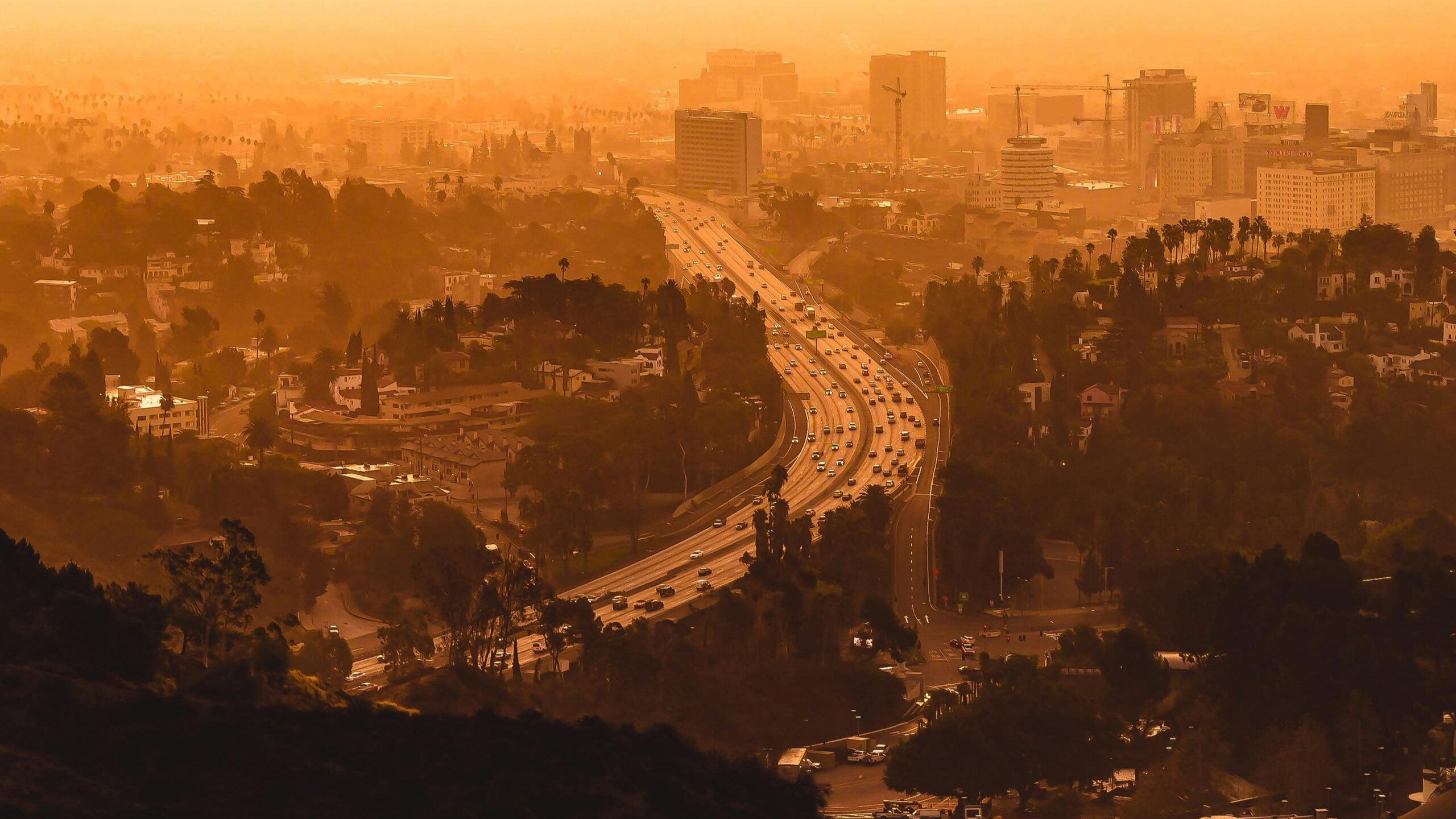
Los Angeles-style urban fires may pose a threat to almost seven million Australians, a new joint report says.
The When Cities Burn: Could the LA Fires happen here? report was compiled by former fire chiefs and the Climate Council and details how climate pollution is turbo-charging dangerous fire conditions.
The report’s release follows last month’s deadly and destructive fires across New South Wales and Tasmania.
At least 6.9 million Australians living on the fringes of capital cities could be at risk from supercharged fires, it says.
This makes Los Angeles-style urban blazes increasingly likely in parts of Sydney, Melbourne, Canberra, Adelaide, Perth and Hobart.
The report also reveals that populations on the outskirts of cities grew 65% since 2001.
LOS ANGELES DISASTER REPEATING?
Former NSW Fire Commissioner and founder of Emergency Leaders for Climate Action (ELCA) Greg Mullins says: “Our analysis shows that Australian cities increasingly face the potential for catastrophic fires like the ones in Los Angeles.
“Those fires burned in winter driven by hurricane-strength winds.
“Climate pollution is now worsening fire weather conditions to the point that fires can sometimes be beyond the limits of modern firefighting and prevention capabilities,” he says.
Mullins says the report should serve as a wake-up call.
“If you live in suburbia and think bushfires don’t concern you, think again,” he says.
“Nearly every capital city has a dangerous mix of preconditions for a catastrophic fire like Los Angeles: the possibility of extreme dry periods; severe winds; steep slopes; bushland near homes; and a history of destructive fires.
“It’s critical that we deal with the cause of more extreme weather by drastically cutting climate pollution while properly resourcing fire and land management agencies, and preparing suburban communities for rising risks.”
TASMANIAN WARNING
Former Tasmania Fire Service Chief Fire Officer and ELCA member Mike Brown says the fires on the island state that destroyed at least 21 homes should serve as a warning.
“In otherwise mild conditions, extreme winds grounded firefighting aircraft and created perilous conditions on the ground for firefighters,” he says.
“Climate change is supercharging fire conditions, including extreme winds that can tip a bad fire into a catastrophic one.
“Studies have shown the winds in Tasmania are increasing, particularly in recent decades with record 200km/h wind gusts recorded in 1998 and 2023.”
CLIMATE COUNCIL
Climate Council CEO Amanda McKenzie says the Los Angeles fires shocked the world because they shattered assumptions about such fires.
“Climate pollution made unnatural disasters disturbingly commonplace but the Los Angeles fires, which claimed 31 lives and destroyed 16,000 homes and buildings, still jolted the world,” she says.
“Australia shares many of the same dangerous conditions. If we don’t get climate pollution under control then this report shows many of our cities and communities are in the firing line.”
McKenzie says urban Australians are already paying a price for worsening fire conditions.
“Surviving and recovering from fires cost us billions since 2009; this report shows insurance premiums jumped 78-138% since 2020 in Sydney, Melbourne and Perth bushfire danger zones,” she says.
“Households shouldn’t keep footing the bill for worsening fires while corporations selling coal, oil and gas drive up climate pollution and rake in profits.”
RELATED STORY: Heatwave sweeping across SE Australia