
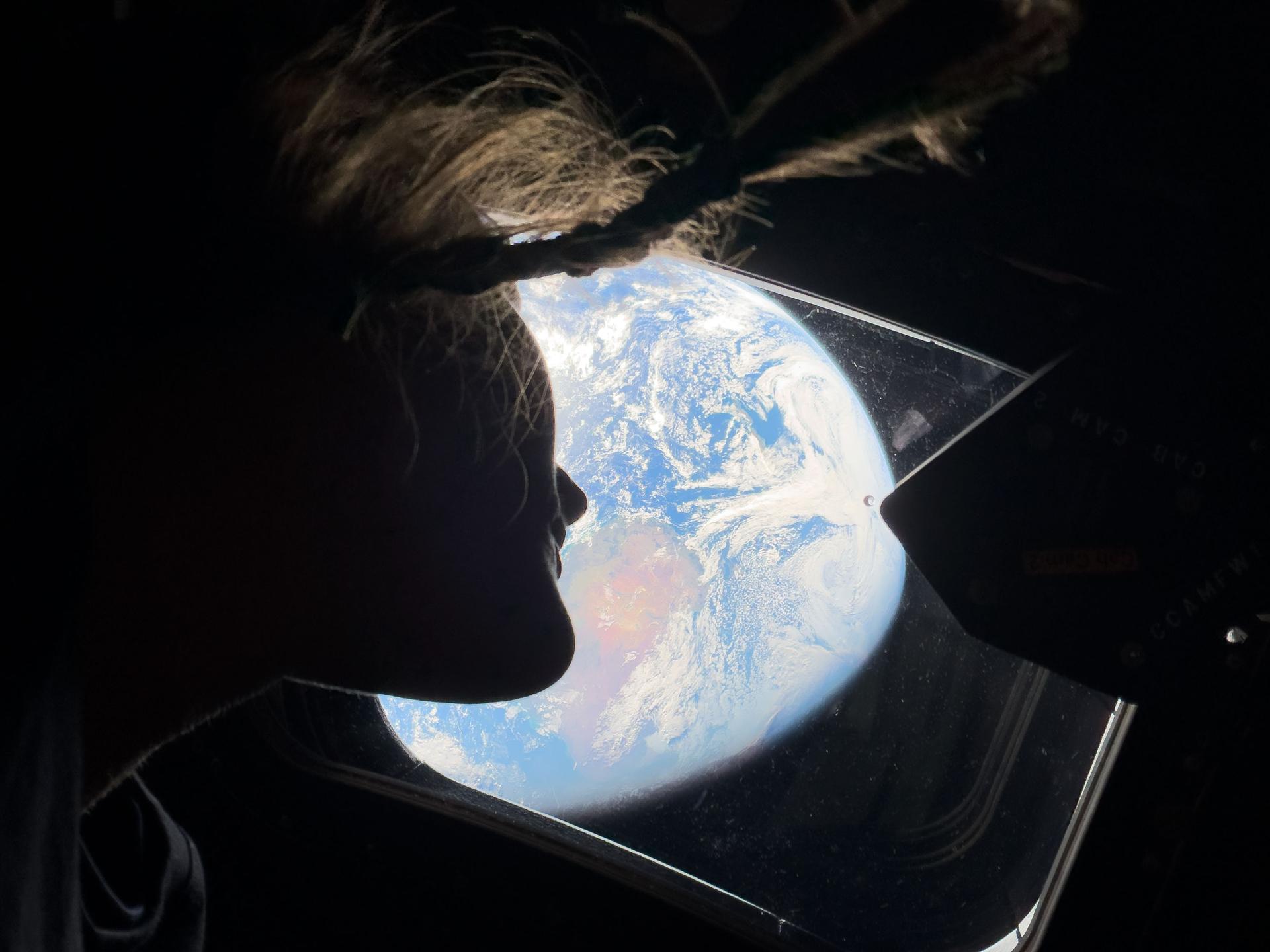
Four astronauts aboard NASA’s Orion spacecraft have set a distance record for humanity then set it again in ‘quick’ succession.
As of Tuesday morning (AEST), they had travelled 406,771 kilometres from Earth at their most distant point to break the record set by the Apollo 13 mission in 1970.
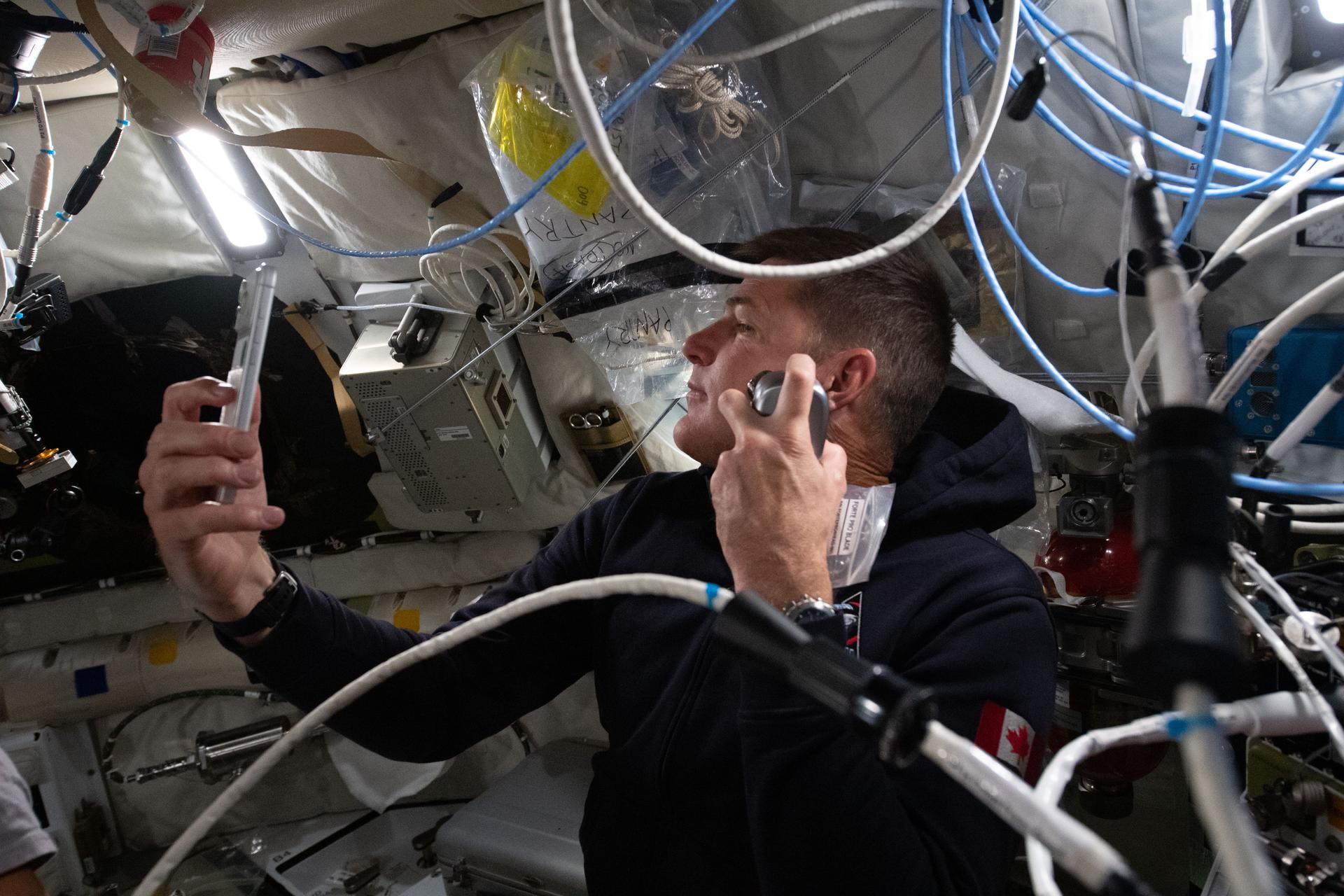
Onboard are NASA astronauts Reid Wiseman, Victor Glover, Christina Koch and Canada’s Jeremy Hansen who has been photographing the moon to help with future missions.
“… our Artemis II astronauts – Reid, Victor, Christina, and Jeremy − are charting new frontiers for all humanity,” says Dr. Lori Glaze, an acting associate administrator based at NASA headquarters in Washington.
“Their dedication is about more than breaking records – it’s fuelling our hope for a bold future. Their mission is carrying our promise to return to the moon’s surface, this time to stay as we establish a moon base.”
ORION WOES
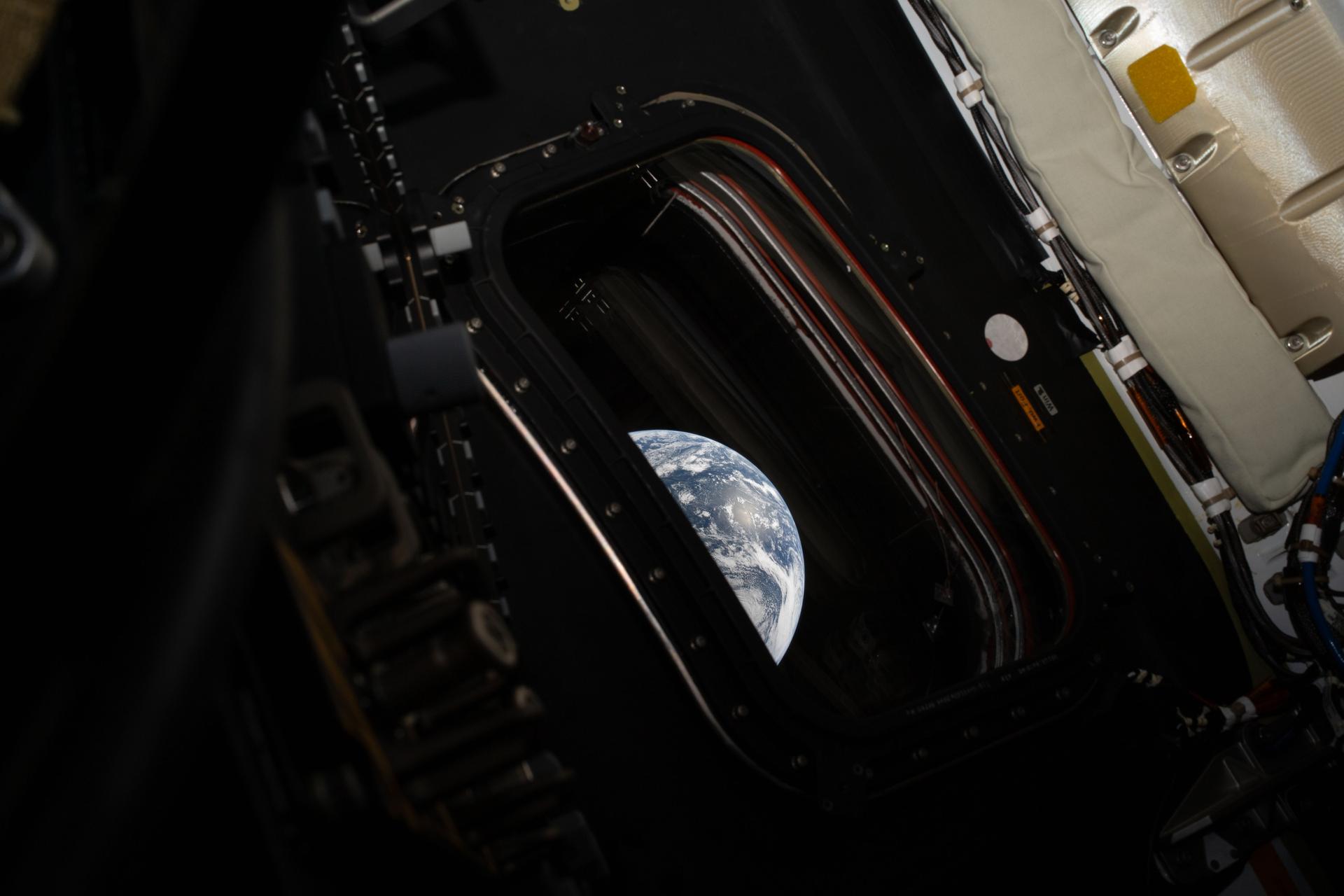
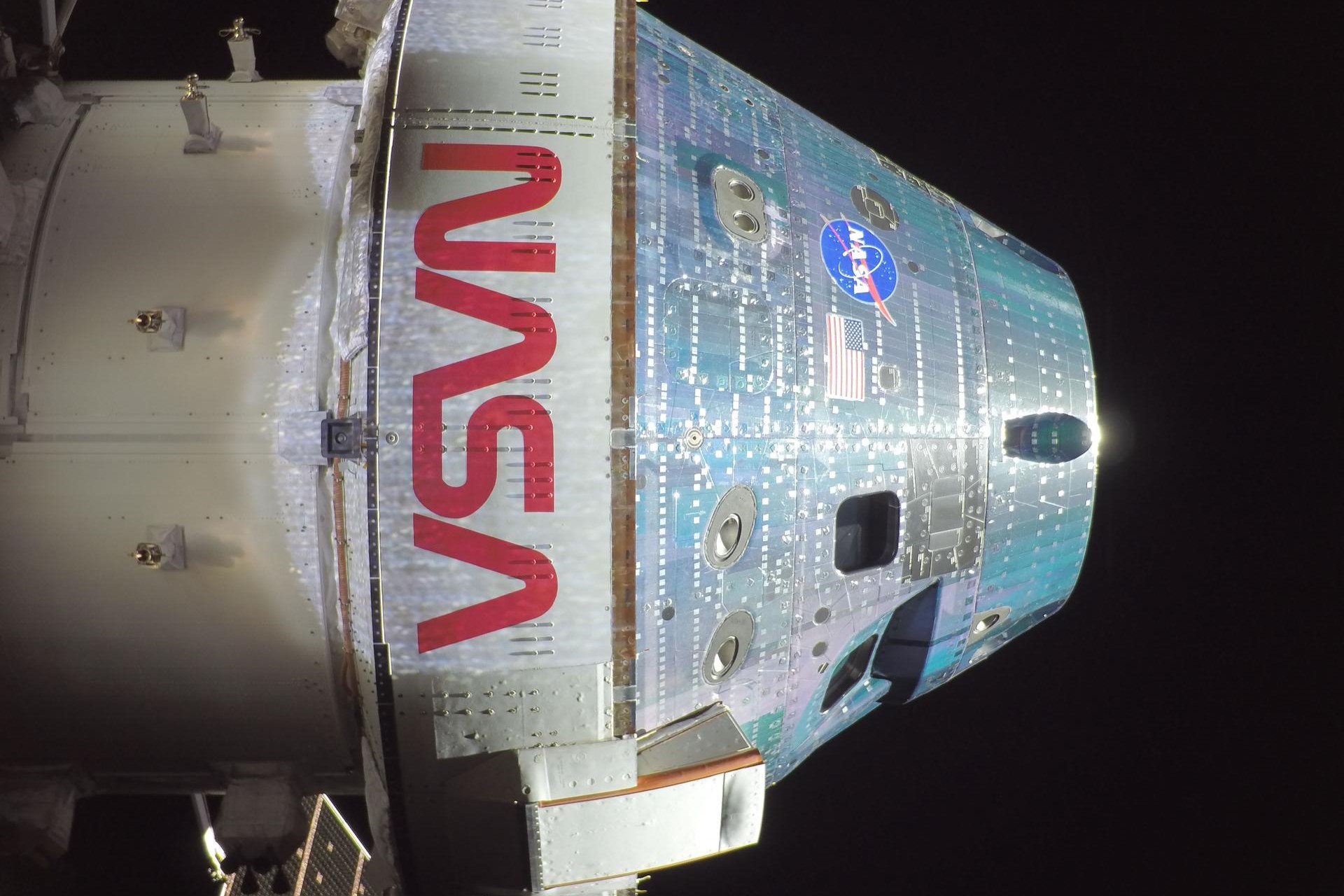
The Orion spacecraft was onboard Artemis II which launched on April 1 from the agency’s Kennedy Space Center in Florida then conducted series of burns to break free of orbit the next day on its way to the moon.
But the voyage was marred by toilet problems which is reported to have broken down; click here for a report on that.
During their mission, the crew named two craters on the moon, Integrity (their spacecraft) and Carroll after Wiseman’s late wife; the names have to be ratified.
NASA says that at their closest point to the moon on their flypast, they will come to about 6545km from the surface, close enough to see the lunar landscape, and witnessed a solar eclipse and meteor strikes.
During their lunar flyby, the crew is using digital cameras to capture high-resolution images of the surface; the photos, videos, mission telemetry, and communication information will be used in future missions to build a moon base, NASA says.
The crew is scheduled to splash down off San Diego on Saturday (AEST).
For the latest mission progress, visit www.nasa.gov/artemis-ii
MORE SPACE NEWS: Aussie astronomers honoured for finding planets