
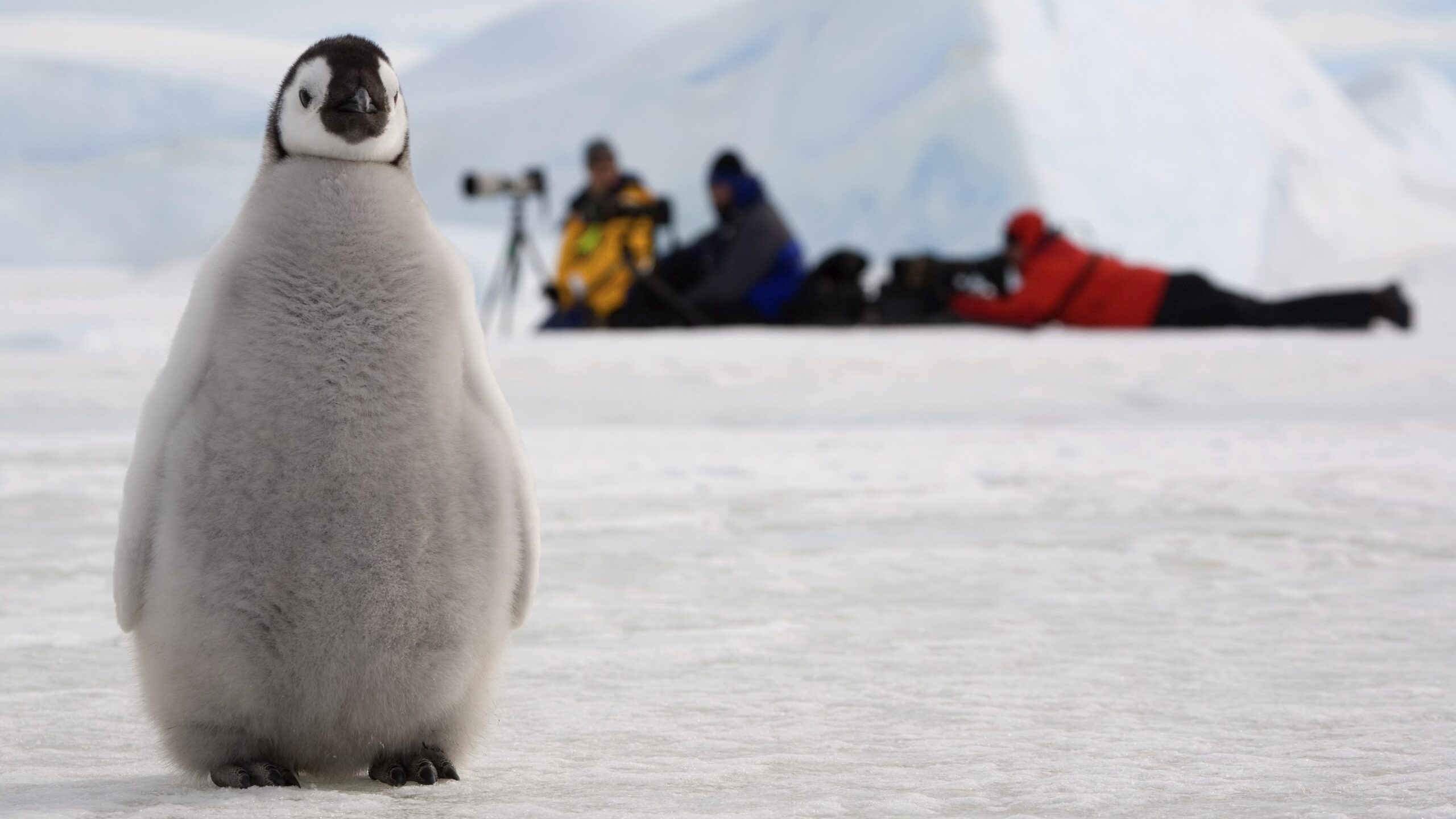
Emperor penguins are on a slow march to extinction after their status was downgraded from ‘near threatened’ to ‘endangered’ as their numbers collapse.
The warning came from the WWF (World Wildlife Fund) who say the population could collapse by half over the next 50 years.
The WWF says its recent modelling follows older ones that also suggested the penguin faces functional extinction by the end of the century if urgent action is not taken; click here to learn more about the Fund.
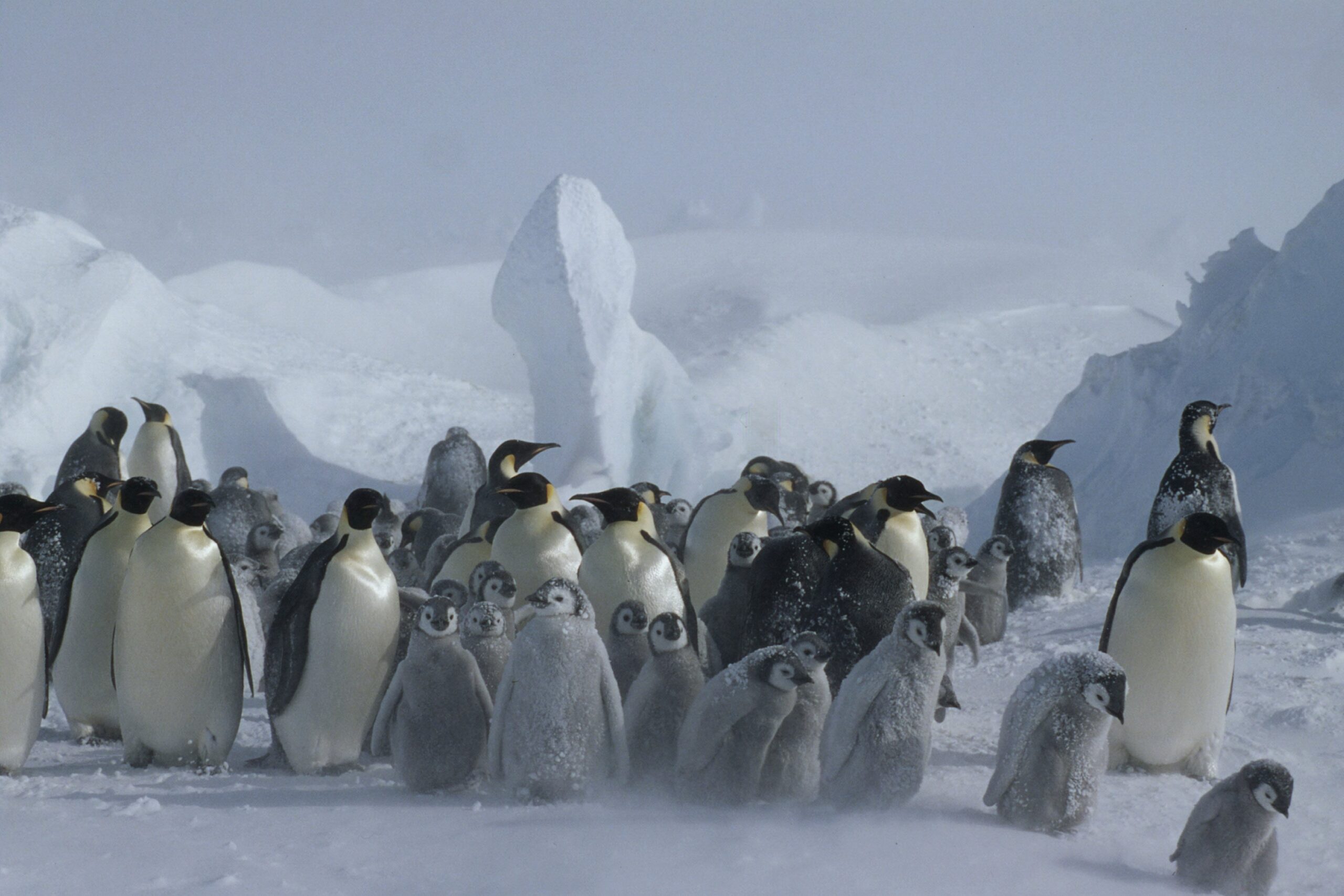
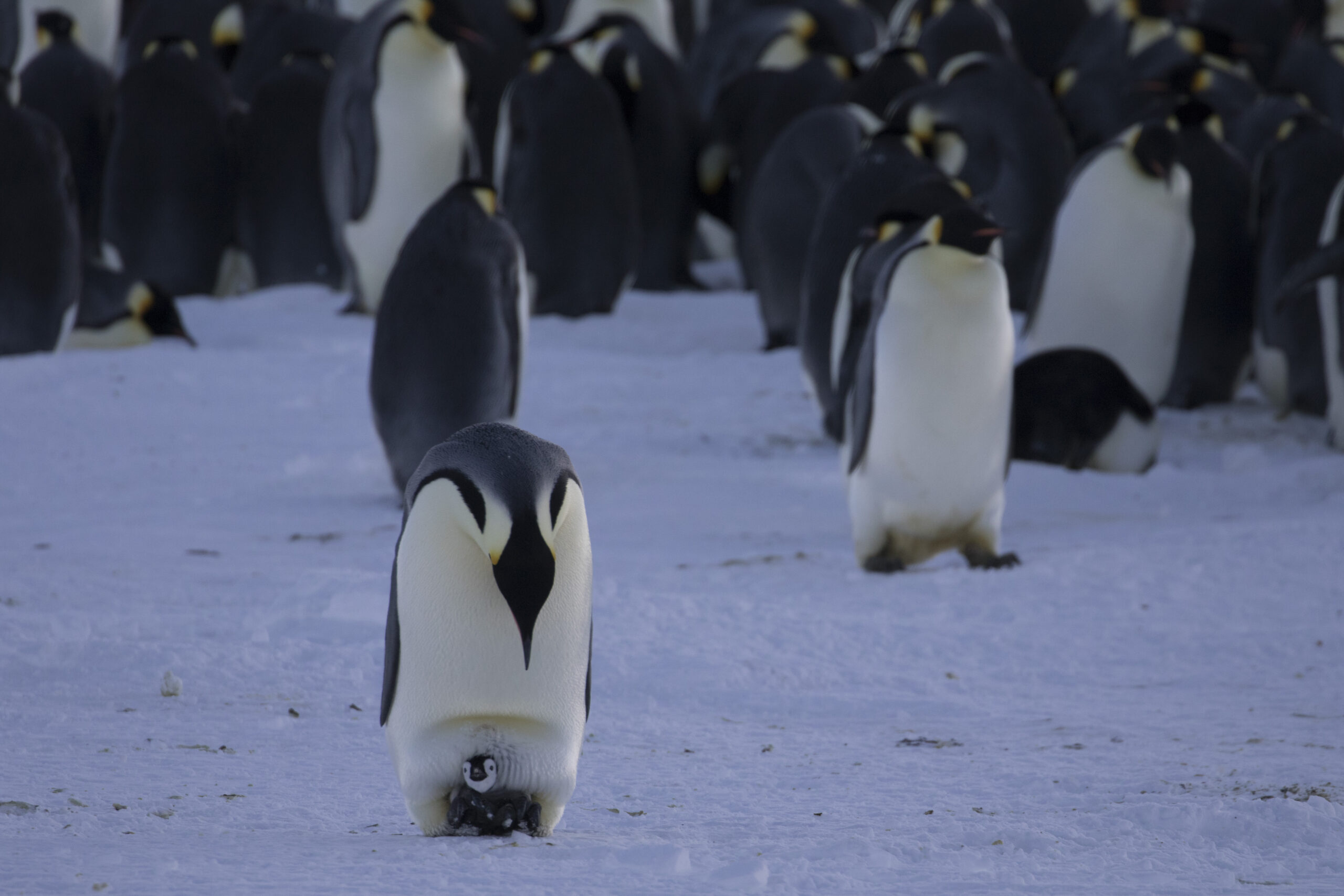
Found only in Antarctica, emperor penguins are dependent on ‘fast ice’ (sea ice that is connected to land, seabed or ice shelves) for nine months of the year when they gather in large colonies to mate, lay eggs, raise chicks, and moult to replace their feathers.
The IUCN (International Union for Conservation of Nature) has added the penguin and the Antarctic fur seal to its ‘Red List’ of endangered species.
Its membership comprises of over 1400 organisations, including governments, and relies on 17,000 experts that makes it a global authority on the natural world.
HOPES FOR EMPEROR PENGUINS
The WWF is putting some hope on the next Antarctic Treaty meeting next month in Japan; it wants the penguin to be listed as a ‘specially protected species’ to give it extra protection from human activity like tourism and shipping.
Emily Grilly is WWF-Australia’s Antarctica expert and Oceans Conservation Manager.
She says: “People marvel at the ability of emperor penguins to survive some of the harshest conditions on Earth but human activity is pushing them to the brink.
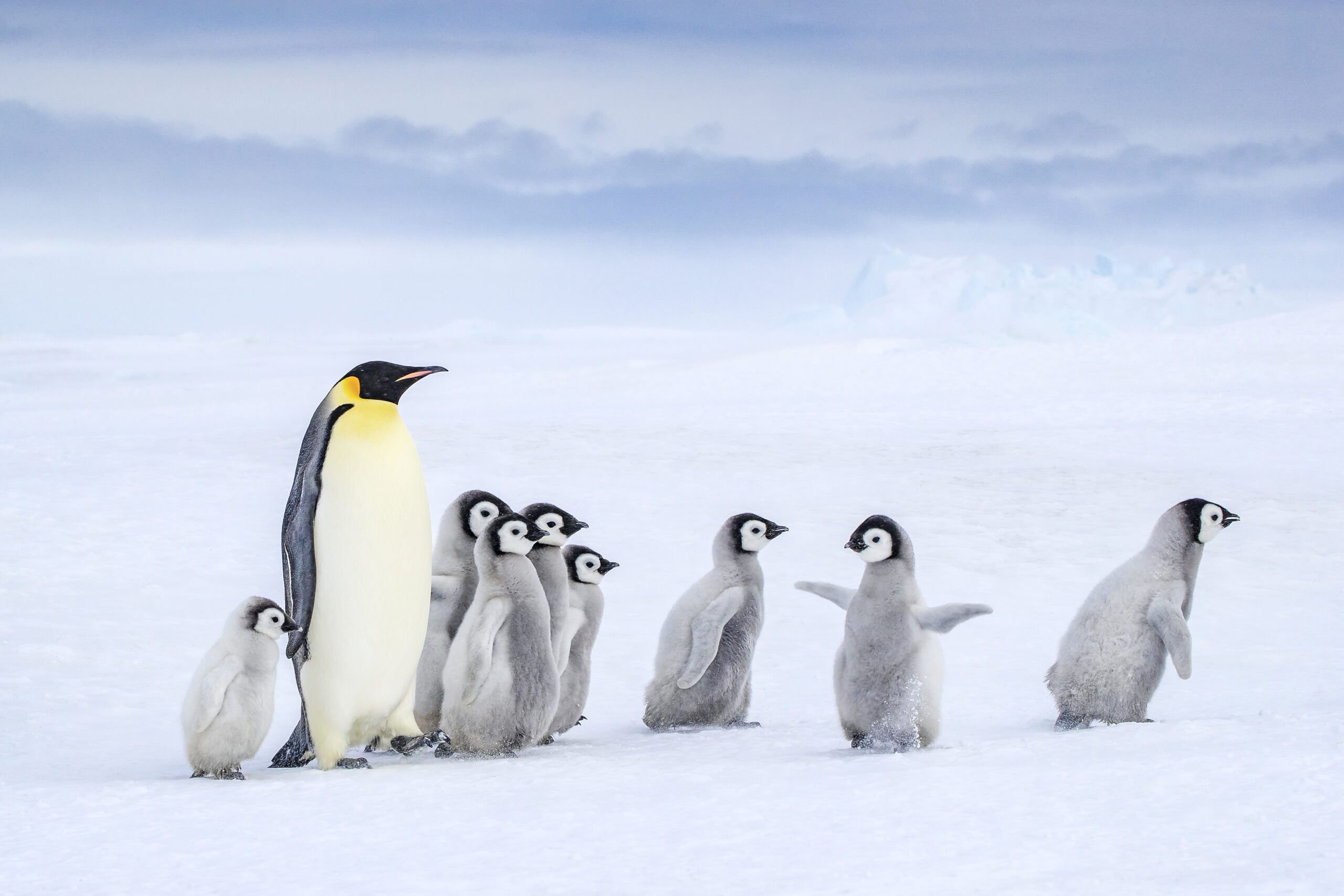
“It’s distressing to think of penguin chicks freezing when sea ice breaks up before their waterproof feathers are ready,” she says.
“We urge treaty members to do the right thing and declare emperor penguins ‘specially protected’. This would reduce pressures like fishing and tourism that add additional stress on colonies. There would also be targeted actions to support their recovery.”
Rod Downie is WWF-UK’s Chief Adviser on Polar & Oceans. He says: “The fate of these magnificent birds is in our hands.
“Climate change is having a profound impact on the Antarctic where emperor penguins are increasingly vulnerable to changes in seasonal sea ice.
“Urgent action is needed to limit average global temperature rise, protect the waters surrounding Antarctica (which teem with life) and designate emperor penguins as ‘specially protected’.”
THE DISASTER
Since 2016, sea ice in the Antarctic has dramatically decreased in coverage and duration. The early break-up of fast ice at the site of many breeding colonies has resulted in catastrophic breeding failures.
In 2022, four out of five known breeding sites in the Bellinghausen Sea collapsed; thousands of chicks, who lack waterproof feathers until almost fully grown, likely froze or drowned.
With a current population estimated around 595,000 adults, research between 2009-18 revealed an almost 10% drop in population. But WWF studies show there has been an estimated 22% drop in numbers across the western Antarctic from 2018 to 2023.
Adult penguins are at their most vulnerable during their annual moult when they replace their waterproof feathers. Without safe spaces, adult penguins risk death in the freezing oceans.
In February, a British Antarctic Survey study identified that penguin adults are vulnerable to fast ice breakup from January to March during their moult.
MORE WWF NEWS: Australia signs on to protect high seas




