
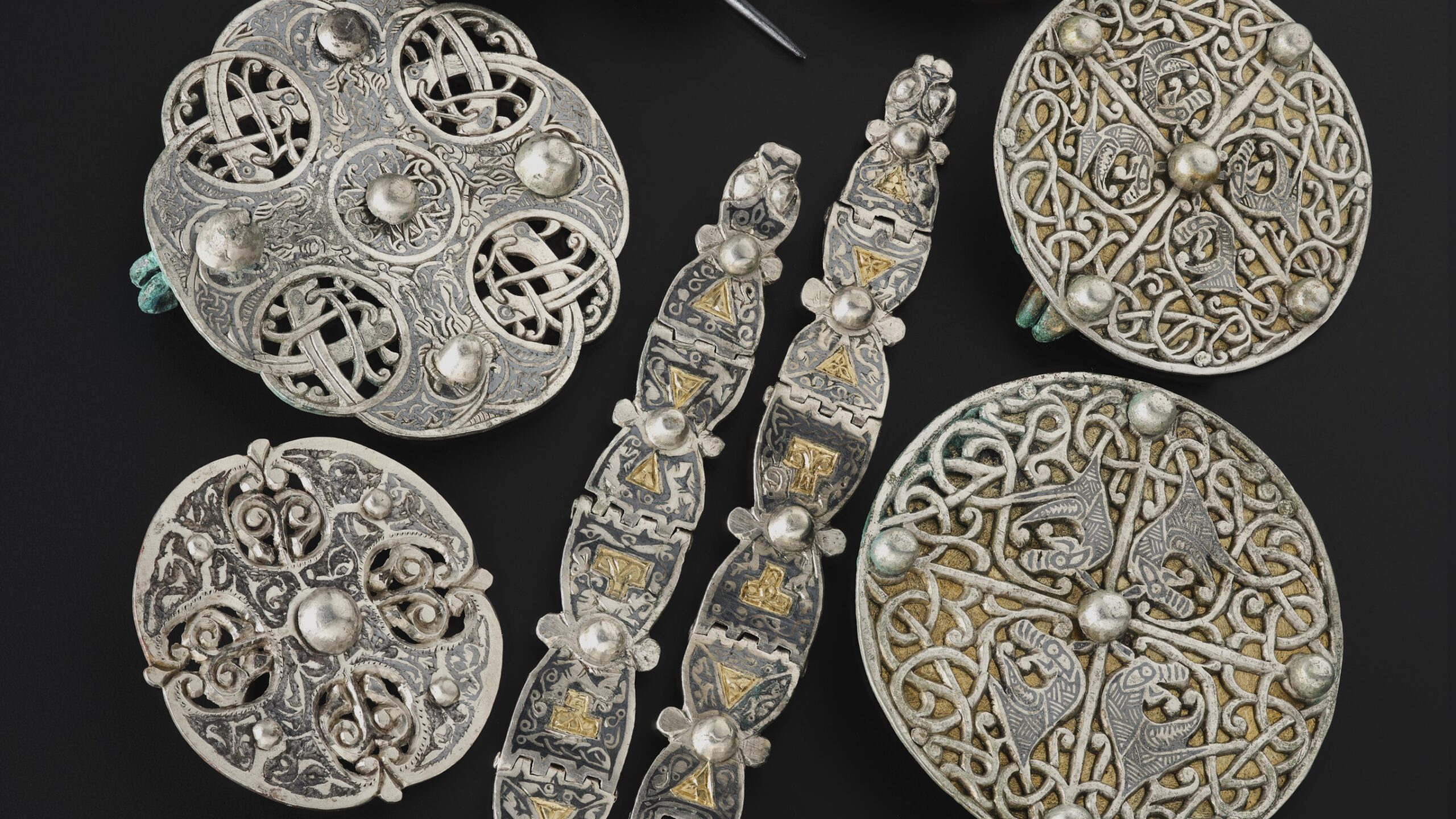
A Viking treasure hoard already long buried in Scotland before William Wallace fired up against English rule in the late 13th century is coming to Sydney.
The Galloway Hoard is a collection of Viking artifacts that are rated as one of Britain’s most important archaeological finds of the century.
It will go on display at the Australian National Maritime Museum from May 28 to October 11.
The hoard is described as the richest collection of Viking objects ever found in Britain or Ireland; it was buried around 900AD and re-discovered in 2014 in southwest Scotland.
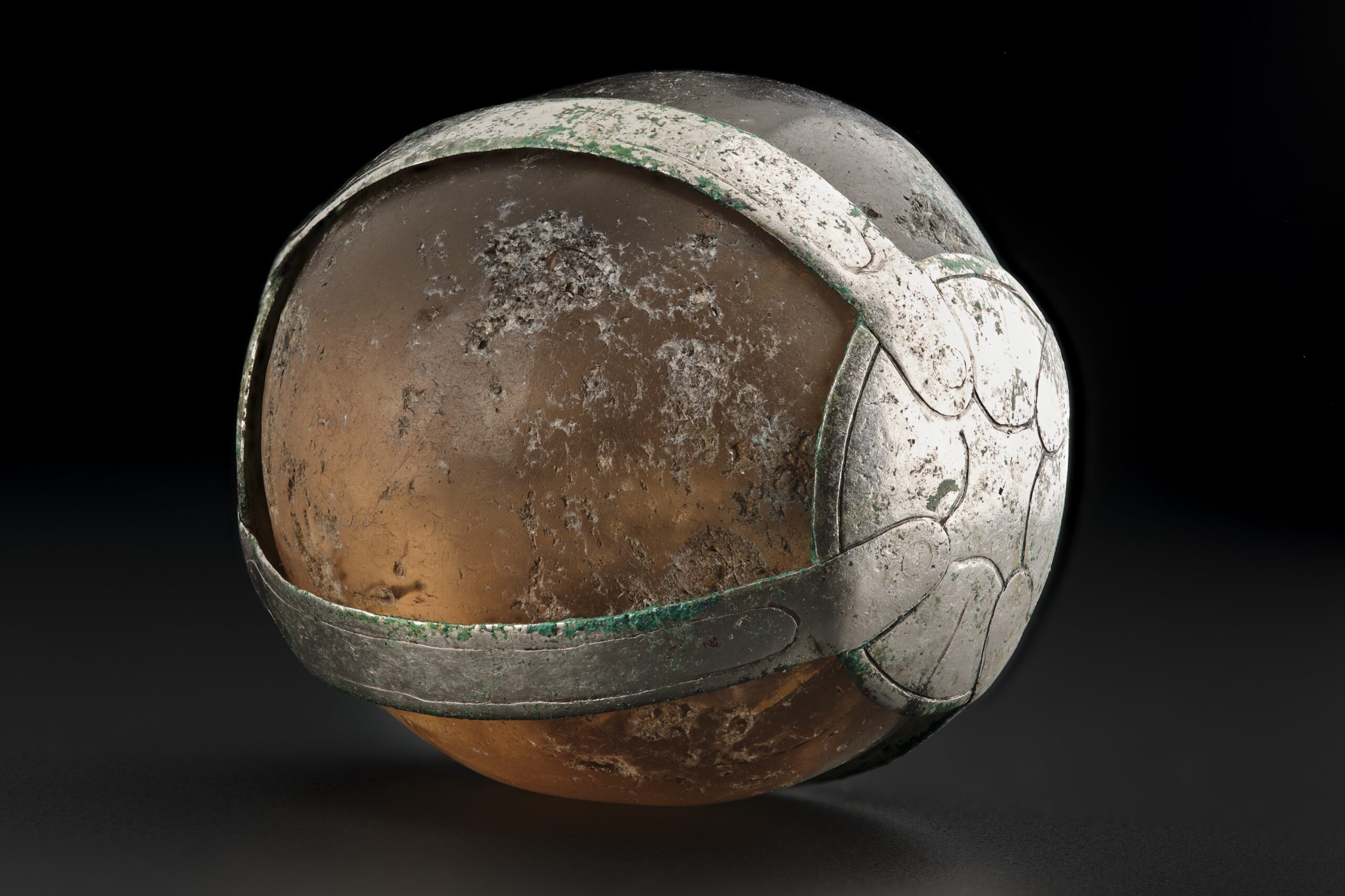
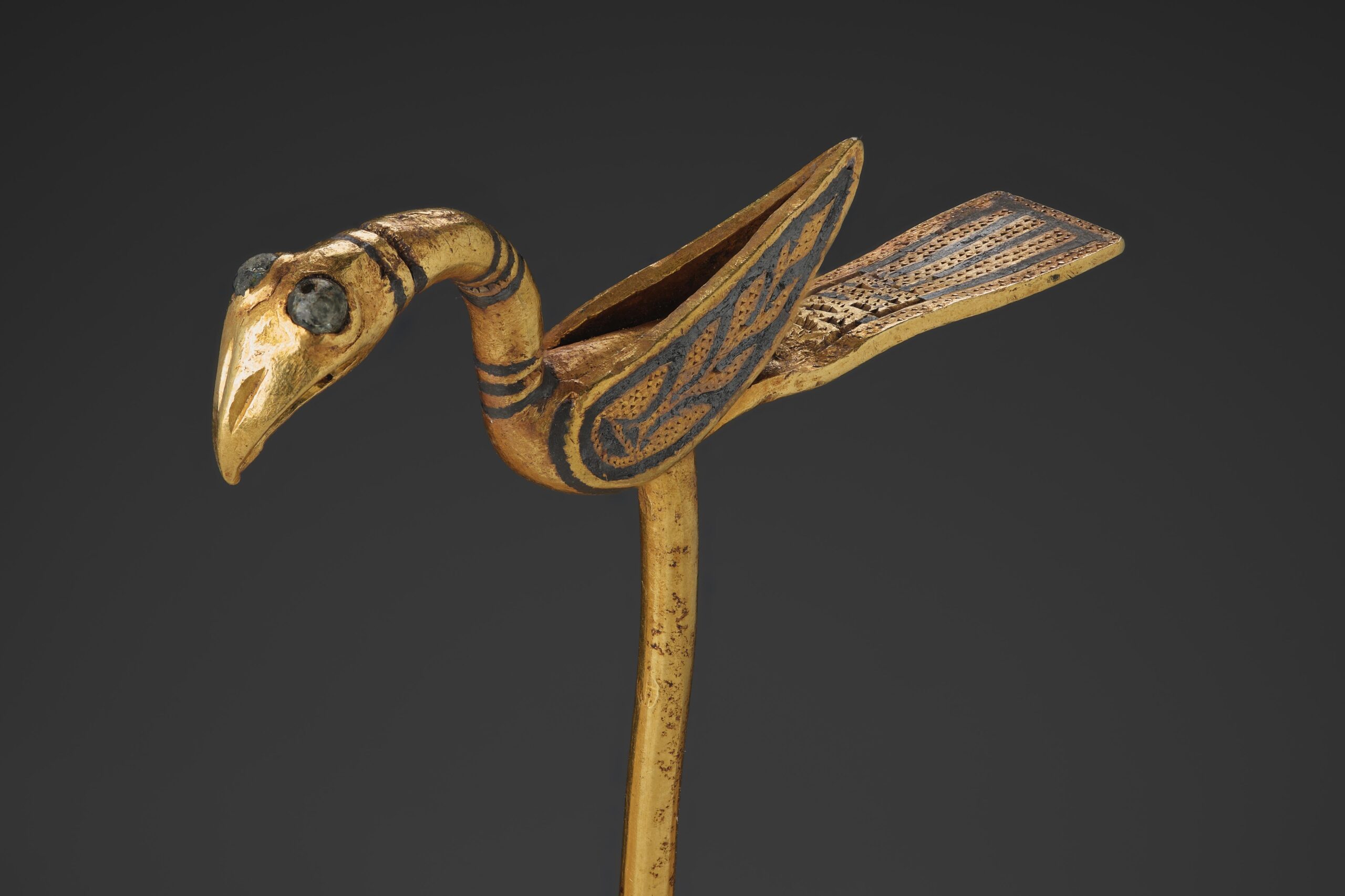
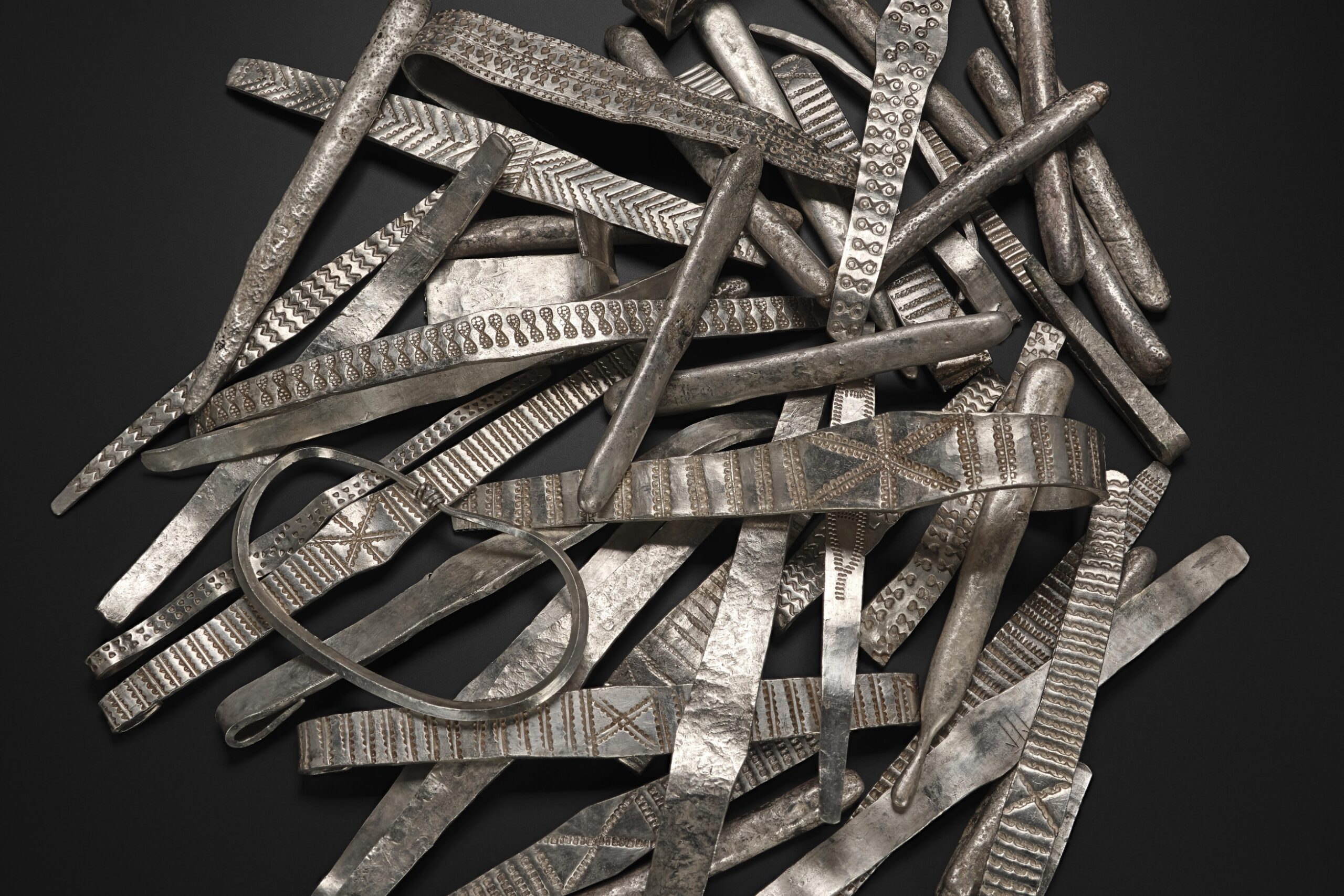
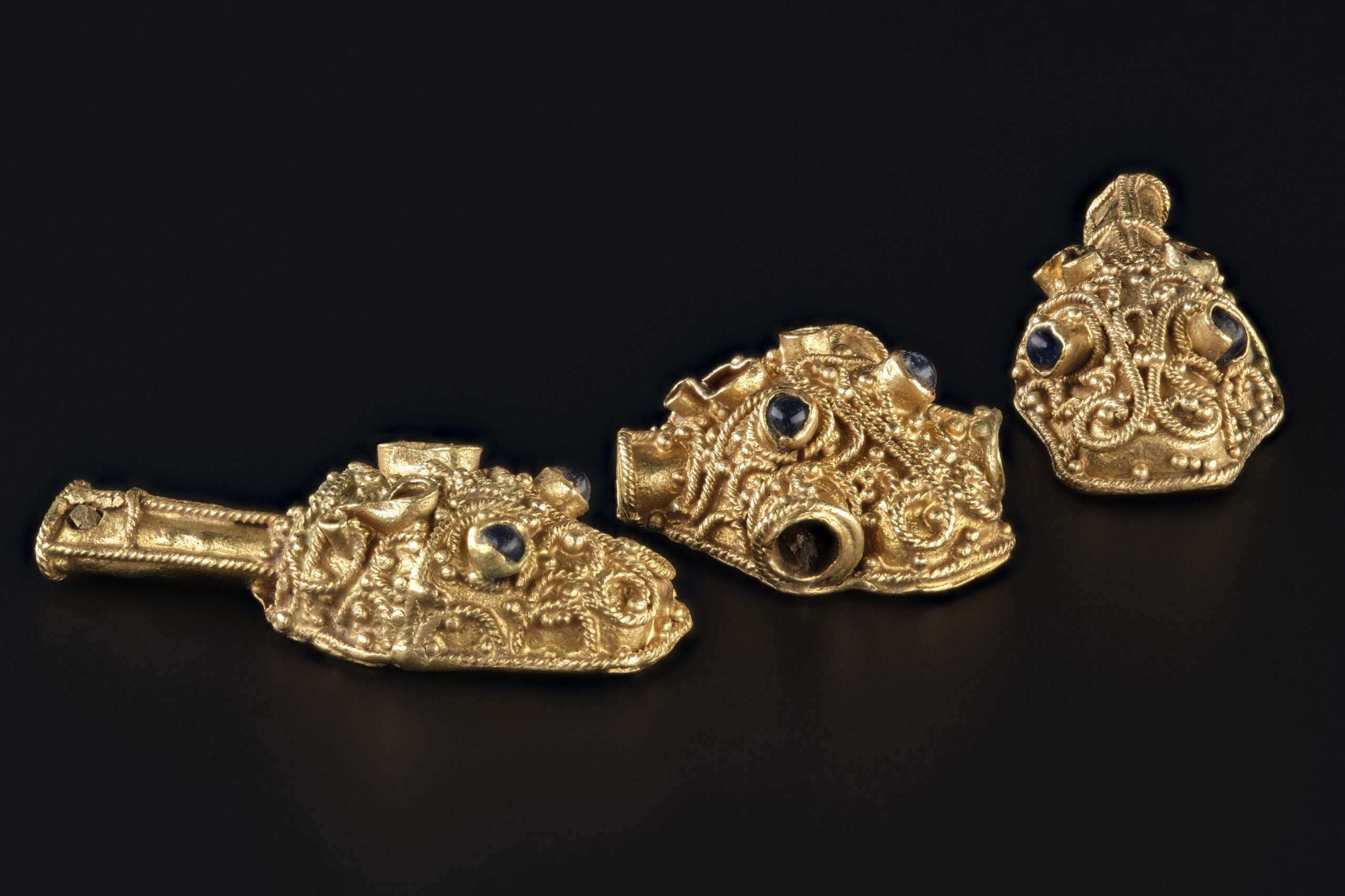
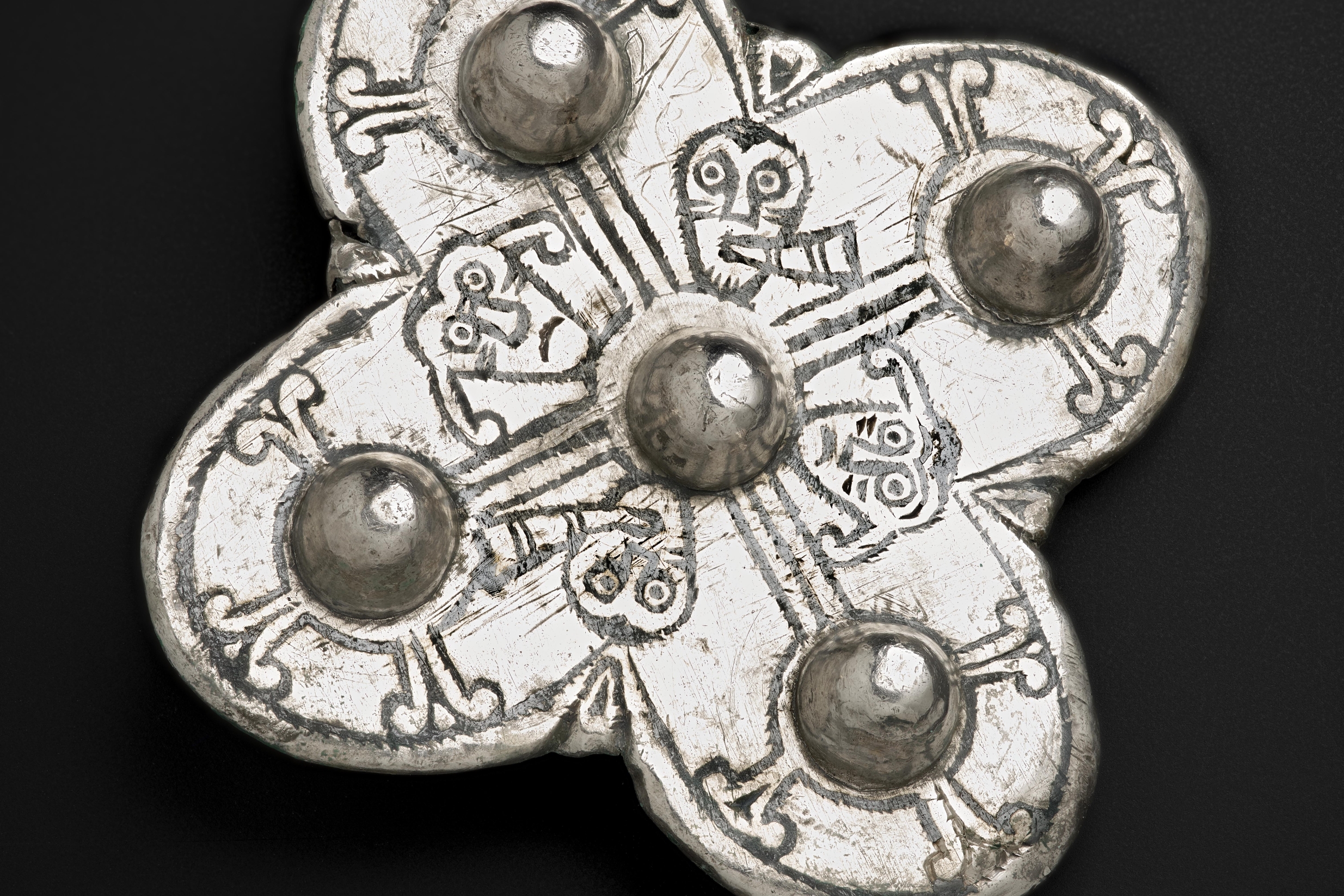
The 90-piece collection that will be on show features jewellery, personal keepsakes and other items sourced from as far as Central Asia; it weighs over 5 kilograms and comprises of silver, gold and other precious materials, carefully interred as to preserve delicate organic substances like silk and textiles.
VIKING ART
Museum CEO and director Daryl Karp says: “The Galloway Hoard is a remarkable window into a significant period in maritime history when the sea linked the land now called Scotland with far-reaching routes of trade, travel and cultural exchange across Europe and beyond.
“The extraordinary craftsmanship, from intricate silver work to rare surviving textiles, reveal not only the wealth generated by these networks, but also the artistic imagination of the Viking Age,” she says.
Dr Martin Goldberg is principal curator of Medieval Archaeology & History at National Museums Scotland.
“The Galloway Hoard has repeatedly drawn international attention since its discovery and acquisition by National Museums Scotland,” he says.
“This hoard was in many respects a journey into the unknown and the exhibition presents all of the amazing discoveries we have made through our research.
“We’re delighted the exhibition can now be seen by audiences outside the UK, a once-in-a-lifetime opportunity to experience these exceptional objects in person.”
ABOUT THE VIKING HOARD
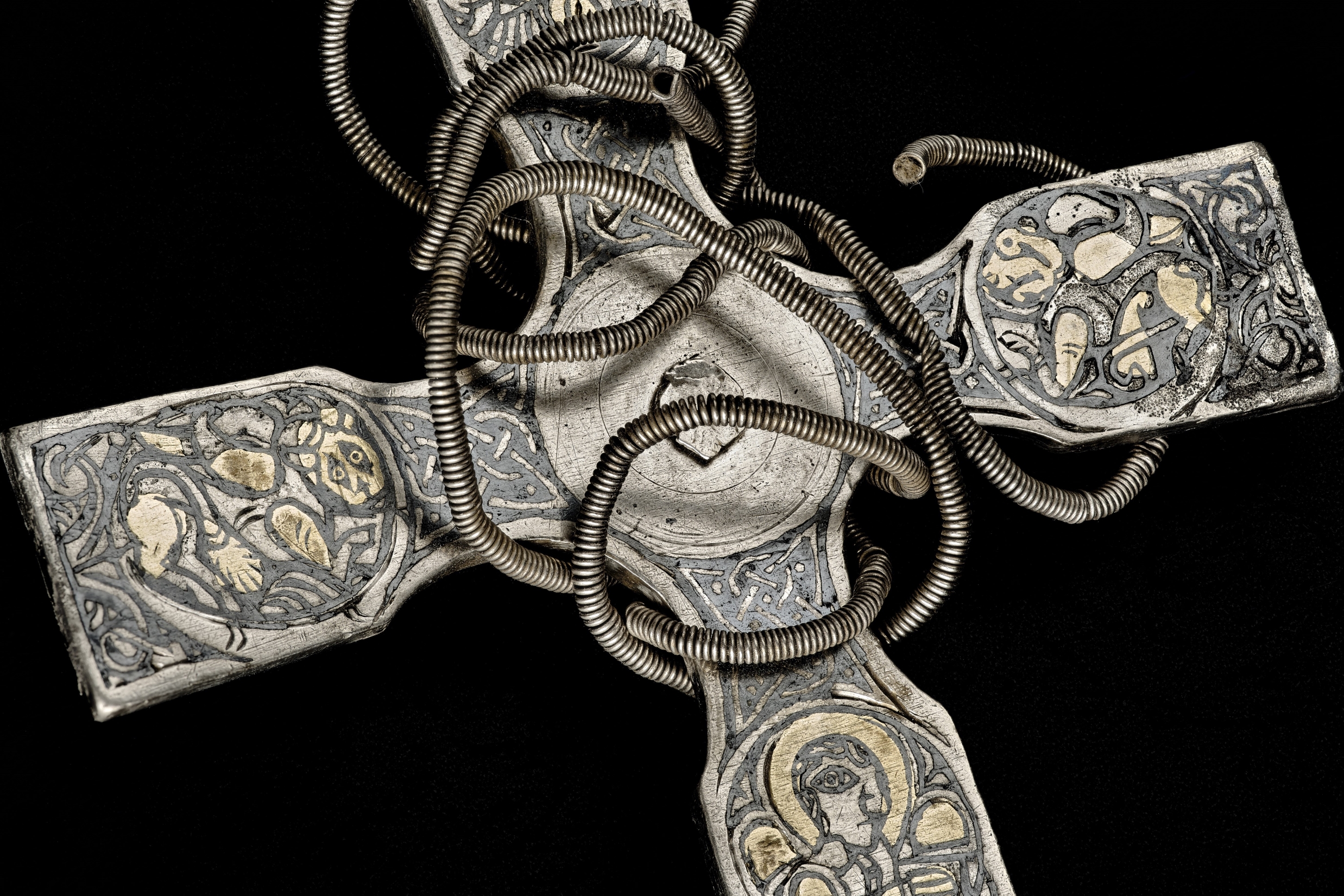
The exhibition shows how the Hoard was buried in four distinct parcels. The top layer was a parcel of silver bullion and a rare Anglo-Saxon cross, separated from a lower layer of three parts: another, larger parcel of silver bullion wrapped in leather; a cluster of four decorated silver ‘ribbon’ arm-rings bound together and concealing a small wooden box containing three items of gold; and a lidded, silver gilt vessel wrapped in textile and packed full of carefully wrapped objects like beads, pendants, brooches, bracelets and other curios, often strung or wrapped with silk.
Some items were too fragile to travel long distances, particularly those with rare textiles, but 3D reconstructions will help visitors understand the work being done with them.
OTHER MUSEUM NEWS: Identity of Endeavour wreck confirmed




