
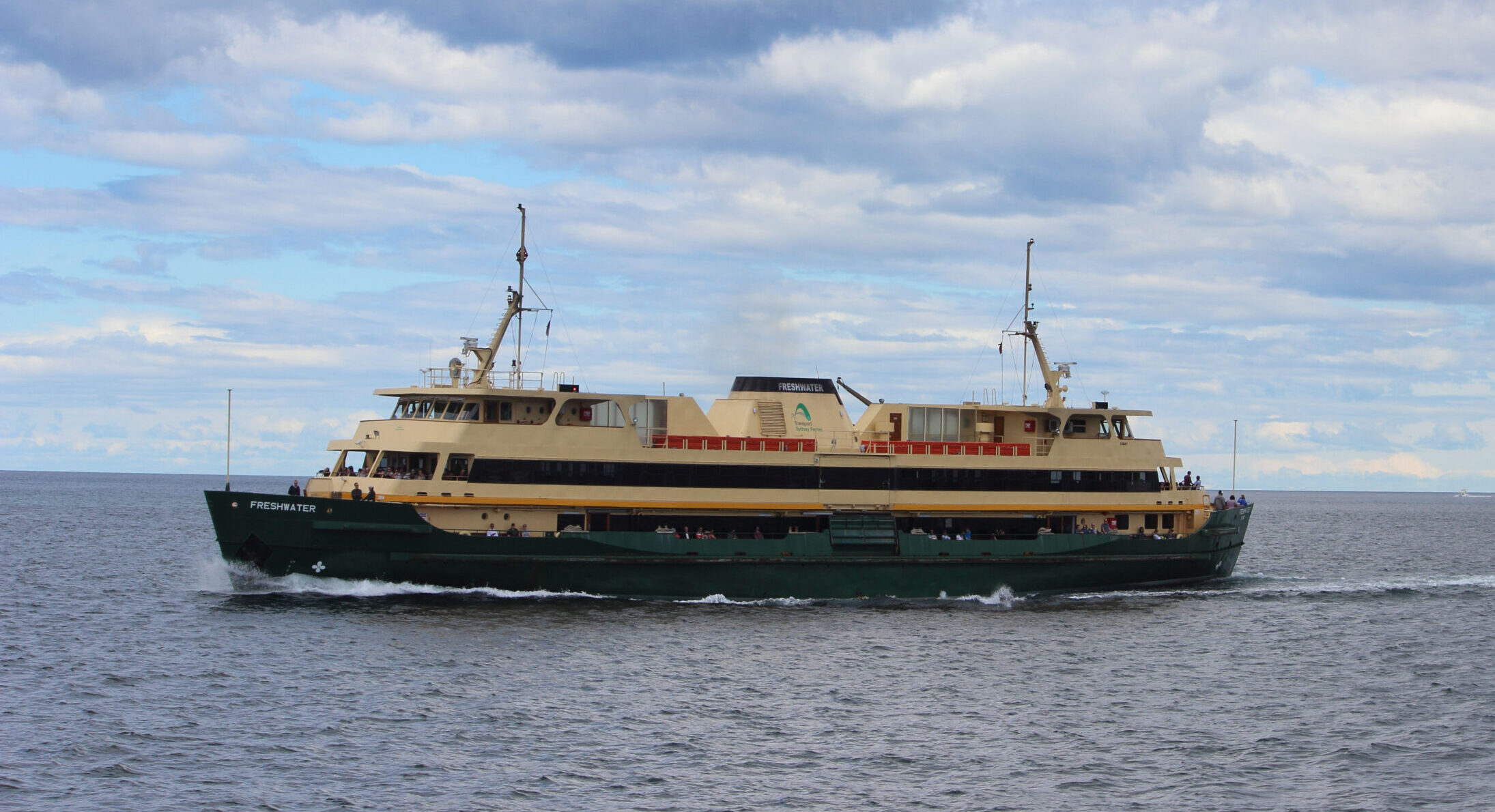
Lower transport costs to provide cost-of-living relief is coming to NSW households after the 2026-27 Budget’s release yesterday (Tuesday, June 23).
NSW Treasurer Daniel Mookhey says the budget’s $2.3 billion deficit has been sparked in part by surging fuel prices and global uncertainty.
“Despite this, support for households continues as does investment in essential services (like health and transport),” he says.
“The government has been able to provide this support because of the responsible decisions taken over the past three years to strengthen the state’s finances.”
Mookhey says they put the state’s finances in a much stronger position by reining in spending.
“This government brought expense growth down to 1.8% last year and will hold it to an average of 2.7% over the next four,” he says.
“The 2025-26 deficit came in at $3 billion, a $102m improvement on the 2025-26 half-yearly review, and around $400m better than forecast in last year’s Budget.”
He says the Budget should return to a $1.1 billion surplus in 2027-28 and continue with surpluses of $1.8bn and $1.9bn in the two years after that.
Click here for more on the public transport relief
HEALTH AND SAFETY SPENDING
“Health is the largest single commitment in this budget,” he says.
“A historic $10.3bn increase in health funding over four years, delivered with the (Commonwealth) will recruit 9000 more health workers and fund around 2900 more planned surgeries a year.”
The budget will allocate $11.9bn for health infrastructure over four years including funding 32 new and upgraded hospitals and 2500 more beds and treatment spaces.
Nurses and midwives are receiving pay increases of 16-28% under an extra $2.9bn for wages.
Government will spend $470.1m over 10 years to improve emergency responses by transferring the state’s rural firefighting fleet from councils to the rural fire service.
SCHOOLS AND TRAINING
Under the Budget:
$116.7bn will be spent on infrastructure over four years with more than $30bn in the new financial year or spending $82.7m a day).
$9.2bn will be spent on more than 260 new and upgraded schools, more than a quarter of them in regional areas.
$6.5bn will be spent over 10 years on new electric buses and electric depots to reduce a reliance on foreign fuel.
$3.4bn for skills including $233.2m to upgrade TAFE campuses.
$5.2bn to build water infrastructure for new housing across Western Sydney.
$3.5b in extra funding for transport infrastructure and roads in Western Sydney.
Click here to access the budget papers.
NEXT PAGE: SPENDING HIGHLIGHTS




