
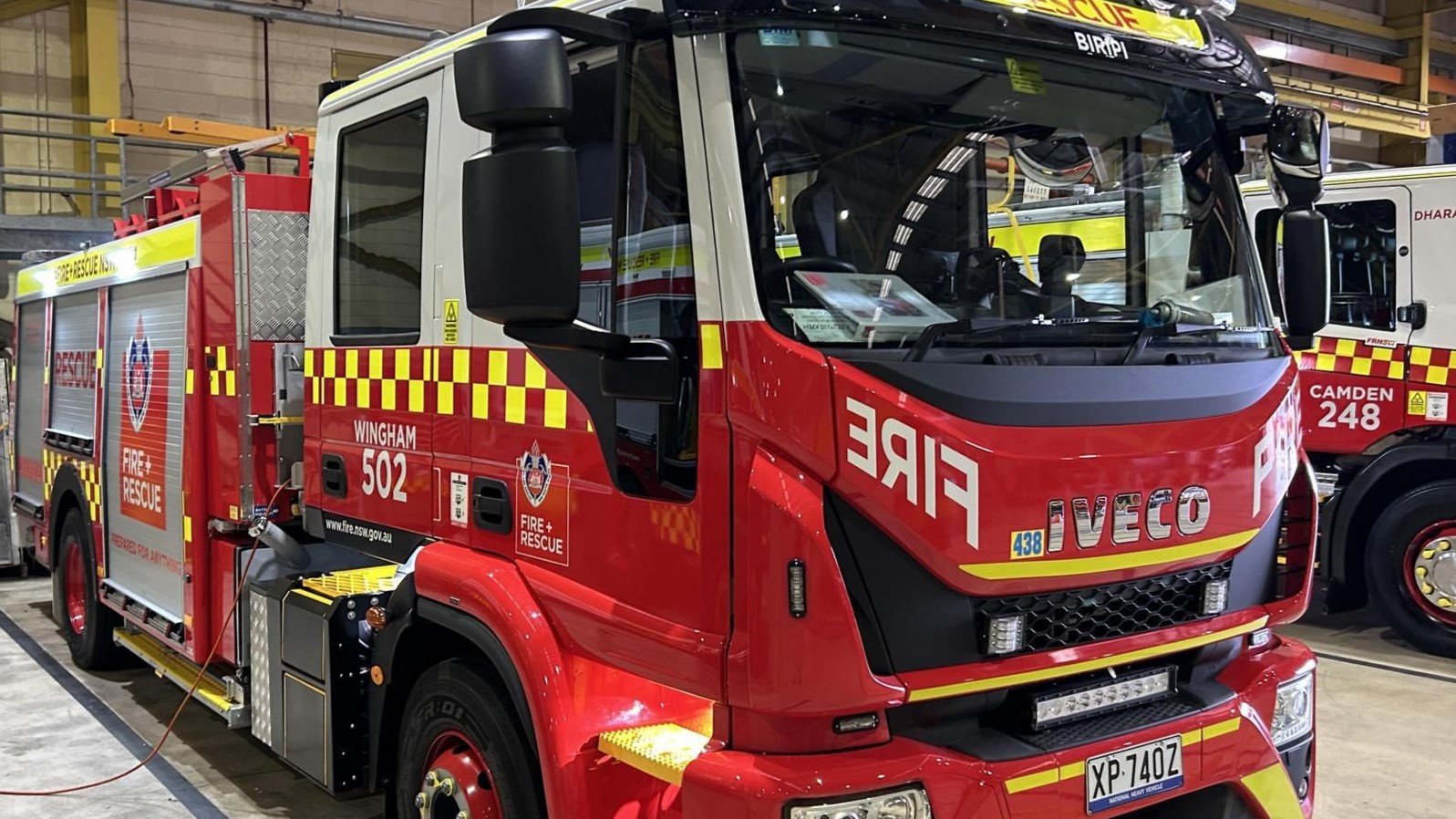
El Nino is turning up the heat for the new bushfire season in NSW as widespread efforts to prepare gather pace in the face of overseas duty.
More than 100 specialists from agencies, industry, academia and the public attended a recent roundtable to make preparations.
Among the organisations that attended were state agencies Rural Fire Service, Fire & Rescue, National Parks & Wildlife Service (NPWS), Forestry Corporation of NSW, Crown Lands and Department of Climate Change, Energy, Environment and Water.
The bushfire season in NSW officially starts on October 1 but it already arrived in some parts of the state, the government says.
The multiagency NSW Taskforce Fire Guard, led by the NSW Rural Fire Service, has been co-ordinating hazard reduction activities with land managers.
Since July 1, 2025, controlled burns have been carried out on more than 124,000 hectares of public and private land to protect more than 174,000 properties, up more than 20% on last year’s total.
EL NINO CONDITIONS HAVE ARRIVED
Since Taskforce Fire Guard started in April, controlled burns were carried out on more than 75,000 hectares up to July.
The government says El Nino conditions means is a strong chance of hotter conditions prevailing with some regions of NSW already in drought due to a drier autumn.
It says if these conditions persist, fires could increase through spring and into the 2026-27 bushfire season.
Bad weather and increasingly unpredictable fire seasons are reducing the windows available for burns; in the last five years, the average area treated with burns has been around 110,000 hectares.
OVERSEAS DEPLOYMENT: NSW has deployed firefighters and aircraft to help out in North America and Europe. The NSW RFS Larger Aerial Tanker (a Boeing 737) and crews are fighting fires in North America while two helicopters are fighting fires in Europe. The Idaho-based National Interagency Fire Centre says 241 Australian and NZ firefighters are fighting bushfires in the Pacific North-West and Great Basin areas.
Environment Minister Penny Sharpe says despite hazard reduction work done by the NPWS over the past year “we know the coming bushfire season will be challenging with hot and dry conditions”.
Emergency Services Minister Jihad Dib says they gathered all the agencies responsible for bushfire management to ensure NSW “makes the most of every opportunity to reduce bushfire risk” heading into summer.
“During spring, planned hazard reduction will continue to take place. I encourage all landowners to consider what actions they can take to prepare for bushfires,” he says.
Agriculture and Regional Minister NSW Tara Moriarty says the Forestry Corporation of NSW has around 500 trained firefighters in its workforce and has access to specialty forest machinery and heavy plant.
“Collaboration is occurring with agencies partnering on risk planning for hazard reduction burning priorities, contributing to inter-state and overseas deployments, and are delivering at all times a combined fire response,” she says.
RFS Commissioner Trent Curtin says the roundtable is about futureproofing NSW’s approach to preparation and mitigation with El Nino adding fuel to the threat.
“Following several years of above-average rainfall and significant vegetation growth, we need to continue to take every available opportunity to reduce bushfire risk.”
NORTH AMERICA UPDATE: In the US, as of August 18 (AEST), there were 92 new fires, including four large ones, and 80 more large fires being contained by 28,710 personnel and 9.39 million hectares burnt. Four aircraft air tankers have been deployed as have 240 soldiers. In Canada, there are 589 active fires, including 13 new ones today (AEST), with 104 out of control and 347 being monitored with 4.1m hectares burnt. Sources: National Interagency Fire Center (US), Canadian Interagency Forest Fire Centre.




