What changed
Queensland photo ID card replacement. Card holders can now apply for a replacement card in three situations: the information on the card is wrong; they know or reasonably suspect the card has been damaged, lost or stolen; or they believe someone without authority has seen or been given the confidential information on it. That information includes personal details, the customer and card numbers, and the holder’s digital photo and signature.
The chief executive must issue a replacement if the card is incorrect or its information has been compromised. They must also replace a damaged, lost or stolen card unless they suspect it wasn’t actually damaged, lost or stolen. In other cases, the original card has to be sent in with the application. The chief executive may waive the replacement fee if the card was stolen, if it was damaged or lost because someone other than the holder committed an indictable offence, or if the application is about compromised confidential information.
Passenger seatbelt fines
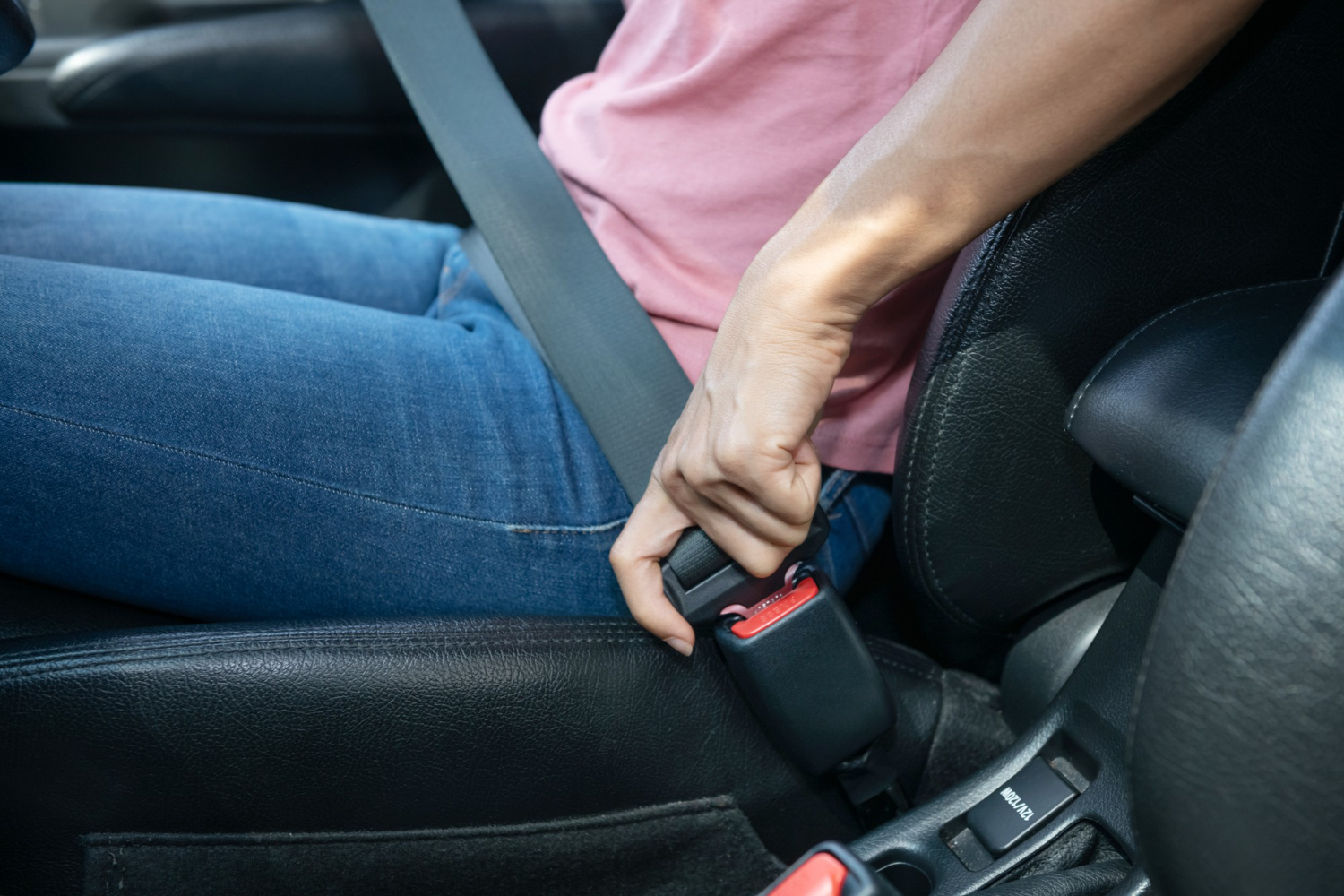
On seatbelts, the Act introduces a new “passenger seatbelt declaration”. A driver fined for a driver responsibility offence (broadly, carrying a passenger who isn’t wearing a seatbelt) will be able to name that passenger instead, as long as they believe the passenger was 16 or older at the time. Like the existing illegal user, known user, sold vehicle and unknown user declarations, it must be made within 28 days of the date of the infringement notice or summons. Passenger seatbelt offences are also excluded from the rule that treats a vehicle’s owner as the offender.
If a passenger’s seatbelt fine is posted, it can go to the address held for them in a register kept under Queensland’s road use laws, or to the address given in the driver’s declaration. The passenger can only be prosecuted once they have been served with a copy of that declaration.
Nobody pays twice for the same incident. If the passenger is penalised for not wearing a seatbelt, the driver can’t be penalised for the matching driver responsibility offence, and the reverse also applies.
Fines for 16- and 17-year-olds
The list of “prescribed transport offences” is also being expanded. These are offences for which 16- and 17-year-olds are dealt with under the State Penalties Enforcement Act 1999 in the same way as adults. The list will now include driving more than 40 km/h over the speed limit and two seatbelt rules (sections 264A and 265 of the Queensland Road Rules).
Rail safety approvals
Finally, a new provision in the Rail Safety National Law (Queensland) Act 2017 allows regulations to let the chief executive approve laboratories, saliva-testing devices and saliva-collection devices. The regulations can also let the chief executive publish approvals and revocations on the department’s website and keep a register of them.
Who is affected
The changes affect Queensland photo ID card holders, drivers and passengers (especially drivers fined over unrestrained passengers), and 16- and 17-year-olds fined for serious speeding or seatbelt offences. They also affect the rail safety sector, which relies on approved laboratories and saliva-testing equipment.
When it starts
The Queensland photo ID card replacement rules and the rail safety provision took effect when the Act received assent. The seatbelt changes and the expanded offence list for 16- and 17-year-olds will start on a date yet to be set by proclamation. The provisions that start on 1 December 2026 deal with drink- and drug-driving. They include new minimum fines and a new offence of driving over the alcohol limit with a relevant drug present. Those changes aren’t covered in this summary.
What it means in practice
If you believe your card details have been compromised, you can apply for a new card, and the fee may be waived, although that is at the chief executive’s discretion. Once the seatbelt changes start, a driver fined over an unbelted adult passenger will be able to transfer the fine to that passenger, who may then receive the notice by post. Only one of them can be punished for the same incident. Sixteen- and 17-year-olds fined for serious speeding or seatbelt offences will be dealt with in the same way as adults. For rail, the change lets future regulations set up approvals for drug-testing laboratories and equipment; it doesn’t create an approval scheme on its own.
Related: Queensland’s ‘Breach Bail, Go to Jail’ bill passes its final reading
General information only, not legal advice. Check the official source before acting.
Source: Queensland Legislation. Licence: CC BY 4.0.