
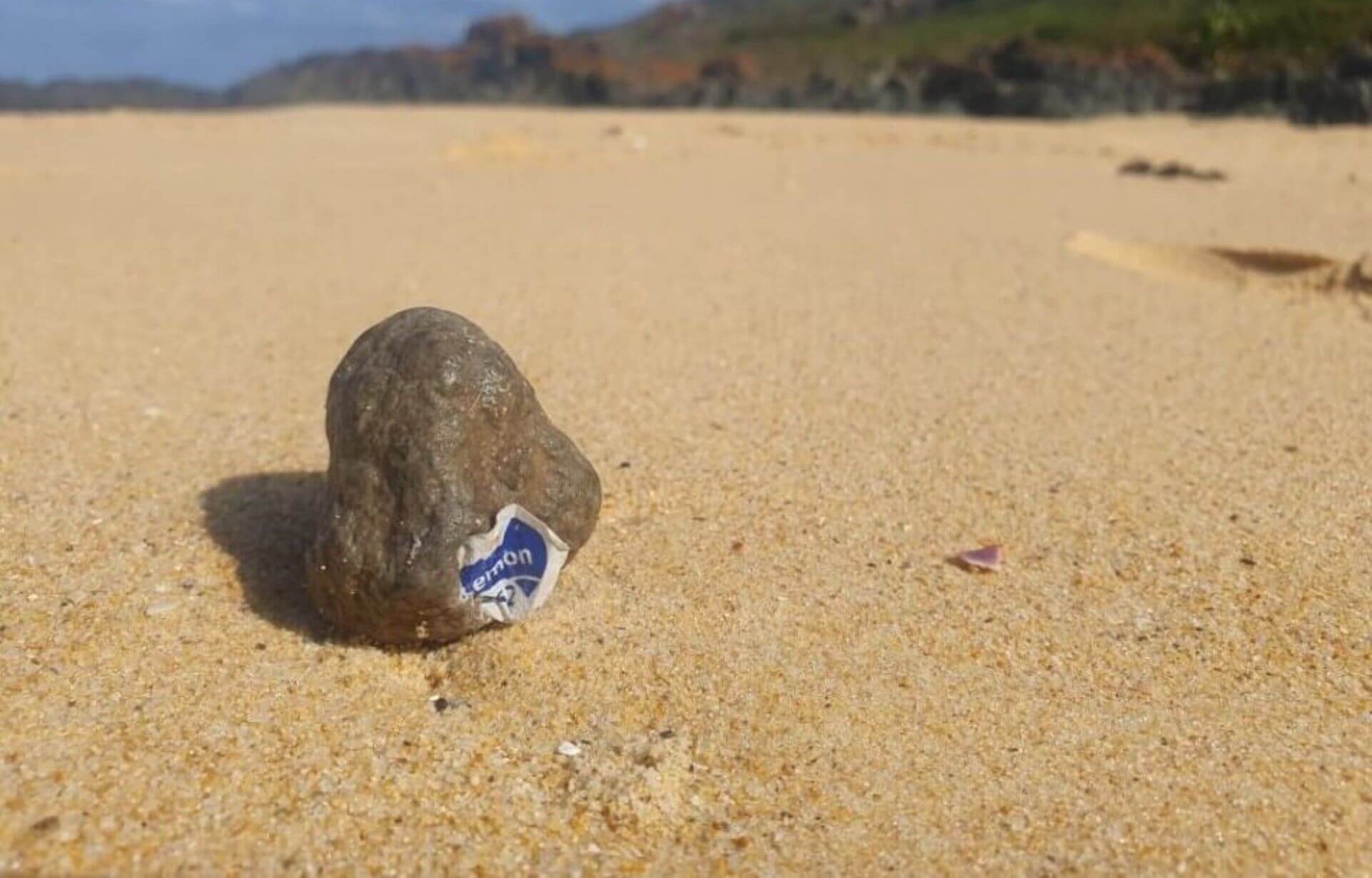
Debris ball pollution on NSW beaches will no longer be a sight if a $3 billion plan to upgrade the Malabar wastewater treatment plant in Sydney works.
The NSW Government has announced a 10-year $3 billion plan for the Malabar plant to reduce its wastewater discharge into the sea.
The plant was identified as the likely source of debris balls that washed up on beaches across Sydney, the South Coast and Central Coast in late 2024 and early 2025.
The plant serves almost two million people living between Fairfield, Campbelltown and Liverpool in the west to Malabar in the east; this makes it one of the largest wastewater systems in the country, the government says.
Staged upgrades over the next decade will allow the plant to support population growth in Sydney’s south west and reduce the chances of more debris balls.
NSW Water Minister Rose Jackson says “no one wants to see debris balls washing up on our beautiful beaches again”.
“The truth is our wastewater system needs
an upgrade to keep pace with the population.
“For too long, a lack of investment in essential infrastructure in Western Sydney has been a handbrake on our housing goals,” she says.
“We can’t undo that overnight but we’re getting on with the job of clearing this backlog.”
She says staging the upgrades will ensure major investments are funded and Sydney Water users don’t face sudden bill shock.
For the first stage of the project, Sydney Water will team up with the Malabar System Alliance (Acciona Construction, Acciona Agua, SMEC) to deliver major upgrades to the Glenfield and Liverpool Water Resource Recovery Facilities (WRRFs) with the Fairfield WRRF at a later stage.
Sydney Water CEO Darren Cleary says appointing the alliance is a significant step towards improving the performance and reducing strain on the ageing coastal plant.
“We understand the seriousness of recent debris ball incidents and the need to ensure our network is equipped for Sydney’s growing population,” he says.
Work will include refurbishing and expanding primary treatment processes and a new secondary treatment process at Liverpool WRRF; on-site works will start in coming months, the government says.
NO MORE DEBRIS BALLS
In the short-term, Sydney Water continues to work with the NSW Environment Protection Authority (EPA) and the independent Wastewater Expert Panel on limiting further debris balls incidents.
Sydney Water increased cleaning and inspection of ocean outfall screens, tightened trade-waste controls for high-risk customers and expanded a fats, oils and grease education campaign to reduce such material entering the plumbing system.
RELATED NEWS: Investigations narrows to Sydney Water plants