
Koalas thought to have wiped out by the 2019-20 bushfires are back ‘from the grave’ in northern NSW.
And the discovery of their return in the Minyumai Indigenous Protected Area (IPA), south of Evans Head, have delighted custodians and conservationists.
In 2019-20, bushfires burnt through 90% of the Minyumai IPA, according to World Wildlife Fund-Australia, which prompted fears from indigenous rangers that the koalas (‘boorubee’ in their language) were gone.
It was an absence that the traditional custodians, the Bandjalang people, had felt deeply.
“My great grandfather was a revered elder who knew many of the old stories handed down. One story was that boorubee were never to be hunted but protected,” says Bandjalang elder Auntie Bonnie Wilson.
In 2019 after Pacific Highway upgrades and the fire, the boorubee went missing, not seen for a year.
KOALAS CAUGHT ON CAMERA
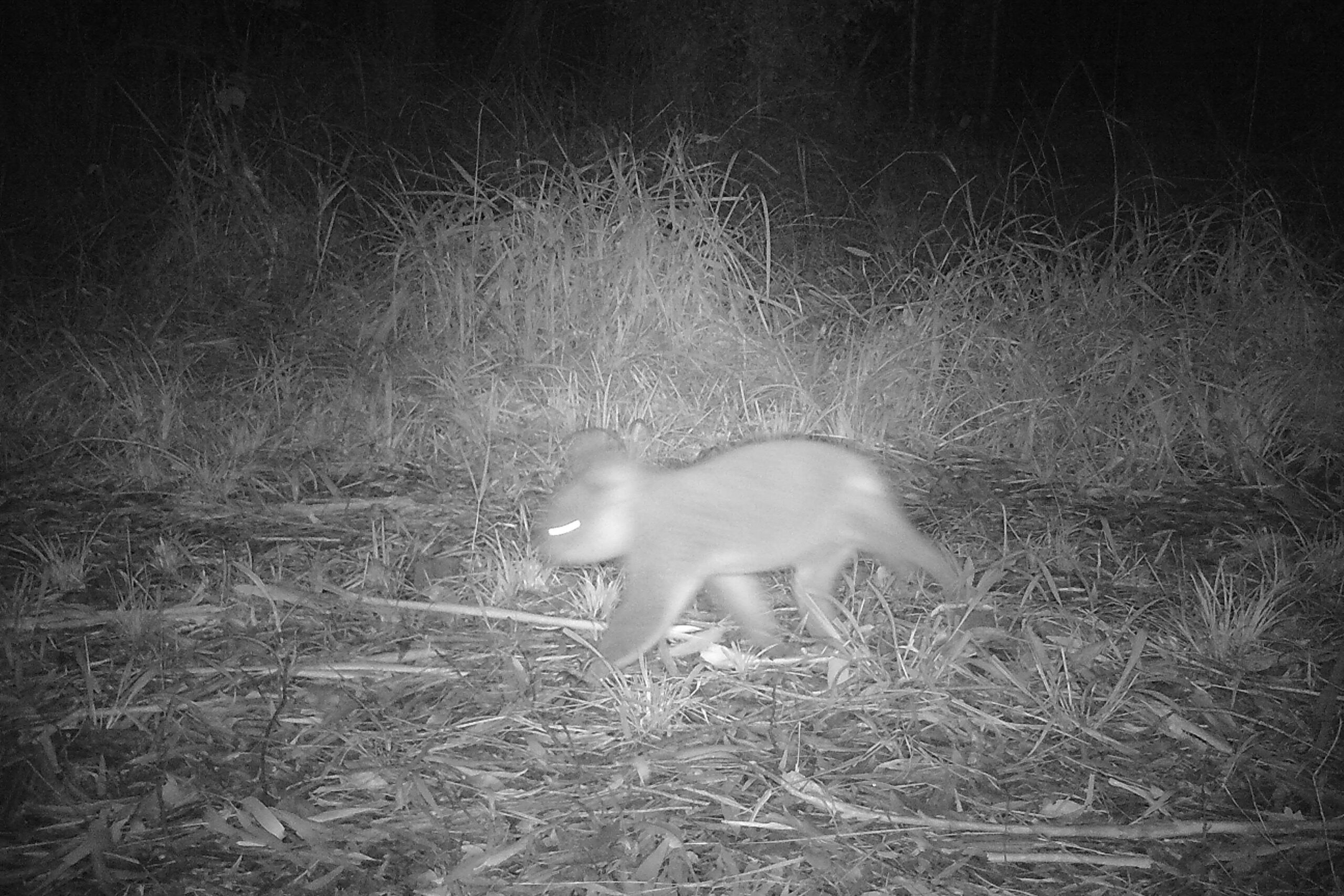
Then in June 2023 the wildlife cameras that rangers set up to look for boorubee photographed an individual they dubbed “Rubee”.
“We were going through the photos then we came across the koala and we were freaking out. We had no idea they were here,” senior Minyumai ranger Maitland Wilson says.
“We were just so stoked. I knew then and there that I wanted to protect them. I wanted them back on Country, to conserve them and give them the feed and habitat trees they needed,” she says.
Their ‘return’ proved a huge boost for the Boorubee Monitoring & Recovery Project, led by Minyumai’s women rangers; the project is being supported by the fund with funding from furniture company Koala.
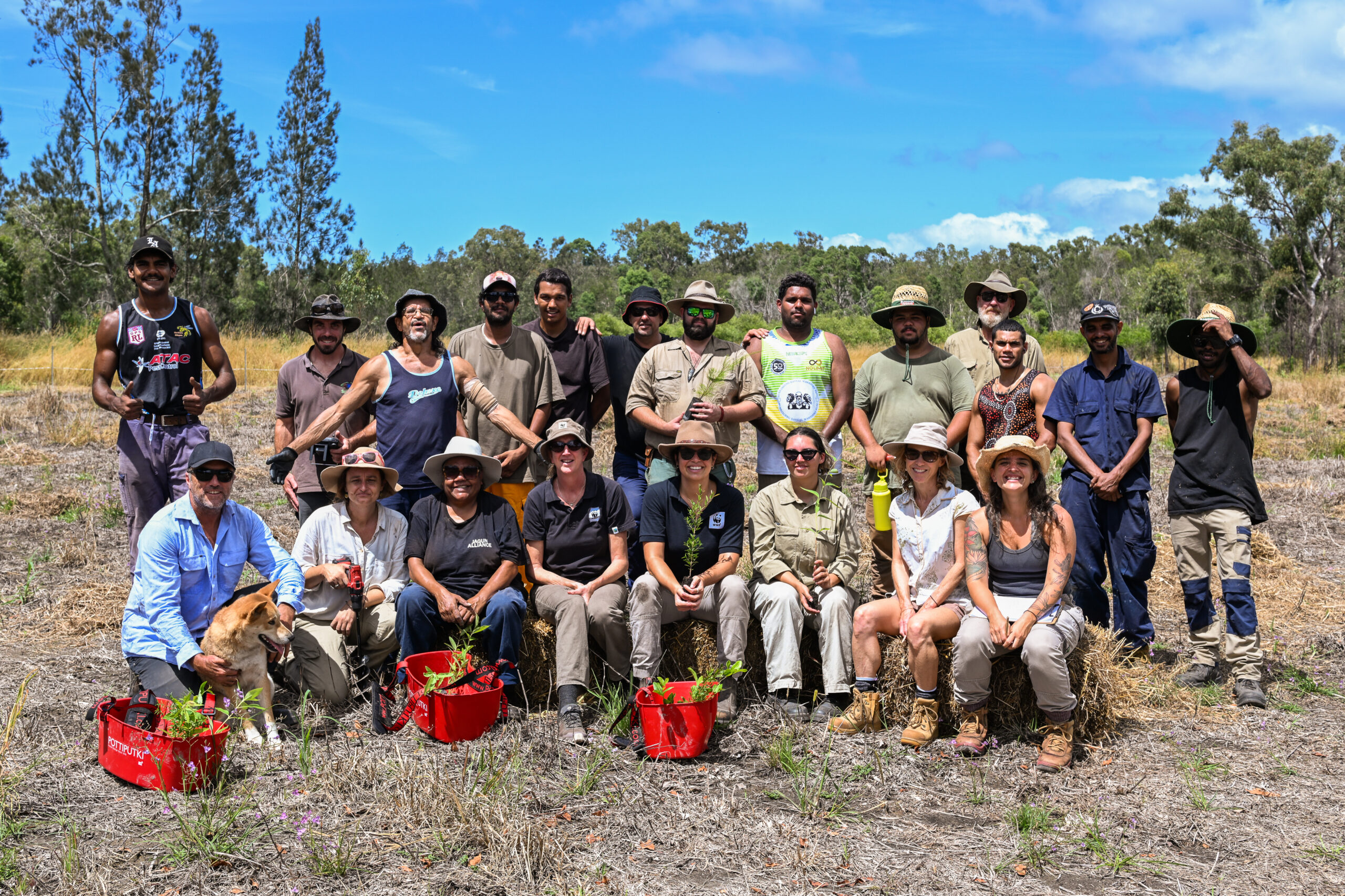
So far the rangers planted 2500 koala food and shelter trees, mapped existing koala habitat, cleared lantana to help boorubee climb trees, carried out cultural burns to reduce fuel loads and allow wildlife to travel more freely.
“It feels really good doing cultural burning on our property. Having that connection to Country and doing it the way our ancestors did it,” says ranger supervisor Harry Wilson.
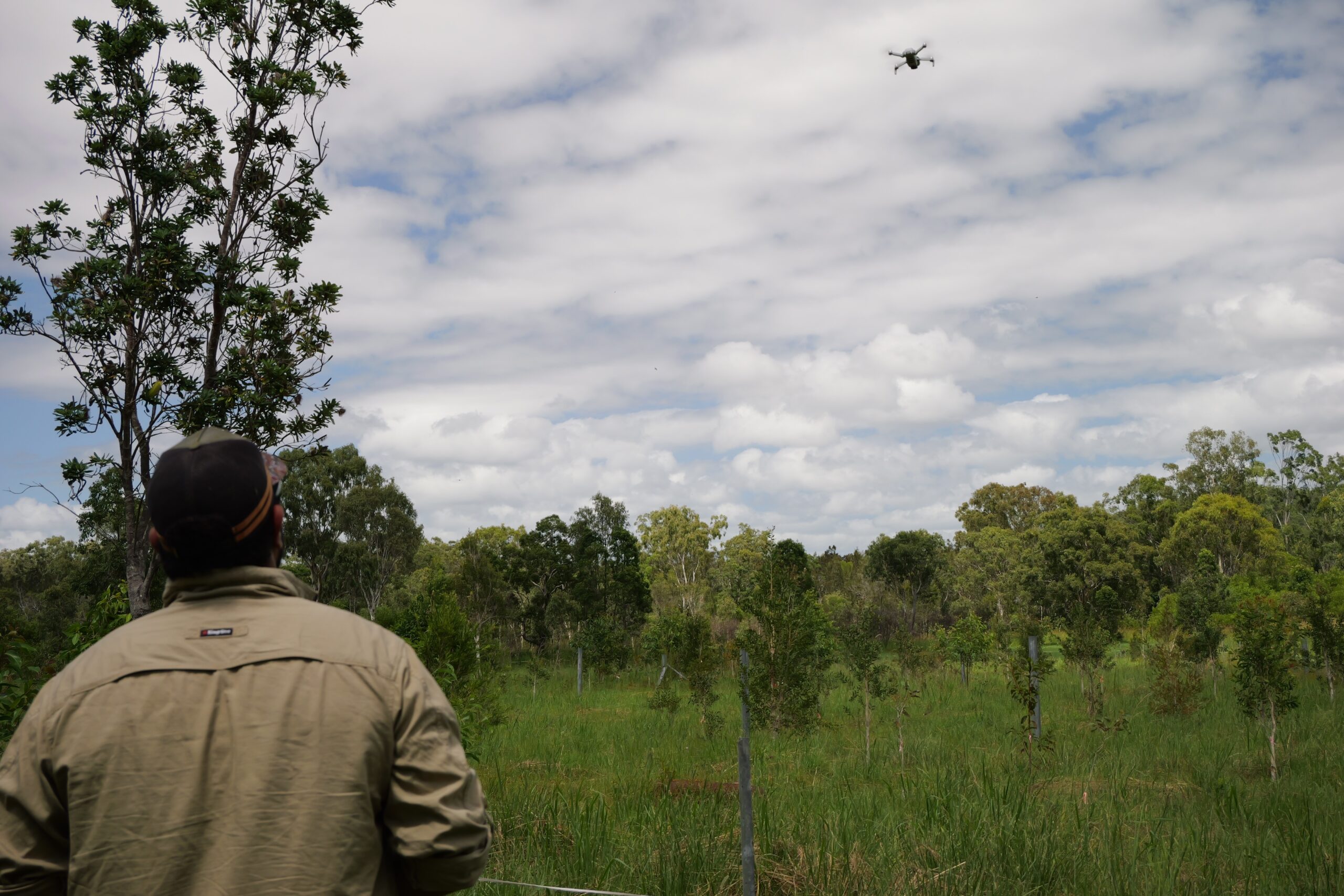
A major turning point came when thermal drone surveys were commissioned.
Night flights located six boorubee in 2024 and nine in 2025; at first light, rangers went to these locations to collect koala scats and send them off for analysis.
Those tests revealed the Minyumai koalas are chlamydia-free compared to a nearly 80% infection rate for other northern NSW populations.
“That makes me feel warm-hearted and positive about the next generation of koalas living on Minyumai. It’s amazing,” says Wilson.
Simone Barker, a Bandjalang language teacher and cultural advisor, says: “Boorubee are important to all Aboriginal people. Minyumai is a sanctuary for them. It’s a place where we can keep them protected from roads, from people, from dogs.
“Hopefully they’ll thrive here. That’s what we want,” she said.
RESTORING KOALAS
WWF’s Senior Manager of Koala Recovery, Tanya Pritchard, has been working with the Minyumai team.
“Supporting Indigenous-led restoration is critical if we are to pull koalas back from the brink of extinction,” she says.
“The Minyumai rangers are combining traditional knowledge and methods such as cultural burning with technology such as drone surveys and scat analysis.
“This innovative and holistic approach will help recover koala populations,” Ms Pritchard said.
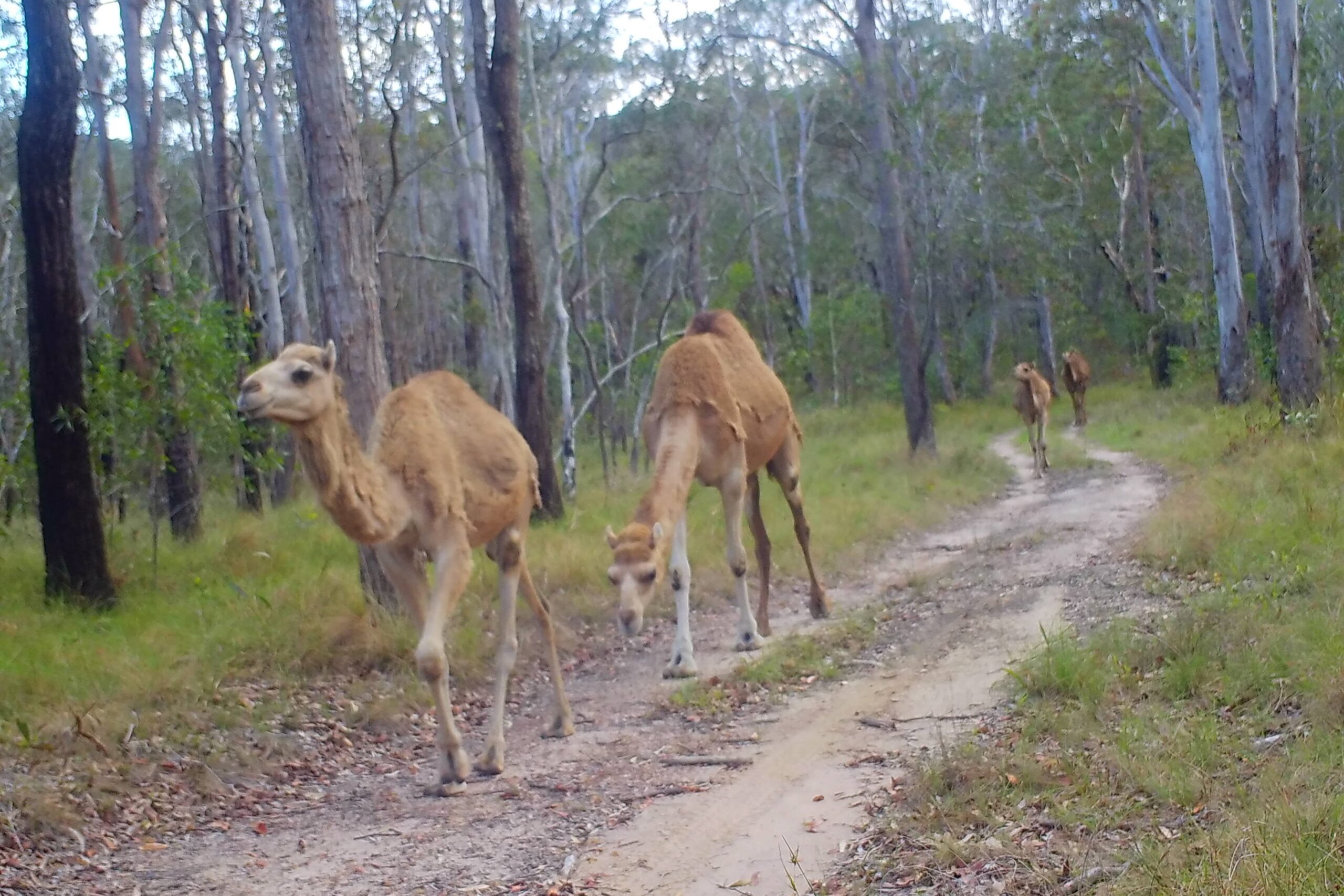
While rangers jumped for joy seeing a boorubee on their trail cameras, another image had them doing a double take – a herd of camels.
Investigations revealed they had escaped from a nearby property, the WWF says.
EARLIER KOALA NEWS: Still not out of the woods, says survey




