“With just 117 first-person drones, Ukraine was able to damage or destroy a third of Russia’s strategic cruise missile carriers, causing an estimated A$10 billion in damage,” he says.
“Each of the drones was worth under A$1440.”
Last June, Ukraine smuggled truckloads of explosive-lade first-person-view (FPV) drones into Russia which destroyed 40 military aircraft on the tarmac of their bases.
“Australia has previously been able to rely on geographic distance for our security. As we have seen, advancements in technologies have made it so that our vast oceans now sometimes offer little more protection than narrow creeks,” Adm Johnson told the conference.
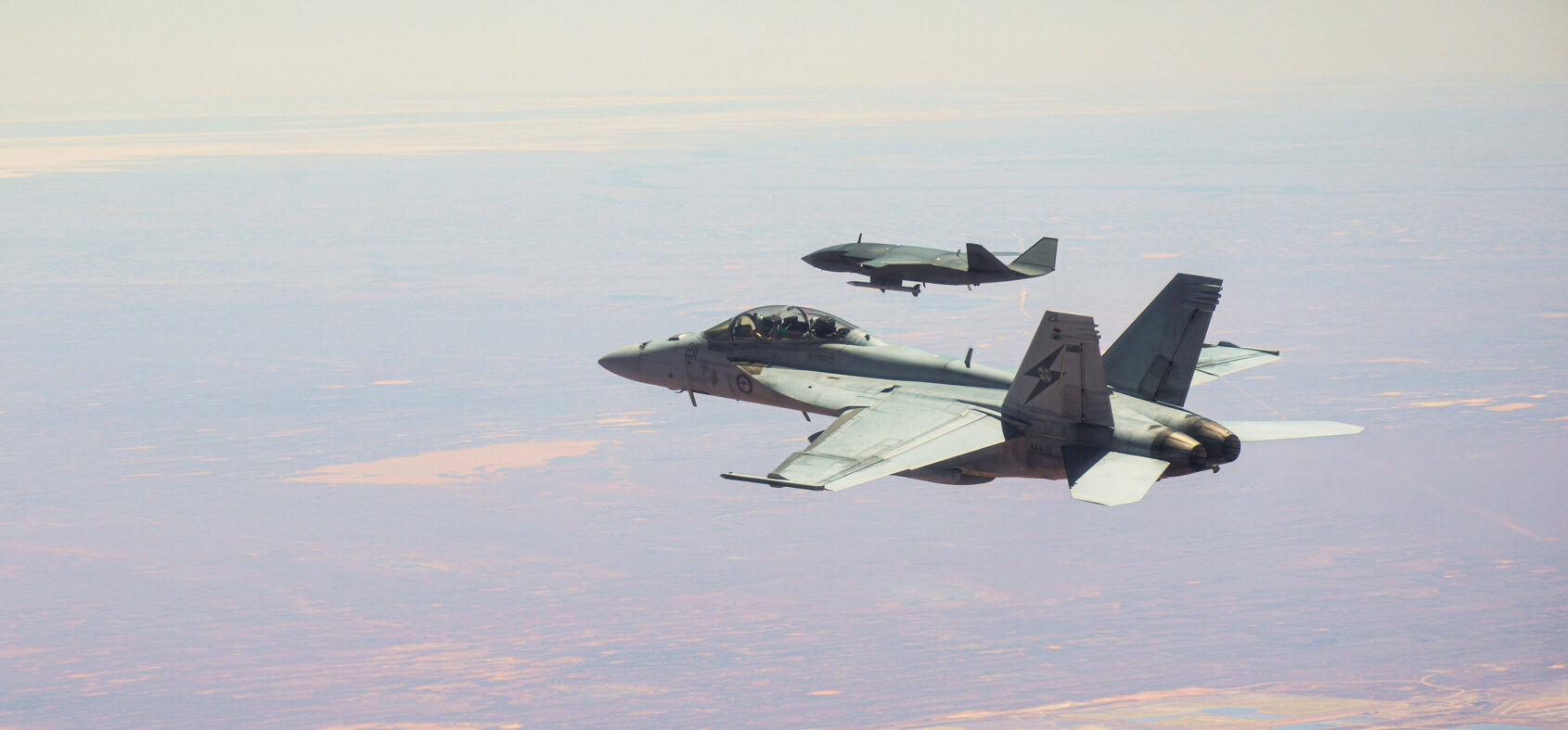
“The growing reach and lethality of long-range strike and autonomous/uncrewed systems means a potential adversary no longer needs to be near our shores to pose a serious threat.”
He says Australia’s trade routes, infrastructure and military assets can all be targeted from afar and that is not accounting for online and space attacks where there are no geographical limits.
“Australia’s identity as a maritime nation is our strategic reality. Our national security and economic strength are tied to the waters that surround us,” he says.
“Ninety-nine percent of our international exports by volume are by sea, 99% of our internet traffic passes through sea cables. These are not just trade routes, they are lifelines.
“As such, the stability and security of the Indo-Pacific region are of critical importance to Australia’s national security.”
TRITONS IN THE TOP END
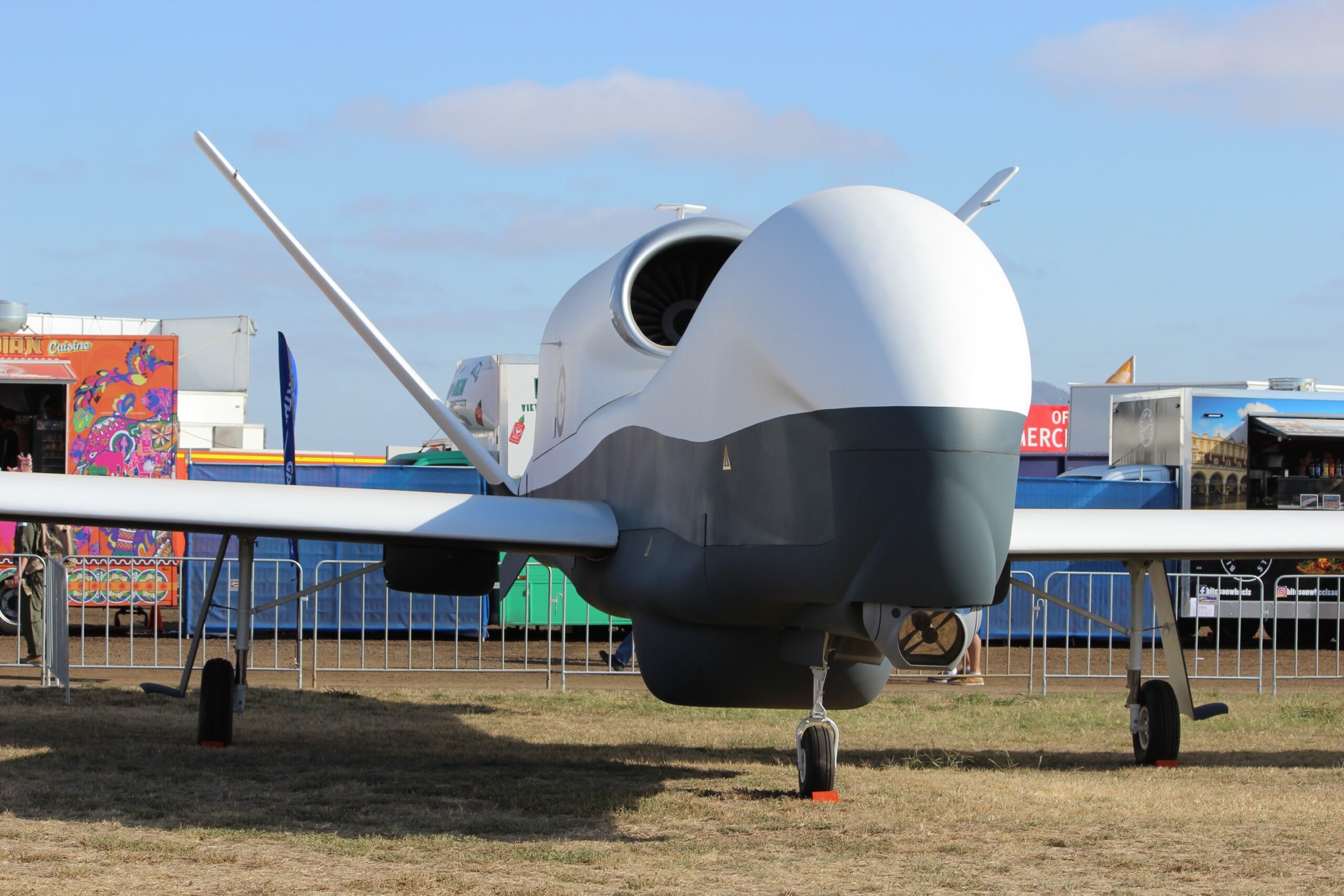
Khalil recently opened a new $355.7 million facility for the remotely-piloted Triton surveillance aircraft at RAAF Base Tindal (Northern Territory).
The uncrewed aircraft will fly out of the Top End operated by pilots in South Australia and can fly higher for longer.
The new facilities include a hangar, accommodation, an upgraded airfield and infrastructure; over $166m in contracts for the Triton project went to Territory businesses, the government says.
Khalil says the new facilities will allow the ADF to monitor our maritime borders as well as work with the US.