Travellers should not rush into cancelling flights without consultation after US and Israeli forces attacked Iran over the weekend.
That was the message from Australian Travel Industry Association chief executive officer after news of strikes on cites, bases and airports across the Arabian Gulf and including Israel.
“The situation across the Middle East is evolving rapidly and is already disrupting international flight operations for Australians travelling via major hubs including Dubai, Abu Dhabi and Doha,” he says.
“Our message to travellers is simple: do not cancel arrangements without first seeking professional advice and please, unless you are travelling in the next 48 hours and have not been contacted, hold off contacting your travel agent right now to allow them to support those currently caught up in, and who are stranded, delayed and dealing with cancellations.”
Dubai and Abu Dhabi airports have reportedly been attacked by missiles and drones overnight
HELP FOR TRAVELLERS
Long says experienced professionals are best placed to provide up-to-date guidance for each traveller.
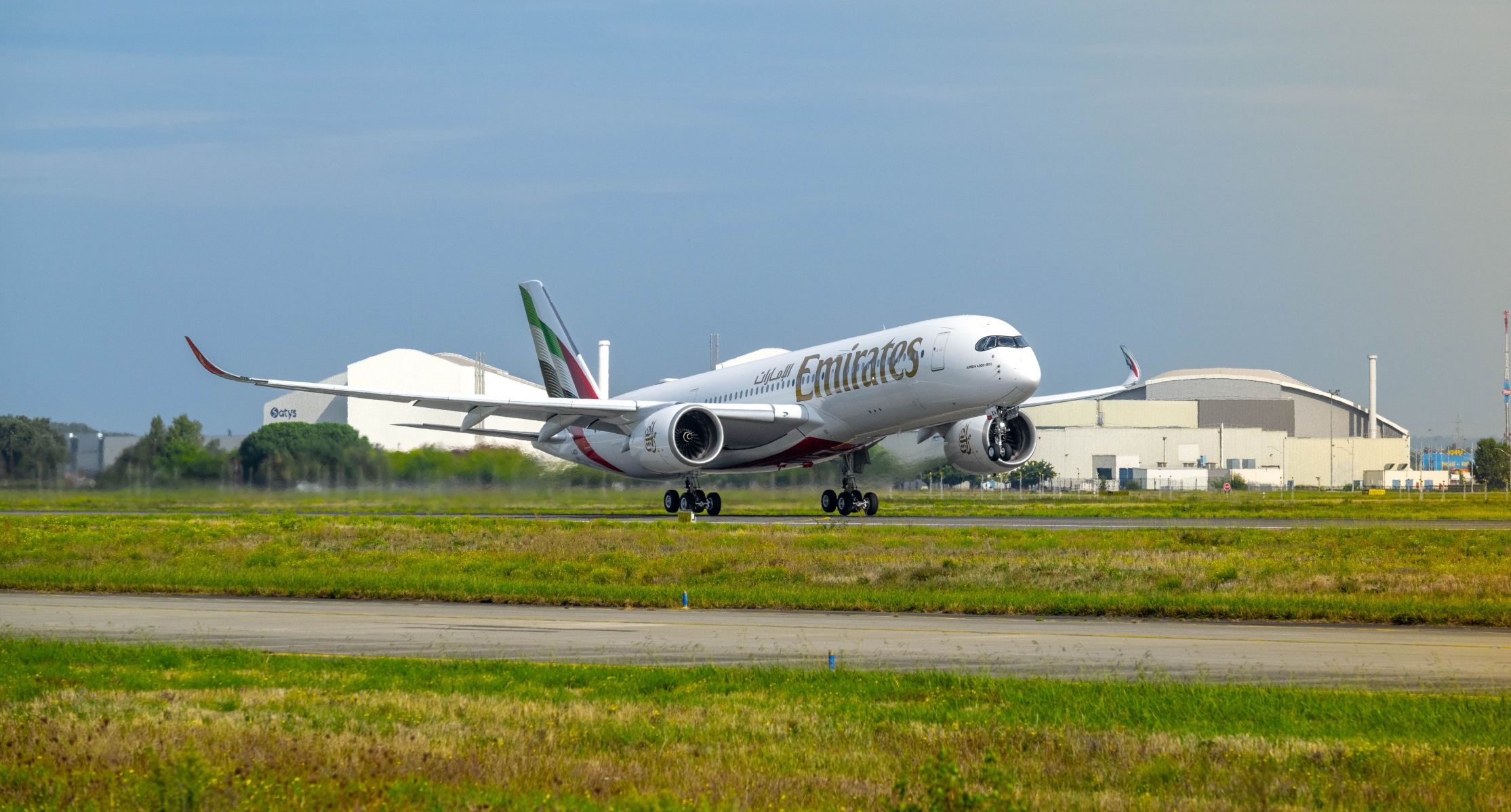
“Emirates, Etihad Airways and Qatar Airways are the most directly impacted at this stage but European and other international carriers routing through Gulf airspace are also experiencing delays and rerouting,” Long says.
“The impact is broader than many travellers may expect.”
Long says they “strongly encourage” travellers to check DFAT’s Middle East conflict page and speak with their insurer over any concerns: the federal government’s Smartraveller website has updated its travel advice; click here to go to the federal government’s travel advisory website.
Airspace closures over Qatar, Iran, Israel and Russia significantly narrowed flight corridors into Europe with delays and route diversions common, the ATIA says.
Social media posts shows Australian and New Zealand flights turning back hours into their long-haul flights with some diverted to alternate points of departure; by one account, up to 26 Emirates, Qatar and Etihad aircraft are now on the ground in Australia.
The Australian Travel Industry Association is the peak body representing Australia’s $69 billion travel industry. The association represents most Australian travel agents, corporate agents, tour operators, wholesalers and ITOs.
IN A NUTSHELL
Media reports say up to 115,000 Australians are stranded in the region after Emirates, Etihad and Qatar all suspended commercial operations.
The death toll from a school that was bombed in southern Iran has risen to 165, reports say.
Iran’s leader, Ayatollah Ali Khamenei, was confirmed killed in the attacks by multiple non-US sources; his death prompted both mourning and celebration. Click here for that story.
Marine shipping is reported to be avoiding the Strait of Hormuz after Houthi rebels in Yemen vowed to attack shipping again; container shipping company Maersk has suspended services through the strait and Suez Canal. Click here for more details.
GOVT SPELLS OUT HELP
The federal government has upgraded its travel advice for Israel, Lebanon, Bahrain, Kuwait, Qatar and United Arab Emirates to ‘Do Not Travel’ status.
At a press conference in Sydney on Sunday, PM Anthony Albanese said the Department of Foreign Affairs and Trade is now running a registration portal for citizens wanting help to leave Israel and Iran.
“We’ve already seen flights returned to Australia that were unable to land in either Dubai or Abu Dhabi,” he said.
“Travellers should prioritise their safety. They should monitor events and follow local advice.”
He said those needing urgent consular help can contact a consular emergency centre 24-7 on 1300 555 135 in Australia or +61 2 6261 3305 from outside Australia.
Foreign Affairs Minister Penny Wong says there may be land and border restrictions that will further restrict the movement of citizens in the region.
EARLIER IRAN STORY: IAEA on damage to Iranian nuclear plants