
Robot boats, new frigates and a polar aerial drone are among the New Zealand Government’s major spending projects for its navy.
And the Kiwis are talking to Australia to ensure their fleets can work together.
The NZ government is spending on robot boats, ship maintenance and replacing its ageing fleet to bolster maritime capability, Defence Minister Chris Penk says.
“New Zealand’s prosperity and security depend on the sea.
“For many years, New Zealand’s geographic distance has been seen as a shield from instability elsewhere in the world,” he says.
“However, recent events have served as a reminder of how quickly disruptions to international shipping routes can affect economies and supply chains across the globe.
“The oceans are not a barrier to danger but a vital national interest that must be actively secured.”
NZ’s Budget allows for an extra NZ$1.58 billion (A$1.30bn) to be spent on new capital and operational funding for activities and priority projects focused on maritime security.
ROBOT EYES AND EARS
Penk says the navy is due to receive two types of robot drones: unmanned surface vessels to operate on long-distance reconnaissance and aerial drones that can fly over the South Pole from naval ships.
The NZ navy currently operates two Sydney-made robot vessels that are powered by solar, wind and wave motion that can operate at sea continuously for three months with stealth capability.
“The budget will also allow for critical maintenance on the Anzac-class frigates and HMNZS Canterbury, to extend the life of the existing ships until they are replaced,” he says; NZ$215m (A$177m) will be spent on that work over four years.
“Most ships in the current fleet are expected to reach the end of their design life by the mid-2030s including the Anzac frigates,” Penk says.
“Without replacement, this would have a significant impact on New Zealand’s ability to protect its maritime interests in the Pacific and beyond.”
(New Zealand two Anzac frigates, the Te Kaha and Te Mana, were commissioned in 1997 and 1999 respectively; they are due to be replaced between 2029 and 2039.)
Penk says their future fleet needs to be versatile with its roles expected to cover combat, patrol/security, sealift, hydrography/diving, helping other government agencies (like Fisheries) and disaster response operations.
AUSTRALIAN INTEROPERABILTY
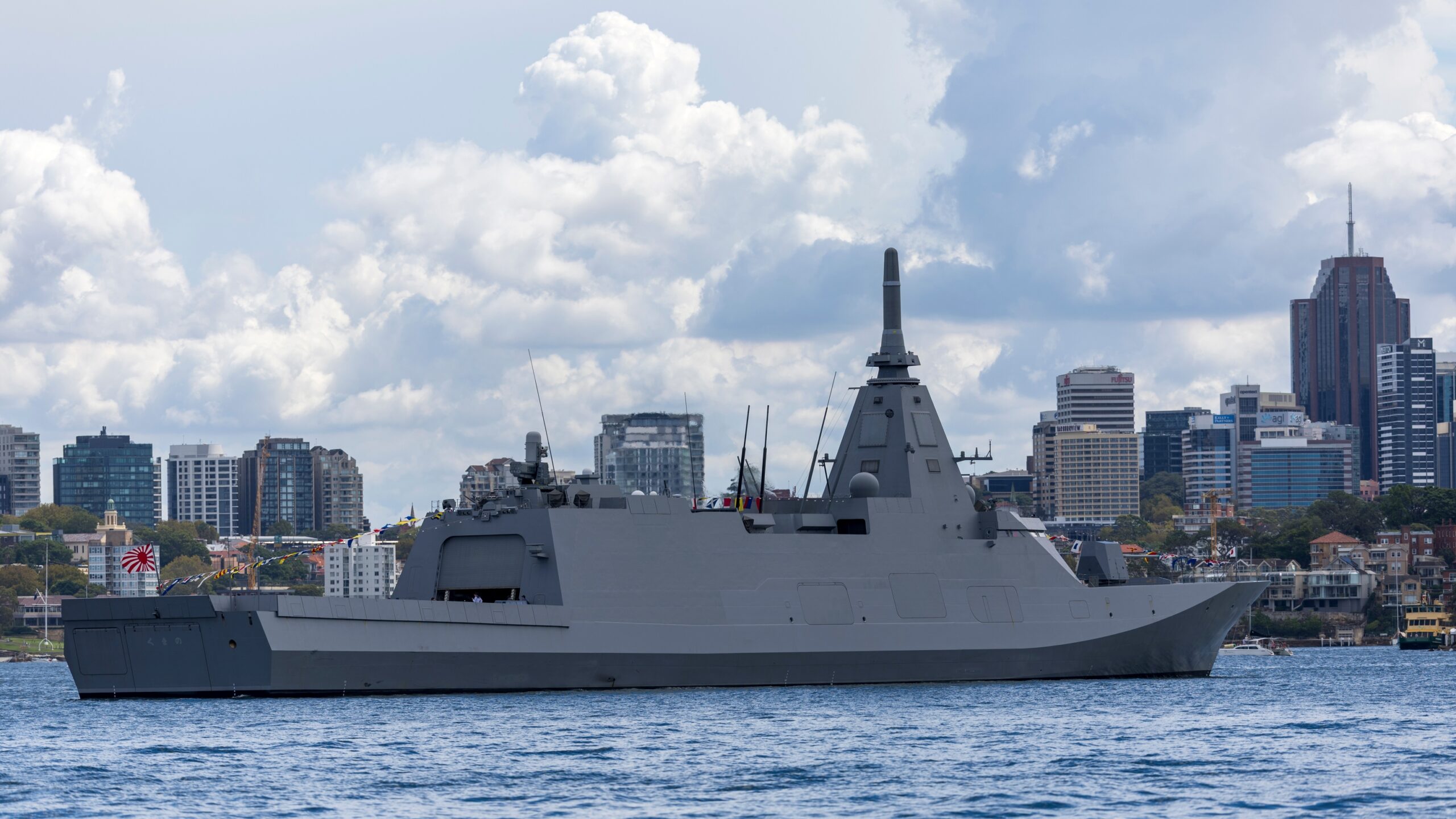
Wellington is also eyeing a new Japanese Mogami frigate, of which Australia is due to buy 11, and is in talks with Japan and Australia.
Penk says they are talking to Australia and the United Kingdom about a possible successor to their frigates, saying interoperability is a consideration.
“Our decision to prioritise discussions with our partners … reflects our need to be interoperable and leverage efficiencies,” he says.
“Further, we are looking at mature combat capable vessel programs which are at a stage that allows adequate analysis against New Zealand requirements.
“A final decision has not yet been made, and advice is expected to be provided to Cabinet before the end of 2027.”
The minister says other major projects will include new training facilities and Defence housing.
The NZ Budget will include $16 million on ‘connecting’ industry to Defence projects.
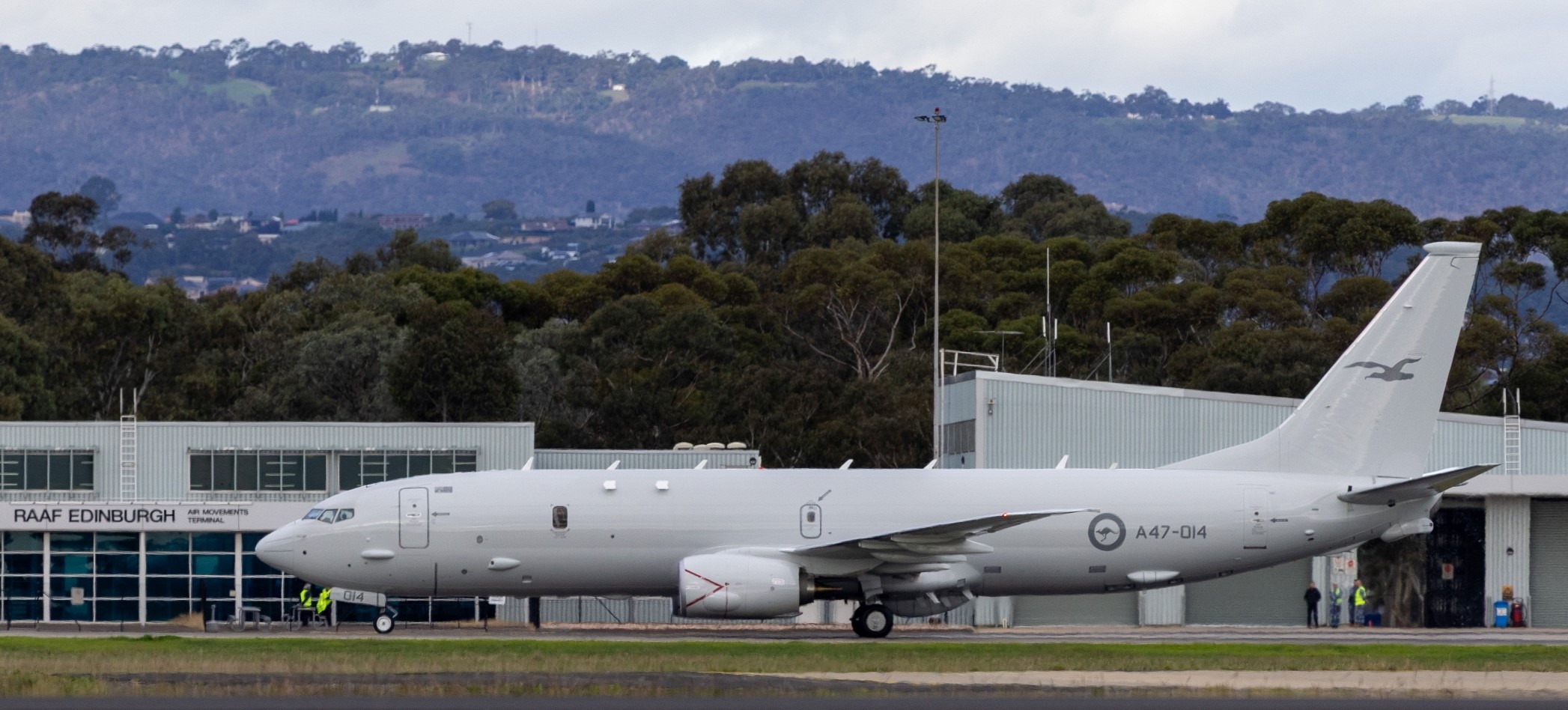
The Royal NZ Air Force is to send its four-aircraft Boeing P-8 Poseidon maritime patrol and anti-submarine aircraft fleet to RAAF Base Edinburgh in South Australia for major maintenance.
The base is also home to the RAAF’s Poseidon fleet and just took delivery of its 14th and final aircraft.
OTHER NAVAL NEWS: Japan seals $10bn RAN deal




